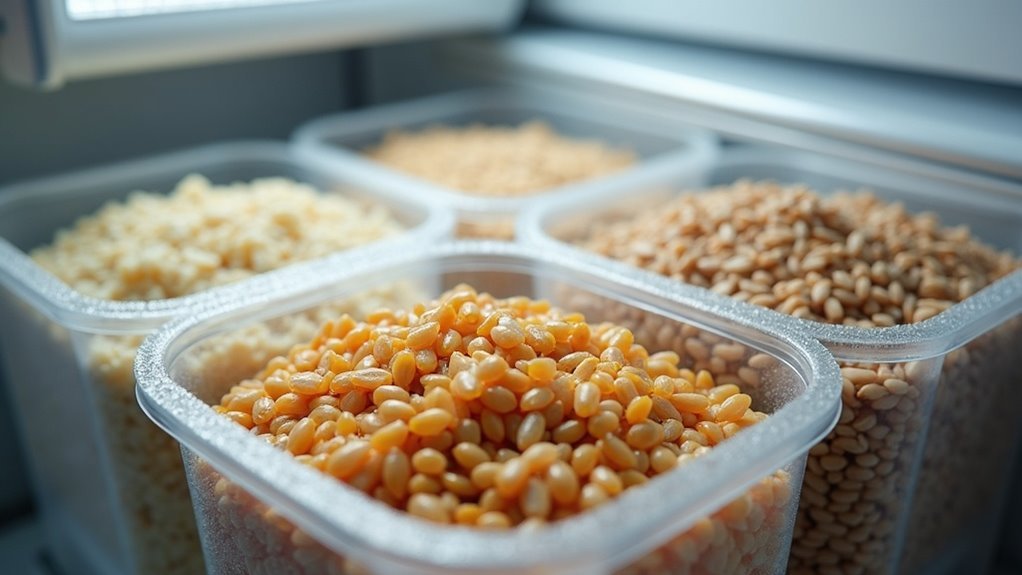
Freezing grains is a crucial strategy for survivalists and preppers looking to extend their shelf life effectively. By freezing at 0°F (-18°C) for at least 48 hours, you can eliminate pests and preserve the nutritional quality of your food supply. This method slows oxidation, maintaining flavor and freshness for up to a year, which is essential for long-term food storage. Using airtight containers not only protects against moisture and freezer burn but also ensures that your grains remain viable for emergencies. To guarantee peak quality in your stockpile, regular checks for spoilage are vital. If you want to deepen your understanding of proper freezing techniques and storage methods, continue to explore resources tailored to prepping and survivalism.
Key Takeaways
- Freezing grains at 0°F for 48 hours is an effective strategy to eliminate pests like weevil eggs, thereby significantly extending their shelf life—an essential practice for any survivalist or prepper looking to stockpile food supplies.
- When frozen, grains can last up to a year, which is a substantial improvement over just a few months of shelf life at room temperature, making it a vital method for long-term food storage.
- To maximize your food storage efforts, use properly sealed airtight containers to prevent moisture and oxidation, ensuring that the flavor and nutritional value of your grains are preserved for when you need them most.
- Conduct regular quality checks to spot signs of rancidity or spoilage, as this will help you maintain a fresh and reliable food supply for your emergency preparedness plans.
- Implementing freezing as part of your food preservation strategy is a cost-effective way to enhance your preparedness and minimize waste, ensuring that you’re ready for any situation that may arise.
The Science Behind Freezing Grains
When you freeze grains, you’re not just extending their shelf life; you’re employing a crucial technique for survival preparedness that preserves their quality.
Freezing grains at 0°F (-18°C) for at least 48 hours effectively eliminates weevil eggs, preventing infestations that could jeopardize your food supply. This method significantly slows down oxidation, ensuring that the nutritional value and flavor of the grains are maintained over time—essential for a well-stocked pantry.
Whole grains can remain viable in the freezer for up to a year, while their shelf life at room temperature is limited to just a few months.
To maximize their longevity, store your grains in properly sealed airtight containers to protect them from moisture and freezer burn—key factors in maintaining a sustainable food reserve for emergencies.
Benefits of Freezing for Shelf Life Extension
Freezing grains is a vital strategy for survivalists and preppers looking to extend their shelf life and ensure a reliable food supply. By freezing grains for at least 48 hours at 0°F (-18°C), you can effectively eliminate weevil eggs and other pests, which is crucial for maintaining a long-term food storage plan.
Properly frozen grains can last up to a year, significantly outlasting the few months they typically remain viable at room temperature.
Moreover, the freezing process slows down fat oxidation, preserving both flavor and nutritional value, which is essential when you may need to rely on stored food.
For optimal results, freeze grains in airtight containers to prevent moisture buildup and freezer burn, ensuring they remain fresh and ready for use in any situation.
This method not only enhances your food storage capabilities but also serves as a cost-effective solution for long-term preservation, minimizing waste and maximizing your preparedness efforts.
Proper Freezing Techniques for Grains
Maximizing the benefits of freezing grains is essential for survivalists and preppers looking to ensure long-term food storage and quality.
To guarantee the best results and extend shelf life, follow these crucial steps:
- Freeze at 0°F (-18°C) for a minimum of 48 hours. This will effectively eliminate weevil eggs and prevent any infestations that could compromise your food supply.
- Utilize airtight containers to minimize moisture and oxygen exposure. This is critical for preserving the quality, flavor, and nutritional value of your grains during extended storage.
- Allow grains to reach room temperature before sealing them in airtight containers. This prevents moisture buildup, which can lead to spoilage and ruin your carefully stored food reserves.
Signs of Rancidity and Quality Checks
When assessing the quality of your stored grains and flours for survival preparedness, be on high alert for signs of rancidity, like an off or bitter smell that indicates spoilage.
Additionally, examine the texture; if it feels clumpy or unusually grainy, it’s crucial to discard it to ensure the safety and effectiveness of your supplies.
Regular quality checks are essential to guarantee that your long-term food storage remains fresh, nutritious, and ready for any situation.
Identifying Rancid Flour
How can you determine if your flour has gone bad, especially in a survival situation? Identifying rancid flour is crucial for maintaining a reliable food supply. Here are some key checks to ensure your flour is safe for use:
- Smell: Rancid flour often has an off or sour odor, a clear sign that the oils have oxidized and could compromise your food stock.
- Taste: If you taste a small amount and find it has a bitter or acrid flavor, it’s best to discard the flour, as this indicates spoilage and could affect your meals.
- Visual Inspection: Examine the flour for any discoloration or clumping. These signs can indicate moisture exposure, which can lead to spoilage and is particularly important to check given the varying storage conditions in prepping scenarios.
Regularly evaluating these factors can help you maintain the quality of your flour stash.
Storing flour in airtight containers and in cool, dark places will minimize the risk of rancidity, ensuring your food supply remains fresh and safe for longer.
This knowledge is essential for effective survivalism and prepping.
Quality Testing Grains
While it may seem straightforward, quality testing grains is crucial for survivalists and preppers to ensure they remain safe and nutritious during long-term storage. Rancid grains can compromise your food supply, often emitting a bitter smell and displaying discoloration or an oily sheen. For whole grain flours, conducting a smell test is essential; if you detect any off odors, discard it to avoid health risks. Regularly checking for pest infestations is equally important; visible bugs or holes in packaging can indicate compromised quality. To maintain freshness, store grains in airtight containers, away from light and moisture, to extend their shelf life.
| Sign of Rancidity | Quality Check | Action Needed |
|---|---|---|
| Bitter smell | Smell test | Discard if rancid |
| Discoloration | Visual check | Discard if present |
| Oily sheen | Visual check | Discard if present |
| Holes in bags | Inspection | Examine contents |
| Visible bugs | Inspection | Discard immediately |
Other Storage Methods for Long-Term Grain Preservation
To effectively preserve grains for the long term in a survivalist context, using airtight containers is crucial. This method significantly reduces moisture and oxygen exposure, both of which can lead to spoilage and compromise your food supply.
Implementing a regular rotation strategy, such as the FIFO (First In, First Out) method, is also vital. It ensures that you utilize older grains first, minimizing waste while maintaining your stock’s quality.
Airtight Container Benefits
When preparing for long-term food storage, particularly grains, using airtight containers provides significant advantages that greatly enhance their durability and usability.
Here are three key benefits:
- Extended Shelf Life: Airtight containers significantly reduce exposure to oxygen and moisture, two critical factors that can lead to spoilage, ensuring that your food reserves last longer during emergencies.
- Preservation of Flavor: These containers effectively block out external odors, preserving the natural taste and aroma of whole grains, which is essential for maintaining quality meals when conventional options may not be available.
- Maximized Storage Space: Square containers often offer better space utilization compared to round ones, allowing for efficient organization and easy access to your supplies, crucial during times of scarcity.
In survival situations, every detail counts, and using airtight containers for grain storage is a smart strategy for any prepper.
Rotation and Usage Strategies
Effective rotation and usage strategies are vital for maximizing the longevity and quality of your stored grains, especially in the context of survivalism and prepping. Implementing the FIFO (First In, First Out) method ensures that older whole grains are utilized first, minimizing spoilage and waste—a crucial aspect when resources are limited.
Regularly incorporating these grains into your meals not only diversifies your diet but also maintains optimal storage conditions by reducing stock. Keeping a detailed inventory of purchase dates is essential for effective rotation and can be a lifesaver in emergency situations.
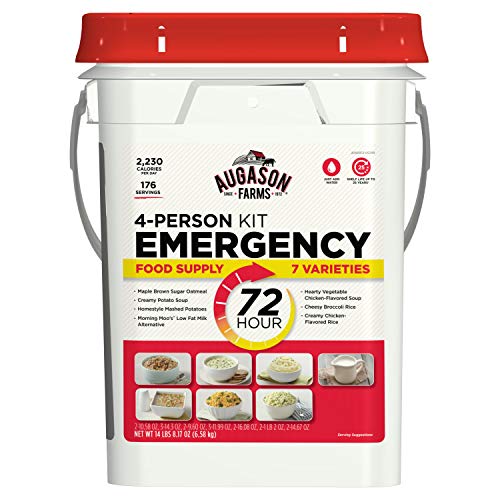
For long-term storage, consider using Super Pails with oxygen absorbers, as they can keep your grains fresh for up to 30 years—an invaluable asset for any prepper. Additionally, utilizing airtight containers and Mylar bags offers protection against moisture and pests, significantly extending shelf life and ensuring that your food supplies remain a reliable resource when you need them most.
Frequently Asked Questions About Freezing Grains
How can freezing grains enhance their longevity and quality for survival and prepping? Freezing grains is a strategic method to extend their shelf life while ensuring they retain vital nutrients. Here are three essential benefits for those preparing for the future:
Freezing grains boosts their shelf life and nutrient retention, making them ideal for long-term survival preparations.
- Pest Prevention: By freezing grains for at least 48 hours at 0°F (-18°C), you can effectively eliminate weevil eggs and other pests that could compromise your food supply.
- Quality Retention: When properly frozen, whole grains can remain viable for up to a year, ensuring that you have access to nutritious and flavorful food when needed most.
- Moisture Control: After thawing, it’s crucial to store grains in airtight containers to prevent moisture buildup, which can lead to spoilage and reduce the longevity of your food reserves.