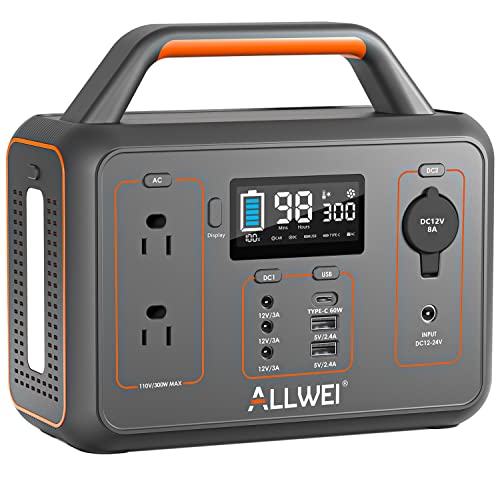
Yes, when it comes to survivalism and prepping, grounding your generator is an important consideration. A generator often needs ground rods, particularly if it’s classified as a separately derived system (SDS). Ground rods provide a crucial path for electrical currents to safely disperse into the earth, which helps minimize the risks of electric shock, equipment damage, and potential code violations in emergency situations. While portable generators typically don’t require grounding rods, permanent installations, which are more suitable for long-term survival setups, definitely do. To ensure safety and compliance with local regulations, it’s essential to consult relevant guidelines and manufacturer instructions. Understanding the nuances of generator grounding can be vital for your preparedness plan in the event of a disaster or power outage.
Key Takeaways
- Ground rods are essential for separately derived systems (SDS) to ensure a safe grounding connection, especially in survival situations where reliable power is crucial.
- Portable generators generally do not require grounding rods when using extension cords, making them a convenient choice for emergency power during a crisis.
- Permanent generators, however, always need grounding electrodes to ensure safety and compliance, which is vital for long-term preparedness.
- Be aware that local codes and manufacturer guidelines may dictate grounding requirements for non-separately derived systems, so it’s important to stay informed.
- Consulting a licensed electrician can help ensure proper grounding and compliance with local regulations, providing peace of mind as you prepare for unexpected events.
Understanding Generator Grounding Requirements
When setting up a generator for survival and prepping purposes, it’s crucial to understand grounding requirements to ensure safety and compliance.
For portable generators, grounding rods are generally not necessary when using extension cords for temporary setups. However, if you’re connecting the generator to a building’s electrical panel for a more permanent solution, you must install a grounding electrode to protect against electrical faults.
If your generator operates as a Separately Derived System (SDS), a grounding rod is required as per the National Electrical Code (NEC). Make sure that the grounding electrode conductor is securely connected to the generator to prevent any hazards.
Always check local regulations and manufacturer guidelines to confirm the correct grounding practices for your generator setup, as safety is paramount in preparedness scenarios.
When Are Ground Rods Necessary?
Ground rods are crucial in certain survival scenarios to ensure a safe and code-compliant generator installation for your prepping needs.
When setting up a separately derived system (SDS), ground rods are necessary to establish a reliable grounding electrode connection to the earth, which is vital for safety during power outages or emergencies.
For non-separately derived systems, the requirement for ground rods may depend on local codes or manufacturer guidelines. If your generator is connected to an existing building’s grounding electrode system, you can utilize those ground rods instead.
It’s important to note that permanent generators must have grounding electrodes for safety, while portable ones generally don’t require ground rods when using extension cords.
Always check local codes to ensure your generator setup is compliant and ready for any survival situation.
Consequences of Not Grounding a Generator
Neglecting to ground a generator can have serious implications, especially for those focused on survivalism and prepping. Without proper grounding, you expose yourself to the risk of electric shock due to unregulated voltage and stray electricity. A generator that is not grounded may become overloaded, potentially damaging itself and any essential appliances you rely on for survival. Compliance with local electrical codes is crucial, as failing to ground your generator can lead to fines and safety violations that could hinder your preparedness efforts. Moreover, without a grounding system, surge protectors may malfunction, leading to unnecessary shutdowns at critical moments. The risk is heightened during electrical storms, where lack of grounding significantly increases the chances of lightning strikes damaging your generator and any connected devices crucial for your survival.
| Consequence | Description | Impact |
|---|---|---|
| Electric Shock | Stray electricity lacks a safe path to ground | Risk to personal safety |
| Generator Overload | Unregulated voltage can damage essential equipment | Potential financial loss |
| Code Violations | Non-compliance with local electrical codes | Fines and penalties |
| Surge Protector Failure | False ground errors can lead to critical shutdowns | Equipment downtime |
| Lightning Risk | Increased danger during storms | Damage to generator/devices |
Steps for Proper Generator Grounding
Properly grounding your generator is crucial for ensuring safety and efficiency, especially in survival situations where reliable power is essential. Follow these steps to effectively ground your generator:
Grounding your generator is vital for safety and efficiency, particularly in survival scenarios where dependable power is crucial.
- Drive a grounding rod at least 3 feet deep into the earth to ensure a low-resistance path to ground, which is vital for safety in emergency scenarios.
- Utilize a copper grounding conductor, typically 6 AWG or larger, and strip it before securely attaching it to both the grounding rod and the generator’s grounding terminal to prevent electrical hazards.
- If you plan to connect your generator to a building’s electrical system, install a grounding electrode conductor (GEC) to link your generator to the building’s grounding electrode system, ensuring a safe and compliant setup.
Regularly inspect all connections and grounding rods for security and signs of corrosion to maintain an effective grounding system, which is essential for safe operation in a prepping context.
Consulting With Professionals for Compliance
When installing a generator as part of your survival and prepping strategy, consulting with professionals is crucial for ensuring compliance with local codes while maximizing safety and efficiency.
A licensed electrician can clarify grounding requirements based on whether your generator is a Nonseparately Derived system. They’ll assess the necessity of a ground rod and ensure that the installation adheres to the specifications set forth by the generator manufacturer.
Proper bonding jumper connections are vital; incorrect grounding can pose electric shock risks and potentially damage essential appliances.
Additionally, engaging local inspectors can help uncover compliance issues, ensuring that your grounding electrode systems meet safety standards and regulations.
Prioritizing professional guidance will help you achieve a secure and reliable installation, which is vital for your preparedness plans.