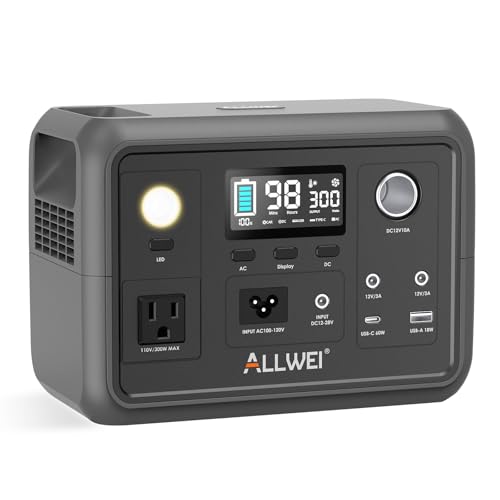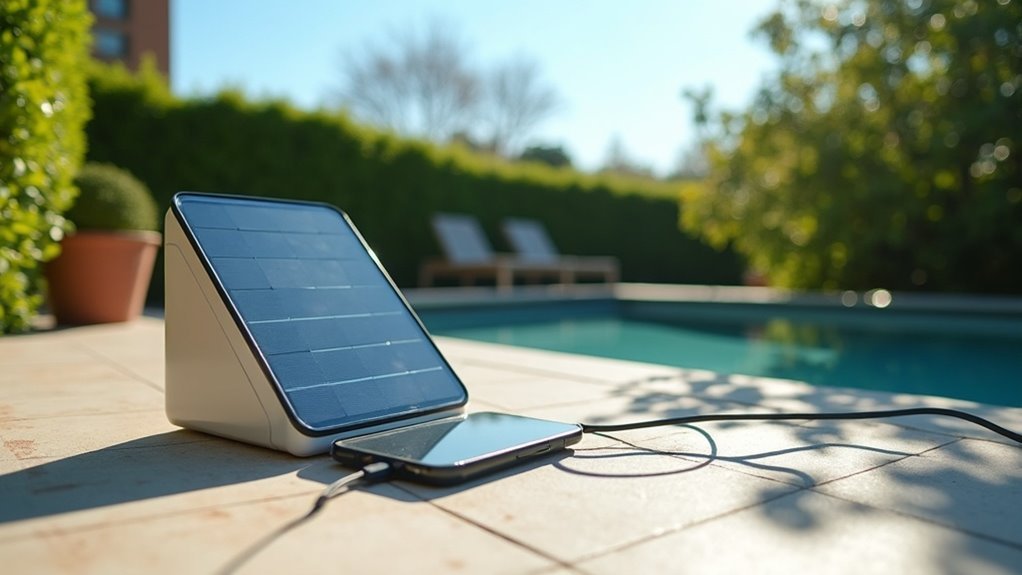
Yes, you can use a solar generator while it’s charging, which is crucial for any survivalist or prepper looking to maintain power during emergencies. However, the efficiency may vary based on the model and connected devices. If you’re using high-wattage appliances, the generator might struggle to meet power demands, which could be critical in a survival situation. Additionally, charging time may extend due to power allocation, and overheating can impact the generator’s longevity—an important consideration when preparing for extended outages. It’s essential to monitor both power consumption and temperature to ensure your solar generator remains operational. Explore more about maximizing your solar generator’s performance and safety practices to enhance your preparedness strategy.
Key Takeaways
- Many solar generators are designed for simultaneous usage while charging, but it’s essential to refer to the user manual for specific guidelines that align with your survival and prepping needs.
- Be mindful that increased power demand from your appliances could strain the generator, potentially leading to insufficient energy supply during concurrent operation and charging.
- Pass-through charging allows the generator to supply power while its battery is being replenished, but be aware that this may affect overall efficiency, which is critical during emergencies.
- Charging times can be prolonged if the generator’s output is split between powering devices and charging, particularly in overcast conditions that can affect solar energy capture.
- Ensure proper ventilation during operation to avoid overheating, as this can damage the battery and diminish its lifespan—key considerations for maintaining reliable energy sources in survival situations.
Understanding Solar Generators and Their Components
When considering a solar generator for survivalism and prepping, it’s crucial to understand the key components that work together to harness solar energy effectively.
A solar generator is an essential tool that can power various critical devices using solar panels that convert sunlight into direct current (DC) energy. The lithium-ion battery packs are vital as they store this electricity for later use, ensuring you have power when needed most.
A solar generator harnesses sunlight to power essential devices, storing energy for reliable access when you need it most.
Charge controllers play a significant role by regulating energy flow to prevent overcharging and potential hazards. Inverters are necessary to convert DC into alternating current (AC), making it compatible with household appliances.
The efficiency of your solar generator can greatly influence your preparedness, as it depends on the quality and capacity of the solar panels, as well as environmental factors such as sunlight availability.
Can You Use a Solar Generator While It Is Charging?
Solar generators are an essential tool for survivalists and preppers, providing a reliable power source that harnesses energy from the sun. They offer the flexibility to use solar energy for your devices while charging the generator itself.
Most models allow for simultaneous use while charging, but it’s crucial to consult the user manual for any specific guidelines or restrictions.
Be aware that drawing power from the generator while it’s charging can increase your overall power demand, which may lead to insufficient energy supply during overcast conditions.
Many solar generators feature pass-through charging, allowing you to charge the unit while using it to power your essential devices. However, if your power consumption exceeds the solar input, it may extend the charging times.
In a survival situation, it’s vital to monitor your generator for overheating, as excessive use during charging can negatively impact the battery’s lifespan and efficiency.
Always have a backup plan for power needs, and ensure your solar generator is well-maintained to support your preparedness efforts.
Reasons for Using a Solar Generator During Charging
Using a solar generator during charging can be a crucial tactic for survivalists and preppers, especially in scenarios where immediate power is vital. It ensures a continuous power supply during emergencies, allowing you to charge essential devices like cell phones, medical equipment, or communication tools.
This capability proves invaluable during power outages, natural disasters, or off-grid living situations where reliable electricity is scarce. Many portable devices can operate while charging, which raises the expectations for solar generators in a survival context.
Moreover, the increased power demand on overcast days makes it necessary to utilize the generator while it’s charging. Ultimately, this practice maximizes solar energy efficiency, allowing you to harness stored energy while simultaneously replenishing the battery, ensuring that you’re always prepared for unexpected challenges.
What to Expect When Using a Solar Generator While Charging
While utilizing a solar generator during the charging process can be beneficial for survival situations, it’s crucial to comprehend the consequences of this practice. Here’s what to anticipate:
- Power output may be restricted, particularly on overcast days or when running high-demand appliances, which is important to consider for preparedness.
- Charging time will likely be extended as the generator’s capacity is divided between charging and powering your devices, potentially impacting your energy reserves.
- Ensure that the total demand from your appliances doesn’t exceed the generator’s output to maintain a stable charge and discharge cycle, which is essential for reliability in emergency situations.
- Excessive heat may build up, posing a risk of damaging the unit and reducing its lifespan, which is a critical factor for long-term preparedness.
Always refer to your user manual for specific instructions regarding simultaneous usage and charging to prevent any complications that could hinder your survival efforts.
Appliances and Devices Suitable for Solar Generators
When utilizing a solar generator for survival and prepping, you’ll discover that a wide range of appliances can be powered effectively, from small devices like laptops to critical medical equipment such as CPAP machines.
It’s essential to consider the wattage requirements of each device to ensure compatibility and prevent overloading the generator.
Commonly Powered Appliances
Solar generators can be a crucial asset for survivalists and preppers, providing reliable power for a variety of essential appliances during off-grid living or emergency situations.
Understanding the power consumption of commonly powered devices is vital for maximizing their effectiveness. Here are some appliances you can typically run with a solar generator:
- Cell phones and laptops: These devices have low power requirements and can be easily charged using solar generators, ensuring communication and information access.
- Mini-fridges: With power needs ranging from 50-100 watts, mini-fridges are ideal for preserving food and medicine during long-term survival scenarios.
- Large-screen TVs: These require between 100-400 watts; it’s important to verify your generator’s specifications to ensure it can handle the load, allowing for entertainment or information dissemination in a crisis.
- Heaters: These appliances can demand 1500 watts or more, so it’s essential to have a properly sized generator to maintain warmth in adverse conditions.
Charging Compatibility Considerations
Understanding the compatibility of appliances and devices with solar generators is crucial for effective survivalism and prepping strategies.
While many solar generators support pass-through charging, it’s vital to verify your model’s specifications to ensure reliability during emergencies. Low-power devices, such as cell phones and LED lights, generally operate well during charging, enabling efficient simultaneous use.
However, high-demand appliances like refrigerators or heaters can quickly exceed the generator’s output capacity, leading to faster battery drainage or overheating—both of which could jeopardize your preparedness plans.
Always monitor your total power consumption to avoid exceeding the generator’s rated output, ensuring safe and reliable operation for off-grid living or emergency situations.
Pros and Cons of Using a Solar Generator While Charging
Using a solar generator while charging can be a crucial asset for survivalists and preppers, as it ensures a steady power supply during emergencies or extended outdoor excursions. This added power availability can keep essential devices running when it counts the most.
However, it’s important to recognize the potential drawbacks, such as slower charging speeds, which may hinder your ability to replenish energy quickly. Additionally, simultaneous use can generate heat, posing a risk to the generator’s longevity and performance.
To maximize efficiency and ensure safety, it’s vital to monitor the load carefully and maintain proper ventilation, allowing your solar generator to operate at its best during critical situations.
Increased Power Availability
While you may value the convenience of accessing power during charging, it’s crucial to consider the advantages and disadvantages of this method when it comes to solar generators, especially for survivalist and prepping scenarios.
Here are some key points to reflect on regarding increased power availability:
- Ensures continuous power for critical devices during emergencies, enhancing your preparedness.
- Guarantees uninterrupted operation in off-grid situations, vital for long-term survival.
- Charging may slow down if power consumption exceeds solar input, which could impact your energy strategy.
- Heat generation can affect battery lifespan if not ventilated properly, potentially compromising your power supply when you need it most.
Slower Charging Speed
Charging a solar generator while in use presents unique challenges, especially when it comes to charging speed, which is critical for survival situations.
When utilizing a solar generator, slower charging speeds can become a significant obstacle, particularly if the power demand from your devices exceeds the energy input from solar panels or AC sources. This increased power consumption can lead to prolonged wait times for achieving a fully charged battery, which isn’t ideal in a preparedness scenario.
Additionally, drawing more power than the generator’s maximum output capacity can further drain the battery, potentially leaving you without sufficient energy for essential devices.
To ensure you’re always ready for emergencies, it’s vital to carefully manage your energy consumption and charging needs, optimizing both performance and efficiency in your survival setup.
Heat Generation Risks
When using a solar generator in a survival or prepping scenario, operating it simultaneously with the charging process presents notable heat generation risks that you should be aware of. Excessive heat can compromise your generator’s lifespan, which is critical when preparing for potential emergencies.
Consider the following risks and precautions:
- Power consumption might exceed the generator’s charging capacity, leading to inefficiencies.
- Elevated temperatures can accelerate battery deterioration, reducing overall reliability.
- Using the generator while charging often results in slower recharge times, which could be detrimental in urgent situations.
- Ensuring proper ventilation is crucial for preventing heat accumulation, especially in confined spaces.
Keep a close eye on your generator’s performance during prolonged use, as some models may lack sufficient thermal management.
Being vigilant about these factors will help ensure your solar generator remains operational and safe, providing you with a reliable power source when you need it most.
Best Practices for Safe Usage
To ensure safe and effective usage of your solar generator in a survival or prepping context, it’s crucial to adhere to specific best practices that not only enhance performance but also extend the unit’s lifespan.
Start by reviewing your model’s user manual to determine if it allows for pass-through charging while in use, which can be vital during emergencies.
Opt for high-efficiency solar panels or AC adapters to maintain a stable power supply, especially when running multiple essential devices simultaneously.
Always position the generator in a well-ventilated area to prevent overheating, particularly when operating high-demand appliances.
Keep a close eye on the power consumption of connected devices to avoid surpassing the generator’s output capacity, which could lead to failure.
Lastly, regularly clean the solar panels and adjust their angles to capture maximum sunlight, ensuring you stay charged and prepared for any situation.