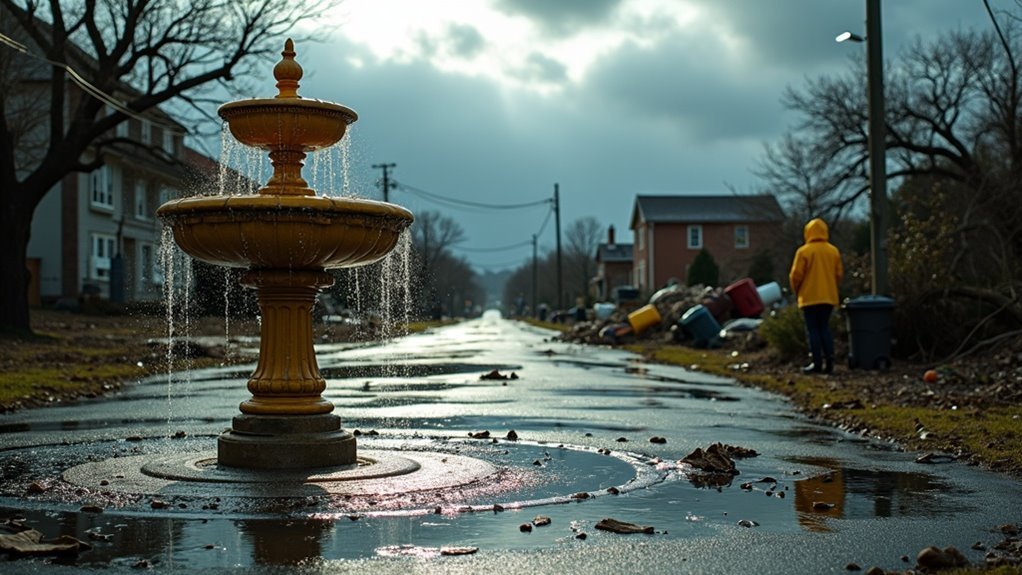
Restoration of municipal water after severe storms isn’t always quick, and as survivalists and preppers know, this can have significant implications for communities. Damage to water facilities and equipment, along with the lengthy permit process, can all delay recovery efforts. Initial assessments typically uncover numerous inoperable systems, and repairs often prioritize restoring potable water over wastewater treatment.
For those preparing for storms and other emergencies, understanding these dynamics is crucial. Community preparedness and local partnerships can play essential roles in streamlining recovery efforts, but inherent challenges remain. By recognizing the complexities of water service recovery, preppers can better equip themselves and their communities for future storms, ensuring they are ready to handle water shortages and other disruptions.
Key Takeaways
- Restoration of municipal water may face significant delays due to damaged infrastructure and challenges in sourcing replacement parts following severe storms.
- Initial evaluations frequently indicate that many water facilities are non-operational, extending the overall timeline for recovery.
- Complications in the permitting process can obstruct timely repairs, further slowing the restoration of water services.
- While emergency repairs focus on addressing immediate threats, the restoration of wastewater treatment systems often lags behind that of potable water.
- Community preparedness and strong partnerships with local industries play a crucial role in enhancing response times and facilitating quicker recovery efforts. Emphasizing self-sufficiency and alternative water sources can also bolster resilience during these crises.
Understanding the Impact of Severe Storms on Water Infrastructure
When severe storms strike, the impact on municipal water infrastructure can be catastrophic, often leaving communities without vital resources. You might see over 15 water and wastewater facilities rendered inoperable, underscoring the critical nature of preparedness.
While flood control measures can help alleviate some damage, the necessity for repairs and replacements remains considerable. Investing in durable materials for future repairs is crucial to fortify resilience against extreme weather events.
Additionally, having effective backup power supplies can ensure that systems remain operational during unprecedented rainfall, facilitating faster recovery.
Community preparedness, including support from local organizations, is vital in restoring these essential services quickly and effectively. Emphasizing survival strategies and prepping can empower individuals and communities to better withstand the impacts of severe storms on their water infrastructure.
The Assessment Process for Water Services Post-Storm
While storms can significantly disrupt municipal water services, the assessment process that follows is crucial for restoring functionality and ensuring safety in a survival situation.
After a hurricane, it’s essential to conduct thorough evaluations, including:
- Inspecting pumps, wiring, and switchgears to assess operational status and potential damage
- Utilizing photographic documentation to aid in future repairs and strategic planning
- Analyzing the condition of piping and infrastructure to ensure they can withstand future disasters
In the aftermath of Hurricane Harvey, around 15 water facilities in Houston were rendered inoperable, underscoring the importance of comprehensive assessments to improve resilience and expedite recovery efforts.
For individuals and communities focused on survivalism and prepping, understanding this process can help in developing personal strategies for ensuring access to clean water in times of crisis.
Challenges in Restoring Municipal Water Supply
Restoring municipal water supply after a storm poses significant challenges that can impede quick recovery efforts, particularly for those focused on survivalism and prepping.
In the aftermath of Hurricane Harvey, the City of Houston faced issues such as damaged equipment and delays in obtaining replacement parts, which complicated the permit process. Initial assessments revealed that 15 water and wastewater facilities were inoperable, leading to additional pressure on restoration efforts.
The aftermath of Hurricane Harvey revealed significant challenges for Houston’s water restoration, with 15 facilities inoperable and equipment delays hindering recovery efforts.
Although all potable water production was eventually restored, repairs to the wastewater treatment system continued to lag. The Federal Emergency Management Agency’s economic analysis played a crucial role in guiding repair decisions and capacity transfers, emphasizing the need for resilience in municipal systems.
For preppers, it’s vital to consider the relocation of infrastructure and evaluate the entire water system to ensure that it can withstand future storms and flooding events, thereby enhancing community preparedness and self-sufficiency.
Community Preparedness and Response Strategies
Effective survivalism and prepping strategies are crucial for communities aiming to mitigate the impact of storms on municipal water systems. Drawing lessons from past events like Hurricane Harvey can help fortify your community’s resilience and preparedness.
Key strategies include:
- Establishing partnerships with local industries, such as oil and gas, to streamline recovery efforts in the aftermath of a storm.
- Implementing regular assessments of water and wastewater facilities to pinpoint vulnerabilities that could be exploited by severe weather events.
- Prioritizing emergency repairs based on immediate threats posed by strong winds and other storm-related impacts to ensure continued access to clean water.
These proactive measures not only enhance your community’s response time but also equip residents with the knowledge and resources needed to prepare for future challenges, thereby creating a stronger and more resilient municipal water infrastructure.
Case Studies: Lessons Learned From Past Storms
When analyzing the aftermath of severe storms like Hurricane Harvey, crucial lessons arise concerning municipal water restoration efforts that can inform survivalists and preppers.
Houston Water successfully restored potable water despite facing challenges such as damaged equipment and permit issues for wastewater treatment. Insights from previous hurricanes, particularly Hurricane Ike, allowed them to implement backup power strategies, ensuring water services remained operational during unprecedented rainfall.
Evaluations revealed that 15 facilities were inoperable, prompting a comprehensive assessment to enhance resilience in the face of future disasters. Collaborating with oil and gas companies provided essential resources, including large pumps and electrical equipment, which expedited recovery efforts.
This proactive approach underscores the importance of sharing disaster management strategies and equipping oneself with knowledge to enhance water infrastructure preparedness for any potential crisis.
The Importance of Infrastructure Resilience for Future Events
When you consider the impact of extreme weather on municipal water systems, it’s clear that investing in resilient infrastructure is crucial for survivalists and preppers.
Upgrading facilities to withstand hurricanes and flooding not only protects essential services but also minimizes future repair costs, ensuring that communities can maintain their water supply during crises.
Design for Extreme Weather
As climate change escalates the frequency and intensity of extreme weather events, the need for resilient infrastructure in municipal water systems has become paramount for survivalists and preppers.
To effectively prepare for challenges such as the unprecedented 51.66 inches of rain during Hurricane Harvey, it’s vital to adopt innovative designs:
- Employ robust materials that can withstand hurricanes and flooding, ensuring long-lasting durability.
- Strategically position infrastructure to mitigate flooding risks, safeguarding essential resources.
- Collaborate with community and industry allies to exchange vital insights and strategies for preparedness.
Investing in infrastructure resilience isn’t just a precaution; it’s crucial for ensuring our water systems can withstand future storms and maintain service continuity when disaster strikes.
For those committed to survivalism, having a reliable water supply is a cornerstone of preparedness.
Investment in Upgrades
While many municipalities grapple with the aftermath of severe storms, investing in upgrades to water infrastructure is essential for ensuring future resilience against disasters.
In Houston, the challenges posed by Hurricane Harvey highlighted significant vulnerabilities, with numerous facilities rendered inoperable. Evaluating materials that can withstand extreme conditions is vital for survivalists and preppers alike.
Economic analyses guide necessary repairs, ensuring that your municipal water system can handle future storms effectively, which is crucial for community preparedness. Learning from past hurricanes like Ike informs these strategies, reinforcing infrastructure resilience and enhancing individual and community disaster management capabilities.