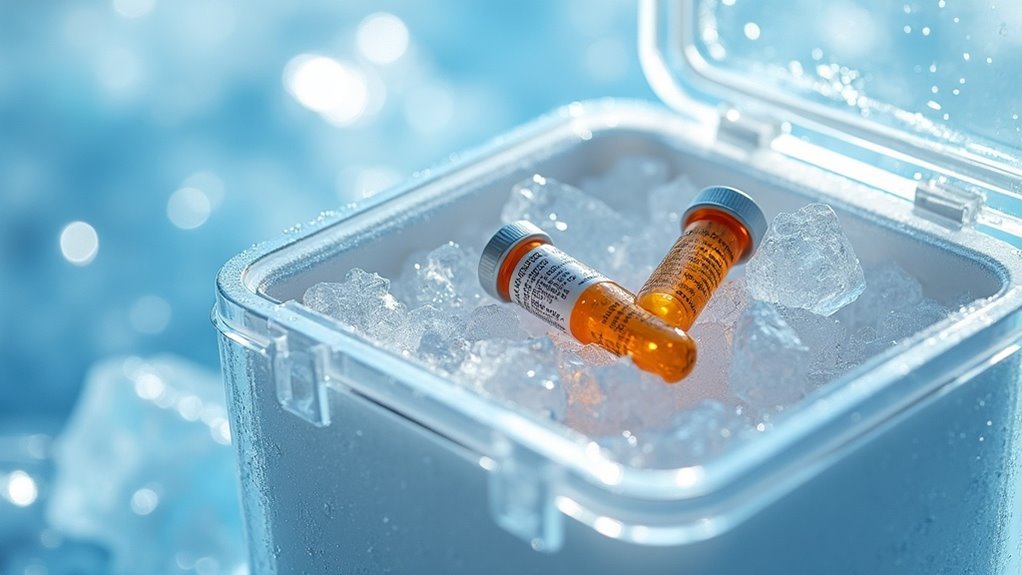
Refrigerated medications can remain safe on ice if you take the right precautions to maintain the required temperature range of 36°F to 46°F (2°C to 8°C). Utilize resealable bags for ice to prevent direct contact with medications, and keep a portable thermometer handy to monitor the temperature regularly. Effective insulation is crucial, so ensure your cooler is well-packed and check for any temperature fluctuations. If you’re prepping for emergencies or long-term survival, understanding how to manage refrigerated medications during transport is key. Explore additional tips and strategies to ensure the safety and efficacy of your medications in various scenarios.
Key Takeaways
- Refrigerated medications can remain safe on ice if properly insulated and monitored, which is crucial for survival situations.
- Use resealable bags for ice to prevent direct contact with medications and contamination.
- Maintain a temperature range of 36°F to 46°F (2°C to 8°C) to ensure the medications remain effective during emergencies.
- Regularly check temperatures with a portable thermometer during transport, as precision is key in prepping scenarios.
- Ensure medications are placed on top of ice packs, avoiding melting ice contact, to maximize their shelf life while on the move.
Understanding Cold Chain Medications
When it comes to cold chain medications in a survivalist context, understanding their specific storage requirements is crucial for ensuring their effectiveness during emergencies.
These medications, including biologics and certain vaccines, must be kept between 36°F and 46°F (2°C to 8°C). In a survival situation, if you don’t store your medication properly, exposure to excessive heat or incorrect temperatures can compromise its integrity, potentially leading to treatment failure or wasted doses.
To maintain temperature control during transport or storage, use insulated coolers and ice packs designed for medical use, which can be a vital part of your prepping supplies.
Regularly monitor the temperature; freezing can destabilize some drugs, making them unsafe for use. Safe storage is essential for successful treatment outcomes, ensuring that you and your loved ones are prepared for any situation.
Importance of Temperature Control
Temperature control is crucial for the effectiveness and safety of refrigerated medications, especially in survival situations where access to medical supplies may be limited.
Even minor fluctuations outside the recommended range can significantly impact the potency of these medications. It’s vital to maintain a temperature between 36°F and 46°F (2°C to 8°C); any exposure outside this range can jeopardize their effectiveness.
While ice packs can assist in keeping medications cool during transport, consistent monitoring is essential to ensure temperatures remain within safe limits.
Additionally, medications that are exposed to freezing temperatures can become unsafe, as freezing can destabilize their formulation.
In prepping scenarios, proper planning and the use of insulated coolers are critical for preserving the integrity of these essential medications, ensuring you’re prepared for any situation.
Effective Use of Cooler Bags
Maintaining the integrity of refrigerated medications during transport is crucial for survivalists and preppers.
Maintaining the integrity of refrigerated medications during transport is vital for survivalists and preppers.
To ensure your medications remain effective and cold, follow these essential guidelines:
- Utilize insulated cooler bags specifically designed for transporting medications.
- Pack frozen gel ice packs to maintain a temperature range of 36°F to 46°F (2°C to 8°C).
- Place medications on top of the ice packs, ensuring they don’t come into direct contact with melting ice.
- Regularly check the cooler bag’s temperature during transport, particularly in warmer environments.
Implementing these practices will help safeguard your medications, ensuring they remain effective when you need them most.
Alternatives When Refrigeration Isn’t Available
While refrigeration is ideal for preserving the effectiveness of cold-sensitive medications, there are practical alternatives when it’s unavailable, especially for survival situations.
You can store medication on ice by placing ice in resealable bags to prevent direct contact, which is crucial in emergencies. Utilizing a cooler bag with frozen gel packs helps maintain temperatures between 36°F and 46°F (2°C to 8°C) for a limited time, making it a reliable option for preppers.
Regularly check the temperature with a portable thermometer to ensure it remains within the safe range. If ice isn’t available, consider sourcing it from local shops or, in a pinch, using snow or ice packs if you find yourself in a cold environment.
Always monitor your ice supply and replace it as needed to avoid extreme temperatures that may compromise your medication’s efficacy. Being prepared is key to maintaining your health in any situation.
Monitoring Medication Safety During Travel
When traveling with refrigerated medications, ensuring their safety is crucial for maintaining their effectiveness, especially in survival and prepping scenarios. Here’s how to keep your medications secure during your journey:
- Maintain a temperature range of 36°F to 46°F (2°C to 8°C) by utilizing gel ice packs. This is vital for preserving medication integrity in case of emergencies.
- Regularly monitor the temperature with a portable thermometer throughout your travels to avoid any potential spoilage.
- Use double-bagged resealable sandwich bags for your ice packs, and be prepared to replace them as they melt to ensure consistent cooling.
- Before your trip, verify that your accommodations have appropriate refrigeration facilities, and also scout out nearby pharmacies as a backup in case of any issues.
Being prepared can make all the difference in a survival situation.