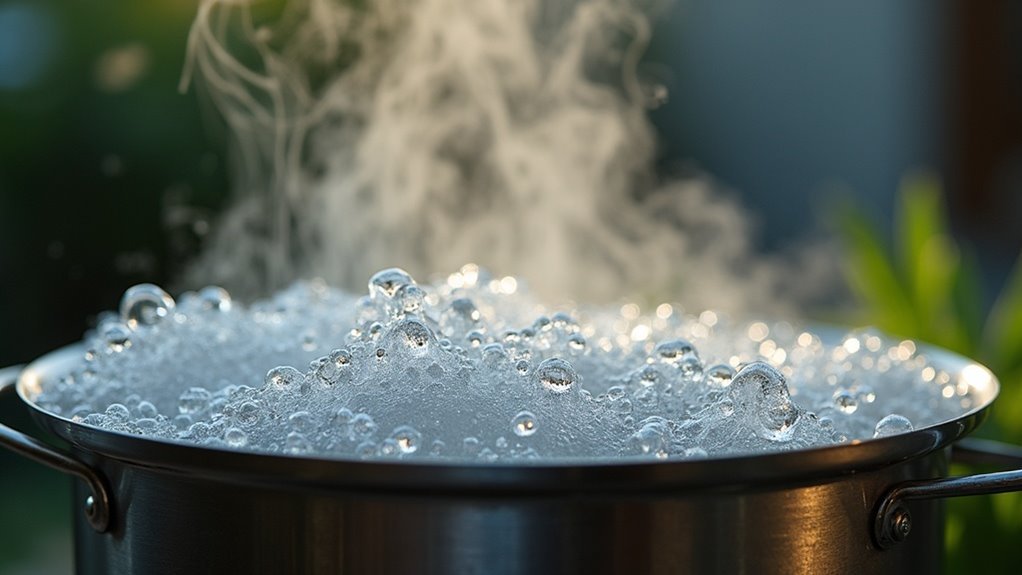
Boiling water is a reliable method to kill pathogens, making it a crucial step in survival situations. However, it’s important to note that boiling does not eliminate harmful chemical contaminants such as heavy metals and PFAS. These pollutants persist in the water even after boiling, and in some cases, boiling can even concentrate these chemicals due to evaporation. While boiling is effective against bacteria, understanding its limitations is key for ensuring your water is safe in a survival scenario. For effective water purification in a prepping context, explore various filtration methods specifically designed to tackle chemical contaminants. This knowledge will enhance your preparedness and ensure access to safe drinking water in any situation.
Key Takeaways
- Boiling water is a crucial survival skill, as it effectively kills 99.9% of bacteria and microorganisms, making it safer to drink in emergency situations. However, it’s important to note that boiling does not remove chemical contaminants.
- Heavy metals like lead and arsenic remain in the water even after boiling, posing a serious health risk.
- Persistent chemicals such as PFAS are not reduced by boiling, as they do not evaporate and can remain in your water supply.
- While boiling can reduce chlorine levels after about 15 minutes, it may inadvertently increase fluoride concentration, which could be a concern in certain situations.
- For thorough purification during a survival scenario, it’s advisable to employ filtration methods in conjunction with boiling to effectively eliminate harmful chemical pollutants from your water supply.
Understanding the Process of Boiling Water
When you boil water, it reaches a critical temperature of 100°C (212°F), marking a vital transformation where the liquid converts into gas. This boiling process is essential for survival, as it effectively disinfects water by eliminating 99.9% of biological contaminants, thereby significantly lowering the risk of waterborne illnesses, which can be crucial during emergencies or survival situations.
However, it’s important to note that while boiling water greatly enhances its safety concerning pathogens, it doesn’t remove chemical contaminants. In fact, as water evaporates, certain pollutants like heavy metals and nitrates can become more concentrated, posing additional risks.
Moreover, dissolved minerals such as calcium and magnesium persist in the water, contributing to its hardness. For comprehensive purification in a survival scenario, consider using advanced purification systems in conjunction with boiling to ensure your water is as safe as possible.
Chemicals That Boiling Water Cannot Remove
While boiling water is a common method for eliminating most biological contaminants, it has significant limitations when it comes to chemical pollutants that can pose serious health risks in survival situations.
Boiling water is effective for biological contaminants, but it falls short against harmful chemical pollutants in survival scenarios.
Here are three critical examples to consider when prepping for clean water:
- Heavy Metals: Contaminants such as lead and arsenic remain in the water even after boiling. In a survival scenario, it’s crucial to have specialized filtration systems or methods to remove these dangerous substances.
- PFAS: These persistent chemicals, often found in various industrial products, don’t evaporate at boiling temperatures. In a prepping context, understanding their resistance to heat can help you choose the right water purification strategies.
- Fluoride and Chlorine: Boiling can inadvertently increase fluoride concentration and is ineffective at removing chlorine or chloramines. For preppers, this underscores the importance of utilizing advanced water purification techniques to ensure safe drinking water.
In your survival preparations, always prioritize methods that effectively address these chemical contaminants to ensure the safety and health of you and your group.
The Effectiveness of Boiling for Pathogen Elimination
Boiling water is a crucial survival tactic for eliminating pathogens in emergency situations, as it can effectively kill 99.9% of harmful bacteria and microorganisms like E. coli and Giardia.
To ensure proper disinfection, maintain a rolling boil for at least one minute; if you’re at high elevations, extend this to three minutes.
While boiling is essential in combating waterborne illnesses, it’s important to note that it doesn’t remove chemical contaminants, heavy metals, or minerals from your water supply.
Therefore, during a boil water advisory, use boiling as a temporary measure for pathogen elimination, but don’t rely on it as a comprehensive solution for water purification.
For complete safety in your prepping strategy, consider incorporating additional methods to address chemical threats and ensure your water is safe to drink.
Comparing Boiling and Filtration Methods
Relying solely on boiling for water purification has its limitations, especially when it comes to dealing with chemical contaminants that can be crucial in a survival situation.
While boiling effectively eliminates microbial threats, it doesn’t remove heavy metals and other harmful pollutants that could compromise your health in a survival scenario.
Boiling water kills microbes but fails to remove heavy metals and harmful pollutants, risking your health in survival situations.
Here’s how filtration methods stack up:
- Chemical Removal: Filtration systems, such as those using activated carbon and reverse osmosis, are designed to target and eliminate a wide range of chemical contaminants, making them essential for ensuring safe drinking water in any survival situation.
- Energy Efficiency: Filtration systems generally require less energy than boiling and provide immediate access to purified water, allowing you to conserve fuel and resources—key considerations for any prepper.
- Taste and Quality: Unlike boiling, filtration preserves essential minerals, enhancing both the taste and overall quality of the water you consume, which is important for maintaining morale and health during a survival situation.
For thorough purification, especially in a prepping context, filtration methods are often the superior choice.
The Impact of Boiling on Water Quality
While boiling water is a commonly recommended method for purifying it in survival situations, its effects on water quality are complex and should be understood by those preparing for emergencies. Boiling is effective at killing 99.9% of bacteria and pathogens, making it a reliable choice for immediate safety.
However, it’s important to note that boiling doesn’t eliminate chemical contaminants such as heavy metals and pesticides, which can pose significant risks in a survival scenario. In fact, the evaporation that occurs during boiling can actually concentrate certain pollutants, potentially increasing their levels in the water.
Moreover, while boiling effectively removes chlorine after about 15 minutes, it doesn’t eliminate fluoride, PFAS, or nitrates—substances that can be harmful if ingested over time.
Boiling also alters the mineral content of the water, reducing temporary hardness while leaving dissolved salts unchanged. For comprehensive water purification in a prepping context, relying solely on boiling is insufficient.
It’s wise to incorporate additional methods such as filtration or reverse osmosis to ensure water safety and quality in any survival plan.
Recommended Alternatives for Water Purification
When preparing for potential emergencies, understanding the strengths of various water purification systems is essential.
Filtration systems, reverse osmosis, and distillation each have unique benefits, effectively targeting a range of contaminants that could compromise your water supply.
Filtration Systems Overview
Filtration systems are essential tools for survivalists and preppers, providing reliable methods for purifying water in various situations, especially when addressing chemical contaminants.
Having access to clean drinking water can significantly enhance your preparedness and overall health. Here are three crucial types of filtration systems to consider for your survival kit:
- Activated Carbon Filters: These filters effectively reduce chemicals like chlorine, lead, and organic compounds, resulting in improved taste and safety of your water supply.
- Reverse Osmosis: This advanced multi-stage treatment system can eliminate up to 99% of dissolved solids, including harmful contaminants, making it a powerful option for ensuring safe drinking water in critical situations.
- Granulated Activated Carbon: Designed to target disinfection byproducts, this type of filter enhances water safety, making it a valuable addition for those looking to minimize health risks.
Selecting the right filtration system is vital and should be based on your unique water quality concerns and thorough testing results.
Being prepared with the right equipment can make all the difference in a survival scenario.
Distillation Benefits Explained
In the context of survivalism and prepping, having access to clean water is crucial. Among the various water purification methods, distillation is a standout choice due to its effectiveness in removing a diverse range of contaminants. This process involves heating water to produce steam, which separates it from harmful substances like chlorine and volatile organic compounds, resulting in high-quality water. While distillation may take more time and energy, it becomes an essential method when integrated with water filtration systems to ensure the best quality.
| Contaminant Type | Effectiveness of Distillation |
|---|---|
| Heavy Metals | High |
| Volatile Organic Compounds | High |
| Nitrates | High |
Opting for distillation not only ensures cleaner water but also enhances safety during emergencies, making it an invaluable technique for those committed to preparedness.
Reverse Osmosis Efficiency
Reverse osmosis (RO) systems are an essential tool for preppers and survivalists looking to ensure access to safe drinking water in any situation.
Their ability to eliminate a wide range of chemical contaminants makes them a reliable choice for water purification.
Here’s why RO systems are a must-have for anyone serious about preparedness:
- High Efficiency: Capable of reducing up to 99% of total dissolved solids (TDS), ensuring clean water in emergency situations.
- Multi-Stage Filtration: Equipped with activated carbon filters that enhance purification, making water safe from various pollutants.
- Energy Efficient: Requires less energy and time compared to boiling water, making it practical for off-grid living.
Health organizations, including the EPA, endorse reverse osmosis as one of the most effective methods for improving water quality, providing peace of mind for those preparing for unforeseen circumstances.