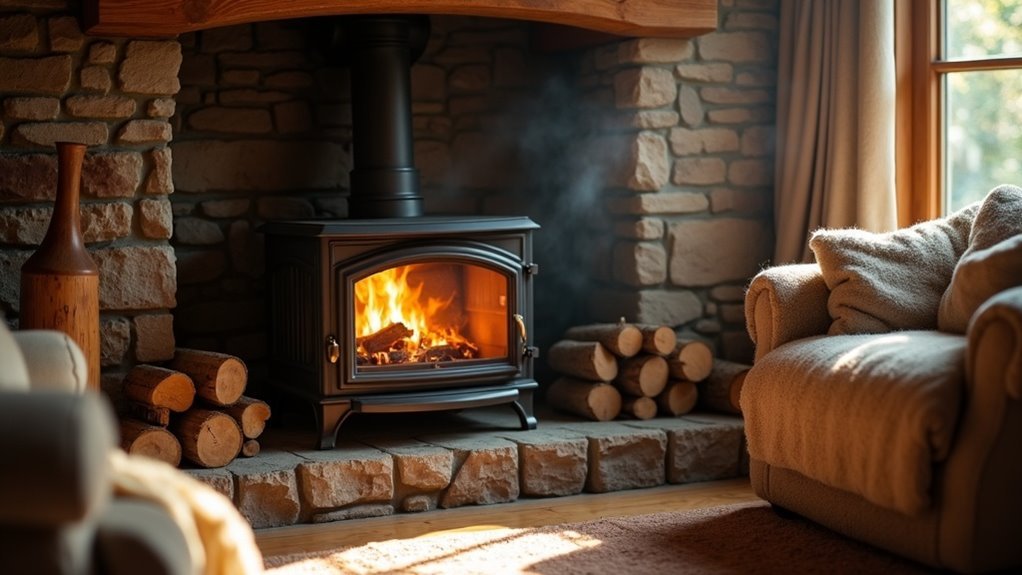
Yes, a wood stove can be an excellent way to heat your home safely in a survival or prepping situation, provided it is equipped with modern safety features and installed correctly. Ensure that it complies with safety standards and that you adhere to the manufacturer’s guidelines for usage. Regular maintenance, including annual chimney inspections and cleanings, is crucial to prevent fire hazards, such as creosote buildup. Always maintain clearances from combustible materials, and consider having fire safety equipment on hand. Want to learn more about how to keep your wood stove safe, efficient, and an integral part of your preparedness plan?
Key Takeaways
- Modern wood stoves designed for survival situations feature automatic shut-off systems and comply with EPA standards, ensuring safer operation and reduced creosote buildup, which is crucial for long-term preparedness.
- Professional installation is vital for compliance with safety standards, minimizing risks associated with improper setup, especially in off-grid or emergency scenarios.
- Regular chimney cleaning and annual inspections are essential practices to prevent dangerous creosote buildup and chimney fires, ensuring that your heating source remains reliable during critical times.
- Proper maintenance, including checking clearances and avoiding stove overloading, is key to minimizing fire hazards and enhancing safety, which is particularly important in a survival setting.
- Exploring alternatives like pellet stoves or gas furnaces can provide efficient heating solutions with improved safety features, making them valuable options for those focused on long-term preparedness.
Understanding Wood Stove Safety Features
When it comes to understanding wood stove safety features for survivalism and prepping, there are several key aspects to prioritize.
Modern wood stoves often come equipped with automatic shut-off systems and secondary combustion chambers, which not only enhance efficiency but also minimize fire hazards—crucial for those looking to maintain a safe living environment in emergency situations.
Ensure your stove meets or exceeds EPA standards to limit creosote buildup, which can lead to chimney fires, a serious concern in a survival scenario.
In addition, look for built-in heat shields and fire-resistant materials that protect your shelter and reduce the risk of accidental fires.
Regular maintenance is vital; make it a point to conduct annual chimney cleanings and inspections of all safety components to ensure your wood stove operates safely and effectively.
Lastly, always refer to your user manual for specific safety guidelines, including clearances from combustible materials and proper loading techniques, to maximize safety and efficiency during your off-grid heating needs.
Importance of Proper Installation and Maintenance
Proper installation and maintenance of your wood stove are crucial for safety and self-sufficiency in your survival setup.
Always hire professionals for installation to ensure compliance with safety standards and to prevent improper venting, which could compromise your heating source.
Additionally, schedule regular chimney cleanings to eliminate hazardous creosote buildup that could lead to chimney fires, ensuring your wood stove operates efficiently and safely in any emergency situation.
Prioritizing these practices will help maintain a reliable source of heat and cooking in your preparedness plan.
Professional Installation Required
Ensuring your wood stove is installed by a professional is crucial for anyone focused on survivalism and prepping. Not only does this comply with local building codes, but it also significantly enhances safety by reducing fire risks, which is essential in a preparedness mindset.
A professional installation guarantees proper clearances—typically 36 inches—from combustible materials, preventing overheating and potential fire hazards.
Moreover, a correctly installed chimney system ensures efficient venting of smoke and gases, which is vital to avoid chimney fires caused by creosote buildup—a serious concern for those who rely on wood stoves for heating during emergencies.
Utilizing fire-resistant materials, such as stove boards or heat shields, further protects your living space from heat damage, allowing you to maintain a safe environment while preparing for any situation.
Regular Chimney Cleaning
Regular chimney cleaning is crucial for ensuring the safety and efficiency of your wood stove, especially in a survivalist or prepping context. It prevents hazardous creosote buildup, which can lead to chimney fires—an important consideration when relying on alternative heating sources.
It’s advisable to clean the chimney at least once a year, or more frequently if you use your stove often, to maintain optimal performance.
Proper installation of the chimney is also essential, as it ensures that height and design support ideal draft conditions, reducing the risks of smoke and harmful gases infiltrating your living space.
Additionally, conducting regular inspections of flue pipes allows you to identify potential issues early, which is vital for maintaining a reliable heating system during emergencies.
Incorporating these practices, along with having smoke detectors and fire extinguishers readily available, creates a safer heating environment for you and your family as you prepare for any eventuality.
Prioritizing chimney maintenance is a key aspect of responsible prepping and survivalism.
Safety Compliance Standards
Following proper chimney maintenance is crucial for the safe operation of your wood stove, especially in survival and prepping scenarios. Understanding and adhering to safety compliance standards not only ensures fire safety but also minimizes risks in emergency situations. Consider professional installation, use fire-resistant materials, and maintain adequate clearances to enhance your preparedness. Here’s a quick reference:
| Installation Aspect | Importance | Safety Compliance Standard |
|---|---|---|
| Professional Installation | Ensures reliable setup for emergencies | Local building codes |
| Fire-Resistant Materials | Reduces fire risks in survival situations | Fire safety regulations |
| Annual Maintenance | Prevents dangerous creosote buildup | Safety compliance checks |
| Smoke Detectors | Provides early warnings of potential fires | Fire safety recommendations |
Stay informed, prioritize safety, and be prepared for any situation!
Risks Associated With Wood Stoves
Using a wood stove can be a crucial skill for survivalists and preppers, but it comes with significant risks if not handled properly.
Overloading the stove or neglecting regular chimney maintenance can create dangerous fire hazards, such as chimney fires resulting from creosote buildup.
To ensure safe operation and maximize the benefits of your wood stove during emergencies, it’s essential to stay informed about these risks and maintain your equipment diligently.
Being prepared and knowledgeable can make all the difference in a survival situation.
Fire Hazards Overview
While wood stoves can provide essential warmth and comfort during survival situations, they also present significant fire hazards if not managed properly.
Overloading the stove or burning inappropriate materials can lead to dangerous fires, which can jeopardize your safety and resources. Regular chimney cleaning is vital, as creosote buildup is a common cause of chimney fires associated with wood stoves.
If you own an older stove, particularly one over 40 years old, it may not meet modern safety standards, increasing the risk of fire. User negligence, such as failing to monitor the stove or neglecting maintenance, further compounds these dangers.
Ensure proper installation and adherence to local codes to effectively minimize fire hazards, safeguarding your survival space and supplies.
Maintenance Importance
To ensure your wood stove operates safely and efficiently in your preparedness efforts, regular maintenance is essential. Annual inspections and cleanings help prevent dangerous creosote buildup, which can lead to chimney fires—a critical risk in survival situations.
Adhere to the manufacturer’s guidelines on fuel loading to avoid overloading your wood stove, as this common mistake can significantly increase fire hazards.
Enhance your safety measures by installing smoke detectors and keeping fire extinguishers readily accessible in case of emergencies.
If your wood stove is over 40 years old, consider replacing or retrofitting it to comply with current safety standards and minimize fire risks.
Prioritizing maintenance not only protects your home but also safeguards your loved ones and ensures your preparedness during challenging times.
Best Practices for Using a Wood Stove Safely
Ensuring safety when operating a wood stove is crucial for both survival preparedness and maintaining a comfortable living space.
Always use properly seasoned wood with a moisture content below 20% to reduce creosote buildup and enhance efficiency, which is vital during extended power outages.
Maintain a clearance of at least 36 inches around the stove to minimize fire hazards, especially in a survival scenario where resources may be limited.
Installing smoke detectors and having easily accessible fire extinguishers on hand are essential safety measures.
Opt for an EPA-certified wood stove to improve emissions control, which is important for maintaining air quality in confined spaces.
Lastly, schedule annual chimney cleanings to prevent dangerous creosote accumulation that could lead to chimney fires, ensuring your heating source remains reliable in times of need.
Regular Maintenance: Key to Fire Prevention
Regular maintenance of your wood stove is crucial for fire prevention and ensuring safe operation, especially for those who prioritize self-sufficiency and preparedness.
Schedule an annual professional inspection and chimney cleaning to eliminate creosote buildup, which can lead to hazardous chimney fires—a risk no survivalist wants to face. Additionally, empty ash pans weekly to maintain airflow and prevent ash accumulation, which can affect your stove’s efficiency.
Incorporate routine checks of the stove’s components—gaskets, flue pipes, and seals—to identify any wear that could compromise safety and performance.
Following the manufacturer’s guidelines for maintenance and operation is vital to maximize safety and minimize fire hazards. By prioritizing these steps, you ensure that your wood stove operates reliably and effectively, keeping your homestead safe and ready for any situation.
Alternatives to Wood Stoves for Heating Safety
While wood stoves are a reliable heating option in survival situations, exploring alternatives can enhance safety and efficiency in your home.
Pellet stoves offer built-in safety features and automatic feeding systems, reducing fire risks when monitored properly. Gas furnaces are highly efficient and present lower fire hazards since they don’t require manual fuel loading or frequent maintenance, making them a safer choice for prepping.
Pellet stoves and gas furnaces enhance safety with automatic features and efficiency, minimizing fire hazards in prepping situations.
Oil furnaces can effectively heat both new and older homes, integrating seamlessly with existing chimney systems for safer operation in emergency scenarios.
Additionally, consider combination heating systems that utilize electric, gas, or oil alongside wood stoves. This approach provides backup options and lessens reliance on a single heat source, improving overall safety and preparedness for any situation.