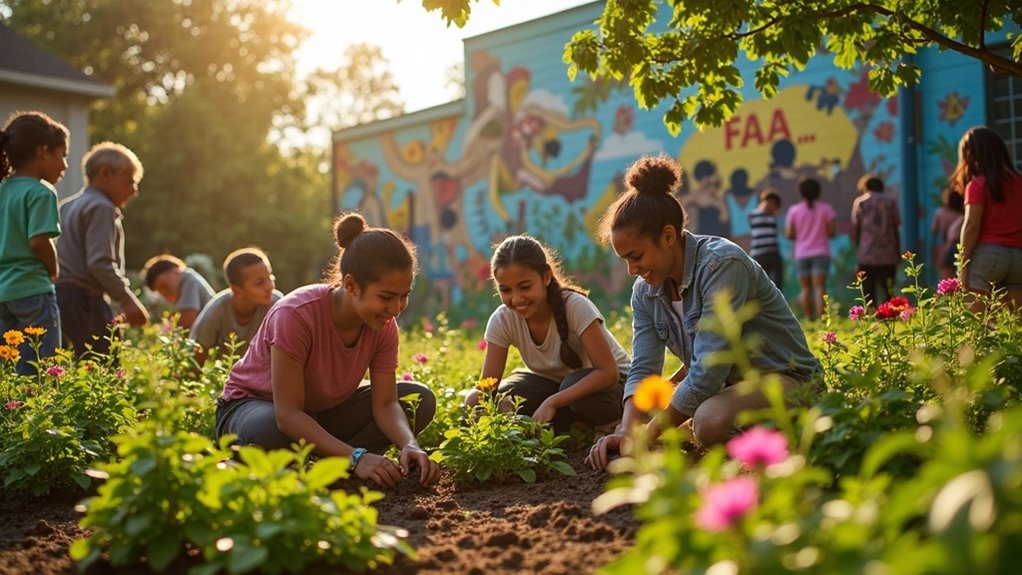
To advocate for resilience in neighborhoods from a survivalism and prepping perspective, engage local residents through casual gatherings and skill-sharing events focused on preparedness and self-sufficiency. Understand their unique challenges and vulnerabilities to foster strong social bonds and identify vital resources within the community, such as food storage, first aid, and emergency plans. Leverage data to tailor strategies based on demographics and local resource availability, while collaborating with local survivalist organizations and prepping groups for support and training. Address everyday stressors and potential emergencies to empower residents to take proactive measures and create a culture of readiness. Together, these efforts can build a more resilient community capable of facing future challenges, enhancing overall neighborhood survivalism.
Key Takeaways
- Engage local survivalist groups and residents in casual gatherings to build trust and promote preparedness initiatives tailored to the community’s unique survival needs.
- Utilize demographic data to identify vulnerabilities and tailor resilience strategies, ensuring equitable resource allocation for emergency supplies and survival training.
- Establish collaborative partnerships with local organizations and survivalist communities to co-develop and support community-led preparedness projects.
- Organize skill-sharing workshops focused on survival skills, empowering residents and enhancing social capital through mutual support and shared knowledge of prepping techniques.
- Advocate for inclusive dialogue by hosting community workshops that reflect diverse survival needs and promote equitable emergency preparedness plans tailored to various scenarios.
Understand the Importance of Community Resilience
Understanding the importance of community resilience is crucial, particularly in neighborhoods facing distinct challenges. For vulnerable populations, such as the elderly in NYCHA, the threats posed by climate change and systemic stressors are constant.
While you may find that strong social bonds exist, the ability to create bridging connections often falls short, hindering adaptability. Tackling everyday stressors, like prolonged repair delays, is vital for enhancing overall resilience.
By promoting collaboration and prioritizing strategic preparedness, you can empower communities to bolster their survival skills and respond effectively during crises. This collective effort not only supports individuals but also strengthens the neighborhood’s capacity to endure and thrive in the face of adversity.
Fostering a culture of preparedness ensures that everyone is equipped to handle emergencies and enhances the community’s overall resilience against future challenges.
Engage With Local Residents
How can you effectively engage with local residents to foster community resilience in the context of survivalism and prepping? Start by understanding their unique challenges, especially in neighborhoods vulnerable to disasters or disruptions.
Building trust is essential, so initiate casual gatherings with familiar faces. Here are three strategies to enhance engagement:
Building trust through casual gatherings with familiar faces sets the foundation for effective community engagement.
- Organize community preparedness events and workshops to empower residents with survival skills and strengthen relationships.
- Create a skills inventory among community members to identify resources, knowledge, and expertise for collaboration in emergency situations.
- Recognize residents as local experts in survival techniques, compensating them for their insights, which fosters ownership in community-based preparedness initiatives.
Leverage Data for Informed Decision-Making
To effectively advocate for resilience in your neighborhood, it’s important to analyze demographics and assess local resources through a survivalist lens.
By monitoring community engagement and preparedness levels, you can tailor strategies that resonate with residents’ needs and strengths, especially in times of crisis.
Utilizing this data-driven approach not only fosters collaboration but also ensures that survival efforts are both equitable and impactful.
This way, your community is better equipped to face challenges and thrive in any situation.
Analyze Neighborhood Demographics
Analyzing neighborhood demographics is essential for developing effective survival and preparedness strategies. By understanding the community’s needs, you can tailor interventions to enhance resilience against disasters.
Consider these three key aspects:
- Income levels: Identify low-income households, particularly those that may struggle to stockpile essential supplies or access resources in a crisis.
- Age distribution: Recognize the unique challenges faced by older adults, ensuring that preparedness plans prioritize their needs and provide support for mobility and health concerns.
- Housing conditions: Map areas lacking safe and secure housing, which can be critical for shelter during emergencies. Utilize GIS platforms to identify neighborhoods at risk.
Collaborating with local organizations ensures that your strategies address specific vulnerabilities, empowering residents to prepare effectively and thrive in the face of adversity.
Assess Resource Availability
Understanding neighborhood demographics is crucial for assessing resource availability, which is vital for survivalism and prepping.
Conducting a community skills inventory can reveal the strengths and weaknesses within your neighborhood, identifying valuable skills, tools, and essential services that may be critical in times of crisis.
Utilize GIS platforms to map resource distribution, identifying gaps that require attention for effective preparedness.
Engage resident volunteers in data collection initiatives, such as urban heat mapping, to uncover vulnerabilities that may affect survival.
Leverage existing community networks to gather qualitative data through surveys, allowing residents to express their preparedness needs.
Analyzing climate vulnerability data can guide decision-making, ensuring that resources are allocated to the most affected areas, ultimately enhancing community resilience and readiness for any emergency.
Monitor Community Engagement
How can we effectively monitor community engagement to enhance resilience in survivalism and prepping? By leveraging data, you can empower community leaders and promote knowledge sharing among preparedness enthusiasts.
Here are three strategies to evaluate:
- Utilize GIS tools to map demographics and local resources, enabling informed decision-making for emergency planning and resource allocation.
- Engage community members as paid experts to collect and analyze data, ensuring it reflects local needs and survival strategies.
- Regularly assess engagement effectiveness through data feedback loops, adapting strategies to keep initiatives relevant and responsive to evolving threats.
These approaches not only strengthen the community’s resilience in times of crisis but also foster a collaborative environment where everyone feels valued and heard in their preparedness efforts.
Build and Strengthen Social Capital
Building and strengthening social capital is crucial for fostering resilient communities, particularly in the context of survivalism and prepping. Enhancing social ties through community engagement initiatives can empower individuals to turn challenges into opportunities for collective preparedness. You can promote bonding, bridging, and linking capital by organizing skill-sharing workshops focused on survival skills, emergency preparedness, and self-sufficiency. Local events, such as group training sessions and resource exchanges, can bolster connections among community members. Tools like Barter Networks and Prepper Hubs help centralize resources, making it easier for residents to support one another in times of crisis. Below is a visual representation of strategies to build social capital in a prepping context:
| Strategy | Purpose | Community Benefit |
|---|---|---|
| Survival skill workshops | Foster practical skills and trust | Empower residents for self-sufficiency |
| Local prepper events | Strengthen community ties | Build a network of support |
| Barter Networks | Facilitate resource exchange | Increase access to essential supplies |
| Prepper Hubs | Centralize survival resources | Enhance preparedness support |
| Collaborative drills | Encourage teamwork during emergencies | Strengthen community resilience |
Develop Community-Led Initiatives
While community-led initiatives can be crucial for survival and preparedness, they necessitate active participation from residents to effectively tackle local challenges.
By prioritizing your community’s resilience, particularly for those who are most vulnerable, you can develop robust solutions. Here are three key strategies:
Prioritizing community resilience, especially for the vulnerable, fosters robust solutions through strategic initiatives and collaborative efforts.
- Establish Resilience Hubs to centralize essential services such as emergency preparedness training, food security, and resource sharing.
- Implement Community Currency systems to promote bartering and mutual aid, thereby enhancing social networks and support systems among residents.
- Organize skill-sharing events and workshops focused on survival skills, self-sufficiency, and collaboration, which will strengthen trust and cooperation within the community.
With committed funding and resources, these initiatives empower your community to adapt and thrive in the face of challenges effectively.
Address Everyday Stressors
Addressing everyday stressors is vital for enhancing resilience within survivalist communities, particularly for those confronting systemic challenges.
Taking proactive steps by prioritizing essential needs—such as reliable healthcare, education, and financial preparedness—can significantly bolster your community’s resilience, equipping residents to better handle emergencies.
Establishing Resilience Hubs can centralize critical services, promoting food security and financial stability while fostering connections among members.
By building social capital—through bonding, bridging, and linking—you can transform persistent stressors into opportunities for collective support.
This collaborative approach not only alleviates individual burdens but also fortifies the entire community, creating a more resilient environment capable of withstanding the uncertainties of the future.
Foster Collaborative Partnerships
Collaborative partnerships are vital for enhancing community preparedness and survival skills, especially in areas grappling with systemic challenges and environmental threats.
By engaging local organizations and harnessing diverse expertise, you can tackle intricate survival issues effectively.
Consider these key strategies:
- Build Trust: Collaborate with groups that have strong community ties to foster deeper engagement and support for preparedness initiatives.
- Align Agendas: Create cross-sector partnerships to co-develop survival and resilience projects that meet the specific needs of your community.
- Establish Survival Hubs: Centralize resources and services to address critical survival needs such as food security, emergency planning, and financial preparedness.
Advocate for Equitable Processes
To create truly resilient neighborhoods in the context of survivalism and prepping, it’s essential to advocate for equitable processes that empower community members as local experts. Supporting residents in decision-making fosters trust and reflects diverse needs, which is crucial in emergency preparedness and response. By partnering with organizations that have deep community roots, you can enhance engagement and ensure that insights shape effective survival strategies.
| Process Type | Benefits | Examples |
|---|---|---|
| Community Workshops | Inclusive dialogue on preparedness | Local survival forums, focus groups |
| Data Collection | Tailored survival strategies | Community Resilience Assessments |
| Procedural Equity | Fair access to resources | Equitable Emergency Response Plans |
These efforts collectively strengthen the community’s resilience in times of crisis.