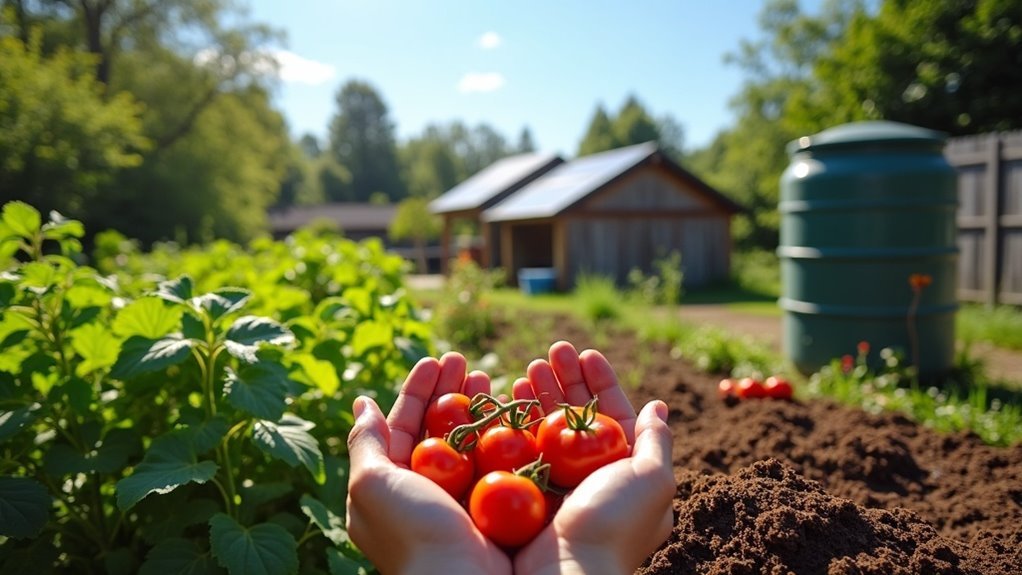
To align prepping with sustainability goals, prioritize renewable resources like solar energy and local agriculture to reduce your carbon footprint. Opt for eco-friendly materials that are certified for sustainability, focusing on biodegradable and recycled options. Implement waste reduction strategies, such as using reusable containers, to minimize excess waste. Cultivate a culture of sustainability within your prepping community through regular training and recognition programs. There’s much more you can explore about integrating these practices into your survival strategy for long-term resilience and self-sufficiency.
Key Takeaways
- Prioritize renewable resources like solar energy to enhance your prepping capabilities while reducing reliance on fossil fuels.
- Source local agriculture to lower your carbon footprint and build food resilience within your survival community.
- Choose eco-friendly materials that are renewable, biodegradable, or recycled to reinforce your sustainable prepping efforts.
- Implement waste reduction strategies, such as utilizing reusable containers, to cut down on single-use plastics in your prepping supplies.
- Cultivate a culture of sustainability by offering regular training and recognition programs that encourage team members to adopt eco-friendly practices in their survival strategies.
The Importance of Integrating Sustainability in Prepping
Integrating sustainability into prepping isn’t just a trend; it’s a necessity for anyone serious about survivalism. By aligning your resource management with long-term environmental goals, you can ensure that your preparations aren’t only effective but also responsible.
Adopting sustainable practices allows you to prioritize renewable resources, such as solar energy, which reduces your dependence on fossil fuels and enhances your preparedness for climate-related challenges. Sourcing local agriculture not only lessens your carbon footprint but also strengthens your community’s resilience to food shortages.
Embracing a circular economy by reusing materials minimizes waste, ensuring that you have the supplies you need without compromising the environment. Additionally, engaging in community-based initiatives fosters collaboration and strengthens social equity, ensuring that sustainable practices are shared and supported within your local networks, which is crucial for survival in times of crisis.
Sourcing Eco-Friendly Materials
When you prioritize eco-friendly materials in your survival and prepping strategy, you’re not just making a choice; you’re taking a stand for sustainability and resilience. Sourcing eco-friendly materials means selecting renewable, biodegradable, or recycled resources that can support your long-term preparedness goals. Utilizing certifications like FSC or GOTS ensures that the materials you choose comply with responsible and sustainable practices. Opting for local suppliers helps to reduce carbon emissions and strengthens your local economy, which can be vital during times of crisis. Consider materials with lower energy use, such as organic cotton or hemp, which are both durable and environmentally friendly. Engage in life cycle assessments to understand the environmental impact of your materials throughout their production and use. Here’s a quick comparison of material types that can enhance your prepping efforts:
| Material Type | Benefits |
|---|---|
| Renewable Resources | Minimized depletion of raw materials |
| Biodegradable Materials | Reduced waste and environmental impact |
| Recycled Resources | Lower energy use in production |
| Local Suppliers | Decreased carbon emissions and support for community |
| Certified Materials | Assurance of sustainability and ethical sourcing |
Minimizing Waste in Preparation Processes
To effectively minimize waste in your preparation processes, it’s essential to implement a strategic approach that targets inefficiencies, especially in a survivalist context.
Adopting a waste reduction strategy not only aligns with your goals of self-sufficiency and sustainability but can also lead to significant resource savings—potentially reducing your operational costs by up to 20%.
Utilize reusable containers to cut down on single-use plastics, which is crucial for long-term preparedness, and enhance your circular economy efforts through recycling and composting.
Conducting regular waste audits will help identify excess waste, while engaging family members or group members in sustainable practices fosters accountability and teamwork.
Promoting a Culture of Sustainability Among Team Members
Creating a culture of preparedness among team members not only enhances engagement but also aligns individual contributions with broader survival goals. By promoting survival initiatives and providing training and resources, you empower your team to integrate preparedness practices into their daily routines. Open communication fosters collaboration, allowing team members to share ideas and feedback, which strengthens commitment to survival objectives.
| Strategy | Benefits | Implementation Tips |
|---|---|---|
| Regular Training | Informed, empowered team members | Schedule monthly survival workshops |
| Open Communication | Enhanced collaboration | Use feedback platforms |
| Recognition Programs | Increased motivation and satisfaction | Celebrate preparedness milestones publicly |
| Survival Initiatives | Shared sense of purpose | Create team challenges focused on readiness |
Recognizing and Rewarding Sustainable Efforts
Recognizing and rewarding sustainable efforts isn’t just about acknowledging individual contributions; it’s an essential strategy for cultivating a culture of preparedness and resilience within your community.
When you implement recognition programs that highlight both individual and team contributions to survival and prepping goals, you significantly boost engagement among members. Studies show that acknowledgment can enhance motivation by up to 30%.
Public recognition during gatherings or through online platforms amplifies impact and fosters a spirit of collaboration. Additionally, organizations that adopt rewards-based approaches often see higher satisfaction and retention rates, as members feel valued for their meaningful contributions to survival initiatives and community preparedness.