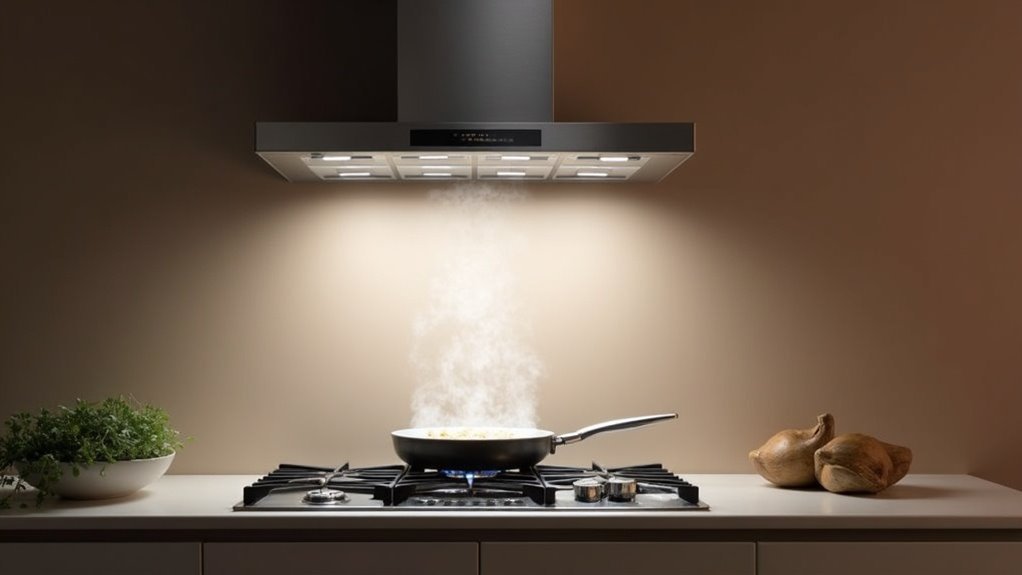
Stove ventilation is crucial for survivalists and preppers as it helps maintain a healthy and safe cooking environment, especially in emergency situations. By effectively removing harmful cooking fumes and excess moisture, you can mitigate respiratory issues and reduce the risk of fire hazards, which is vital when resources are limited. A reliable ventilation system can also capture carbon monoxide, preventing dangerous buildup that could jeopardize your safety. Additionally, it helps eliminate grease that could pose a fire risk or damage your supplies. Choosing the right system, such as a ducted range hood or a robust exhaust fan, is essential for optimizing air quality in your self-sufficient kitchen. Are you ready to learn how proper ventilation can enhance your cooking experience while preparing for any situation?
Key Takeaways
- Proper stove ventilation is crucial for maintaining a safe and healthy environment, especially in survival situations, by removing harmful cooking fumes and reducing exposure to pollutants like carbon monoxide.
- Effective ventilation is essential to prevent respiratory issues and health problems that can arise from poor air circulation during cooking, which is important for long-term survival.
- It minimizes the risk of fire hazards by eliminating grease and oil particles that can accumulate in the kitchen, ensuring that your cooking area remains safe during critical times.
- Adequate ventilation helps control excess moisture, reducing the likelihood of mold and mildew growth in your living space, which can compromise health and resources in a survival scenario.
- Utilizing a range hood or exhaust fan not only enhances safety by capturing harmful emissions but also promotes fresh air circulation in the kitchen, which is vital for maintaining a sustainable living environment.
The Importance of Kitchen Ventilation for Health
When preparing meals in a survival situation, it’s crucial not to overlook the potential hazards that can arise in your kitchen, particularly if proper ventilation is lacking.
Insufficient kitchen ventilation can lead to the buildup of harmful pollutants, such as cooking fumes and carbon monoxide, which can significantly compromise indoor air quality. These pollutants can trigger respiratory issues and pose long-term health risks, which are especially concerning when resources are limited.
Insufficient kitchen ventilation can lead to harmful pollutants, risking respiratory health and indoor air quality in survival situations.
Additionally, excess moisture generated from cooking can encourage mold and mildew growth, creating further threats for those with allergies or weakened immune systems.
Implementing effective kitchen ventilation is vital not only for clearing the air but also for minimizing fire hazards associated with grease accumulation.
Ensuring adequate ventilation is essential for maintaining a safe and healthy cooking environment, especially in a survival scenario.
Safety Benefits of Effective Ventilation
Effective ventilation is essential for enhancing safety in the kitchen, especially for those committed to survivalism and prepping. Utilizing exhaust fans or ductless range hoods allows you to effectively capture and expel harmful cooking fumes, which is crucial for maintaining indoor air quality in any emergency or long-term preparedness scenario. This practice significantly reduces the risk of respiratory issues and prevents dangerous carbon monoxide buildup from gas stoves, ensuring your health and safety during meal preparation.
Moreover, effective ventilation is vital in minimizing fire hazards by removing grease and oil particles that can ignite, which is especially important in survival situations where fire safety can mean the difference between life and death.
It also helps prevent structural damage caused by excess moisture, offering long-term benefits for any homestead or survival shelter. Prioritizing proper ventilation is a key aspect of creating a safer and healthier cooking environment for you and your family, reinforcing your preparedness for any situation.
Understanding Different Types of Ventilation Systems
Whether you’re preparing for an emergency situation or simply looking to enhance your self-sufficiency, understanding the different types of ventilation systems can significantly improve your survival environment.
Ducted systems are the most effective for removing harmful fumes and pollutants from enclosed spaces, making them ideal for use in off-grid kitchens or during extended power outages.
On the other hand, ductless range hoods filter and recirculate air, which can be easier to install in temporary setups but will require regular maintenance and filter changes to remain effective.
Exhaust fans are also beneficial for boosting airflow in smaller prep areas.
When selecting ventilation systems for your survival kitchen, consider styles that align with your setup, and pay attention to CFM ratings—250-400 CFM for electric cooktops and 600-1200 CFM for larger gas stoves—to ensure optimal air quality while you cook and prepare food.
How Broan-NuTone Can Enhance Your Kitchen Ventilation
If you’re focused on survivalism and prepping, having a reliable kitchen ventilation system is crucial for maintaining a safe and healthy environment while cooking.
Broan-NuTone provides a strong selection of range hoods specifically designed to effectively eliminate cooking fumes, which is essential for preventing the buildup of harmful pollutants in your living space.
Their range hoods offer:
- Efficient air circulation and removal of contaminants
- Ducted and ductless options to suit various setups
- Safety features like Heat Sentry and SmartSense to prevent overheating
- EZ1 Brackets for straightforward installation
Investing in Broan-NuTone solutions not only enhances air quality but also protects your kitchen from moisture and grease damage, ensuring your supplies and equipment remain in optimal condition.
Create a healthier cooking environment and gain peace of mind with their high-performance ventilation systems, essential for any serious prepper.
The Impact of Poor Ventilation on Home Structure
While you may not immediately notice the effects of poor ventilation in your kitchen, the long-term consequences can be detrimental to your home’s preparedness and survival capacity.
Inadequate ventilation allows humidity levels and poor air quality to accumulate over time, leading to issues like peeling paint and damaged cabinetry, which can compromise your ability to efficiently store essential supplies.
The moisture and grease from cooking can deteriorate fixtures, attract dirt, and create an environment that fosters mold growth, posing health risks during times of crisis.
Furthermore, the risk of water damage increases, potentially leading to costly repairs that can drain your resources when you need them most.
Ensuring quality ventilation not only protects your home’s structure but also enhances your family’s health and safety, reducing respiratory conditions linked to pollutants that can hinder your survival efforts in challenging situations.
Strategies for Reducing Exposure to Cooking Pollutants
To ensure a safe and healthy kitchen environment during your prepping activities, it’s crucial to implement effective strategies for minimizing exposure to cooking pollutants. Here are some essential approaches to consider:
- Activate the range hood before and during cooking to effectively remove volatile organic compounds (VOCs) and particulate matter from the air.
- Opt for oils with higher smoke points, such as avocado or canola oil, to reduce VOC emissions and maintain optimal cooking conditions.
- Regularly ventilate the cooking area by opening windows and using exhaust fans to promote fresh air circulation and disperse any harmful particles.
- Consider investing in mechanical ventilation systems that can continuously filter and purify air pollutants, ensuring a healthier cooking environment for your survival endeavors.
Transforming Your Cooking Experience With Proper Ventilation
Proper ventilation is essential in any survivalist kitchen, enhancing both safety and functionality during food preparation. By implementing effective stove ventilation, you can improve air quality and minimize indoor air pollution caused by cooking fumes, which is crucial for maintaining a healthy living space in uncertain times. Range hoods and exhaust fans are vital tools to manage humidity, preventing mold growth and reducing respiratory issues, which can be detrimental in a self-sufficient environment.
| Benefits of Proper Ventilation | Impact on Survival Cooking Experience |
|---|---|
| Enhanced air quality | Improved food preservation |
| Reduced humidity | Safer food preparation environment |
| Minimized smoke and odors | Increased confidence in cooking skills |
| Lower risk of smoke alarms | Peace of mind during meal preparations |
Investing in reliable ventilation systems is a key step towards creating a safer, healthier, and more enjoyable cooking atmosphere, allowing you to focus on essential survival skills and food sustainability.