To keep insulin cool without power in a survival situation, utilize insulated containers or bags with ice packs to maintain ideal temperature regulation. It’s crucial to monitor internal temperatures with a digital thermometer to ensure they remain below 80°F (26°C). You can also wrap insulin vials in damp cloths and keep them in shaded areas, avoiding direct sunlight. For longer-term solutions, consider portable insulin coolers like Frio, which can be invaluable in emergency scenarios. Being prepared means taking extra steps to ensure your insulin stays safe and effective, especially when traditional refrigeration is unavailable.
Key Takeaways
- Utilize insulated coolers or bags equipped with ice packs to ensure your insulin remains at safe temperatures during power outages, a crucial aspect of survival preparedness.
- Activate Frio coolers by soaking them in water to provide an effective and portable solution for cooling insulin in emergency situations.
- In survival scenarios, wrapping insulin vials in damp cloths can enhance the cooling effects, helping to preserve your medication when refrigeration is unavailable.
- Maintain a stockpile of reusable ice packs and regularly monitor internal temperatures with a digital thermometer to ensure your insulin remains viable.
- Consistently check your insulin for any signs of spoilage, such as cloudiness or particles, to guarantee its effectiveness when you need it most.
Why Must Insulin Be Refrigerated?
When you’re preparing for emergencies and managing diabetes, it’s essential to keep your insulin refrigerated to ensure its effectiveness. Ideally, insulin should be stored between 36°F (2°C) and 46°F (8°C) to maintain its potency.
Exposure to higher temperatures can degrade its molecular structure, resulting in cloudy insulin or visible particles, which indicates it’s unsafe for use.
While insulin can be stored at room temperature, between 56°F (13°C) and 80°F (26°C), for about a month once opened, it’s critical to avoid prolonged exposure to temperatures above 80°F.
Be aware that insulin begins to lose potency at temperatures exceeding 86°F (30°C). Proper storage isn’t just a matter of convenience; it’s vital for effective diabetes management, especially in survival scenarios where access to medical supplies may be limited.
Ensure you have a reliable refrigeration solution in your prep plans to prevent serious health risks associated with insulin degradation.
Keeping Insulin Cool During a Power Outage
When a power outage occurs, ensuring your insulin remains cool is crucial for survival.
Utilize insulated storage methods, such as cooler bags equipped with ice packs, to help maintain the appropriate temperature.
Consider alternative cooling solutions like dry ice or storing insulin in cool basements to safeguard its effectiveness.
Additionally, tap into your network and community resources; fellow preppers may have valuable strategies and supplies to assist you in preserving your insulin during emergencies.
Always be prepared and have a plan in place for such situations.
Insulated Storage Techniques
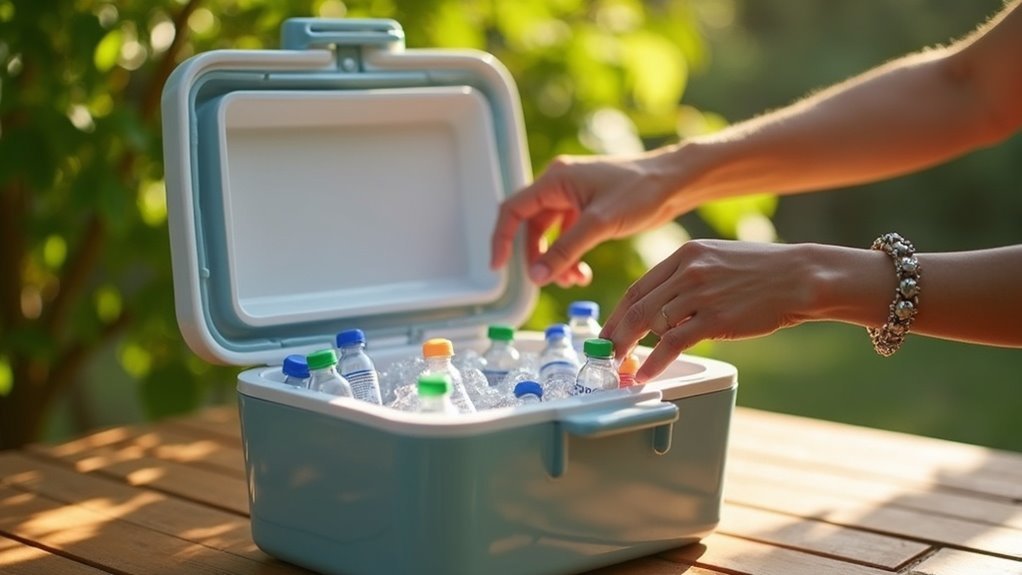
Maintaining insulin’s effectiveness during a power outage is crucial for survival, and using insulated storage techniques can significantly enhance your preparedness. Insulated containers, such as coolers or specialized insulated bags, can keep insulin below 80°F (26°C) by minimizing temperature fluctuations.
For added cooling power, incorporate ice packs or frozen gel packs, which are cleaner and more efficient than loose ice. During extended outages, consider using dry ice within insulated coolers, ensuring that the insulin never comes into direct contact with it to avoid freezing.
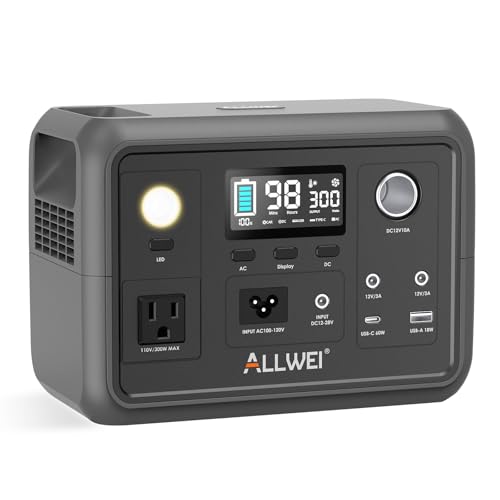
Additionally, having portable refrigerators powered by batteries or solar energy can provide a reliable environment for your supplies. Regularly monitor the temperature inside your insulated storage with a digital thermometer to ensure that your insulin remains safe and effective, reinforcing your ability to thrive in challenging conditions.
Alternative Cooling Solutions
While power outages can pose significant challenges for insulin storage, there are several effective alternative cooling solutions to consider for survival situations. Utilizing insulated coolers or bags with gel packs can help keep insulin cool for hours, making them a practical choice for emergency preparedness. Activated Frio coolers are another excellent option, as they can maintain safe temperatures without the need for electricity for several days. For extended cooling, dry ice can be beneficial, but it’s crucial to keep insulin away from direct contact to avoid damage. Regular checks with a digital thermometer can help ensure the temperature inside your cooler remains below 80°F (26°C). Here’s a quick overview of these options suitable for prepping enthusiasts:
| Solution | Duration of Cooling | Notes |
|---|---|---|
| Insulated Cooler | Hours | Use with gel packs for optimal cooling |
| Frio Cooler | Days | No electricity needed; ideal for long-term use |
| Dry Ice | Extended | Ensure insulin does not contact dry ice |
| Gel Packs | Hours | Prevent moisture from loose ice |
| Portable Solar | Varies | Excellent for outdoor survival situations |
Community Support Strategies
How can your community ensure that insulin remains cool during a power outage? Engaging in community discussions is crucial for building connections and sharing effective survival strategies.
You can develop contingency plans by collaborating with neighbors and friends for temporary refrigeration options. Invest in insulated bags and ice packs, as recommended by survivalist resources. Local pharmacies can provide emergency supplies and expert advice, enhancing your preparedness.
- Share personal experiences to motivate others in the community.
- Organize group brainstorming sessions for creative solutions.
- Compile a list of local resources and contacts for emergencies.
- Promote proactive planning and resource management.
- Establish a robust support network for crisis situations.
Together, you can ensure that everyone has reliable access to safe insulin storage during outages, reinforcing community resilience in the face of challenges.
Strategies for Insulin Storage Without Electricity
When the power’s out, preserving your insulin is crucial for survival, so it’s vital to have strategies in place to keep it cool.
Insulated containers can be invaluable for maintaining a stable temperature. Stocking up on ice packs can enhance your cooling system, providing a reliable way to protect your medication.
Additionally, consider networking with fellow preppers in your community to share resources and support during power outages, ensuring everyone has access to the essentials needed for health and survival.
Insulated Container Techniques
To ensure your insulin remains cool during power outages, employing insulated containers can be a crucial strategy for survivalists and preppers alike. Containers such as coolers or Frio bags are designed to keep insulin below 86°F when activated with water.
Here are several tactical approaches to optimize their performance in emergency situations:
- Utilize multiple reusable ice packs to create a sustained cool environment within the container.
- Wrap insulin vials in a damp cloth to enhance the cooling effect.
- Regularly monitor the internal temperature with a digital thermometer to ensure it remains safe.
- Verify that the insulin stays within the critical temperature range of 36°F to 80°F.
- In dire circumstances, consider the use of dry ice; however, be cautious to avoid direct contact with insulin to prevent it from freezing.
Ice Pack Utilization
Using ice packs effectively is a crucial strategy for survivalists and preppers to keep your insulin cool during power outages or emergencies.
Place ice packs or frozen gel packs inside insulated bags to maintain a temperature below 80°F (26°C). Ensure there’s no direct contact between the insulin and the ice to prevent freezing, which can compromise the medication’s efficacy.
Utilizing insulated coolers can further stabilize temperatures, allowing you to safeguard your insulin for extended periods. To maximize the cooling effect, pre-chill your insulated container before adding insulin and ice packs.
During transportation, it’s essential to regularly check the temperature with a digital thermometer to ensure it remains within the safe range for optimal effectiveness.
Being prepared for temperature fluctuations can make all the difference in maintaining your health during challenging times.
Community Resource Sharing
Engaging with your local survivalist community can significantly enhance your strategies for insulin storage during power outages.
By sharing experiences and resources, you’ll uncover effective methods for keeping insulin cool.
Consider these ideas:
- Utilize insulated bags and coolers designed for emergency situations
- Share ice packs or frozen gel packs among community members
- Create DIY cooling solutions using wet cloths or other available materials
- Exchange tips on portable insulated containers that are ideal for long-term survival
- Collaborate with local pharmacies or prepper groups for backup supplies and emergency plans
Through community resource sharing, you’ll feel empowered and prepared, knowing you’re not alone in tackling the challenges of insulin storage during emergencies.
Together, you can ensure your insulin remains safe and effective, enhancing your overall preparedness in any situation.
Using Portable Insulin Coolers
Portable insulin coolers are a vital resource for survivalists and preppers who need to manage insulin temperatures during emergencies or while on the move.
These coolers, such as the Frio, utilize water-activated technology to maintain insulin at safe temperatures below 86°F, making them ideal for travel or unforeseen situations. Many models can sustain safe temperatures for over 48 hours, depending on environmental conditions, which is crucial for those preparing for long-term scenarios.
In addition to insulin coolers, insulated bags with gel packs provide an economical option for stabilizing temperature fluctuations, ensuring your medications remain viable.
Some advanced coolers come equipped with built-in thermometers, allowing you to keep a close watch on the internal temperature, ensuring it stays between 36°F and 46°F.
When selecting a cooler, opt for lightweight and compact designs to facilitate easy transport and enhance your readiness for any situation.
These coolers aren’t only safe to use but also highly effective in protecting your vital medications.
Tips for Maintaining Insulin Temperature
When you’re on the go or facing unexpected situations, maintaining insulin temperature becomes a critical aspect of survival preparedness. Here are some essential tips to keep your insulin cool while navigating through challenging circumstances:
- Utilize insulated cooler bags equipped with ice or gel packs to maintain a stable temperature.
- Activate Frio coolers with water to ensure extended portability and effectiveness in various environments.
- Store insulin in shaded areas, away from direct sunlight, to minimize heat exposure.
- Consider using dry ice for prolonged cooling solutions, but monitor closely to prevent freezing and ensure insulin remains viable.
- Regularly inspect your insulin for any changes in appearance, as this can indicate whether it’s still safe to use.
Identifying Spoiled Insulin
While insulin is crucial for managing diabetes, it’s vital to recognize when it has spoiled, especially in survival situations where resources may be limited.
Exposure to extreme temperatures can cause insulin to turn cloudy or form clumps, signaling that it’s unsafe to use. If insulin has been frozen, it should be discarded immediately, as this can lead to irreversible damage that could jeopardize your health during critical times.
Be vigilant for signs of degradation, including discoloration, floating particles, or changes in consistency. If insulin has been left unrefrigerated for more than 28 days, its effectiveness is likely compromised, which could be detrimental when access to medical supplies is uncertain.
Always refer to the manufacturer’s guidelines and be prepared to discard any insulin that shows signs of spoilage or hasn’t been properly stored.
In a prepping scenario, ensuring the integrity of your medical supplies, including insulin, is essential for your survival and well-being.
Preparing an Emergency Insulin Kit
Creating an emergency insulin kit is vital for anyone managing diabetes, particularly in unpredictable survival scenarios. To ensure your insulin remains cool and effective when it matters most, include these essential items in your kit:
- Insulated cooler or ice chest for temperature regulation
- Multiple reusable ice packs to maintain cool temperatures
- Digital thermometer for accurate temperature monitoring
- Current list of insulin types, dosages, and schedules for quick reference
- Key contact numbers for healthcare providers for immediate assistance
Regularly review and update your emergency insulin kit to ensure that all components are ready for use.
By effectively storing your insulin, you can have peace of mind knowing you’re prepared for any emergency situation with your portable fridge.
Being proactive in your preparations can make a critical difference in survival scenarios.