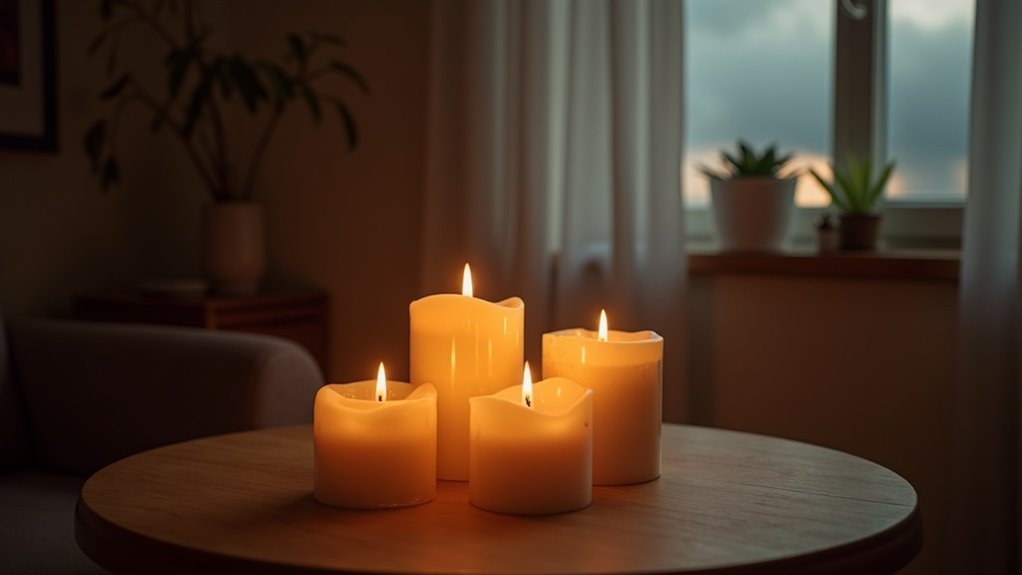
Candles are not a safe option during earthquakes. The potential for fires and gas leaks significantly increases in these unstable conditions. Uneven surfaces can easily cause candles to tip over, potentially igniting uncontrollable fires. Additionally, open flames can ignite gas leaks, leading to devastating explosions. It’s wise to eliminate candles from your emergency plans and choose safer alternatives, such as battery-powered lights or solar lanterns. Prioritizing safety and preparedness is crucial in survival situations, so make sure to stay informed and explore various strategies for effective emergency preparedness.
Key Takeaways
- During earthquakes, candles can pose significant fire hazards due to unstable surfaces and the risk of tipping over.
- Open flames have the potential to ignite quickly, which can lead to uncontrollable fires, especially in the event of gas leaks.
- For safety, it’s advisable to avoid using candles during emergencies, as the risk of fire and explosions is greatly increased.
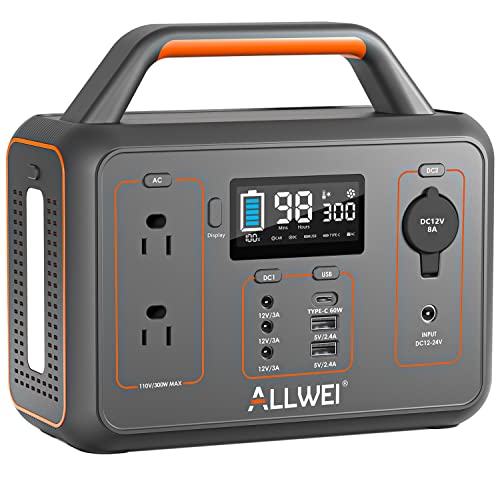
- Instead, consider using battery-powered LED lights or solar-powered lanterns, which are safer alternatives for lighting during emergencies.
- Prioritizing safety means opting for non-flammable lighting options and ensuring that fire extinguishers are readily accessible in your preparedness plan.
Understanding Earthquake Risks
Understanding the risks associated with earthquakes is crucial for survivalists and preppers, especially in areas like New York, where significant seismic events may be rare but are still possible.
While the likelihood of a major quake is low, local fault lines present potential earthquake risks that could lead to extensive damage. It’s imperative to have a comprehensive emergency plan that includes securing gas lines and other hazards to minimize danger during a seismic event.
Local fault lines pose potential earthquake risks; having a robust emergency plan is essential to minimize dangers during seismic events.
Additionally, be cautious with open flames, such as candles, which can create extra risks in the aftermath of an earthquake. Staying informed through resources like the NY-Alert system can significantly enhance your preparedness and ultimately improve your chances of safety during emergencies.
Embrace a proactive approach to survival, ensuring you’re ready for any unexpected seismic challenges.
The Dangers of Using Candles
Using candles during and after an earthquake can pose serious fire hazards, as they’re prone to tipping over and igniting flammable materials in an unstable environment.
Moreover, the risk of gas leaks significantly increases during such events, making open flames an especially dangerous choice.
As survivalists and preppers, it’s crucial to prioritize safety and reliability in emergency situations. Authorities strongly advise against using candles to mitigate the risk of potential fires and explosions.
Instead, consider alternative lighting options such as battery-powered lanterns or solar-powered lights, which can provide illumination without the associated dangers of flames.
Always be prepared and have a plan that includes safe lighting methods during emergencies.
Fire Hazard Risks
While the flickering light of a candle may seem comforting during the chaos of an earthquake, it poses significant fire hazards that should not be ignored. The risk escalates with the presence of gas leaks, unstable surfaces, and falling debris, which can easily cause candles to tip over. The National Fire Protection Association reports that candle-related fires peak in winter, highlighting the dangers involved. For those engaged in survivalism and prepping, many guidelines strongly advise against using open flames due to these risks.
| Risk Factors | Description |
|---|---|
| Gas Leaks | Flames can ignite flammable gases from damaged lines. |
| Falling Debris | Unstable surfaces increase the chance of candles tipping. |
| Power Outages | Alternative ignition sources heighten fire risks. |
| Open Flames | Explicitly discouraged during emergencies. |
| Fire Statistics | Candle fires peak in winter months. |
In emergency situations, it’s vital to consider safer alternatives for illumination to mitigate fire hazards while ensuring safety.
Gas Leak Concerns
After an earthquake, the risks of using candles increase significantly, especially due to the potential for gas leaks. If you detect the smell of gas, it’s crucial to avoid any open flames—including those from candles—to prevent catastrophic explosions.
Damaged gas lines or appliances can create dangerous conditions, putting your home at risk of fire. The National Fire Protection Association warns that open flames can ignite swiftly, leading to uncontrollable fires.
Instead of relying on candles for light, consider equipping your home with battery-powered lights or other alternative sources of illumination. Prioritizing safety during this critical period is essential for preserving life and property from the devastating consequences of fire associated with gas leaks.
Stay vigilant, prepare accordingly, and choose your lighting sources wisely to ensure your safety and readiness in emergency situations.
Alternatives to Candles for Lighting
When the lights go out after an earthquake, it’s crucial to have safe lighting options that minimize fire hazards.
Battery-powered LED lights, solar-powered lanterns, and glow sticks provide reliable illumination without the risks associated with traditional candles.
Battery-Powered LED Lights
While candles have been a traditional choice for emergency lighting, battery-powered LED lights present a significantly safer and more efficient alternative, especially during natural disasters like earthquakes.
They eliminate the fire hazards associated with open flames and mitigate the risk of smoke compromising indoor air quality.
Here are some compelling reasons to consider incorporating battery-powered LED lights into your survival and prepping kit:
- Long lifespan – These lights typically outlast traditional bulbs, ensuring you have reliable illumination when you need it most.
- Adjustable brightness – Customize the light intensity to suit your specific needs, whether for navigating in the dark or conserving battery life.
- Rechargeable batteries – Keep them charged and ready for use during power outages, providing peace of mind when other dangers, like gas leaks, may arise.
Incorporating battery-powered LED lights into your emergency preparedness plan is a smart investment for ensuring safe and effective lighting in times of crisis.
Solar-Powered Lanterns
While battery-powered LED lights are a reliable choice for emergency lighting, solar-powered lanterns present an even more sustainable solution for illuminating your space during disasters like earthquakes. They eliminate the fire hazards associated with candles, making them a safer option in unstable environments. Lightweight and portable, solar lanterns fit seamlessly into your emergency kits and harness the sun’s energy to charge, ensuring they’re primed for use during power outages. Many models offer multiple brightness settings and even USB ports for charging essential devices.
| Feature | Benefits |
|---|---|
| Fire Hazards | No open flames, safer option for emergencies |
| Portability | Easy to store and transport for quick access |
| Sustainability | Rechargeable and eco-friendly, aligns with survivalism principles |
Glow Sticks
In emergency situations like earthquakes, glow sticks are a vital tool for survivalists and preppers, offering a reliable alternative to candles for lighting. They provide a safe solution, eliminating the risk of fire, particularly during gas leaks or in environments with debris.
Here are some key features:
- No open flame, reducing the risk of igniting surrounding materials.
- Long-lasting illumination that lasts for several hours without the need for batteries—ideal for extended emergencies.
- Lightweight and portable, making them an essential addition to any emergency preparedness kit.
Unlike candles, glow sticks won’t break or spill wax, which enhances safety in unstable conditions. Their bright colors improve visibility, allowing you to navigate effectively through darkness or smoke.
For those committed to self-reliance and preparedness, glow sticks are an indispensable resource for achieving peace of mind in uncertain times.
Preparing Your Home Before an Earthquake
Preparing your home for an earthquake is essential for survivalism, as even minor tremors can result in serious damage and safety hazards.
Begin by securing all heavy objects, such as bookshelves and appliances, to prevent them from tipping over and causing injury during an earthquake. Store flammable items, including candles, in stable, low cabinets to reduce fire risks. Ensure your home is equipped with a fire extinguisher, and make sure everyone in your household is familiar with its location and how to use it effectively.
Secure heavy objects and store flammable items safely to enhance your home’s earthquake preparedness and minimize risks.
Additionally, assemble a comprehensive emergency kit that includes essentials like a flashlight, extra batteries, non-perishable food, water, and a first aid kit to prepare for potential power outages and supply disruptions.
Regularly conduct earthquake drills with your family to ensure everyone knows what to do in an emergency and to reinforce your preparedness strategies.
Safety Measures During an Earthquake
During an earthquake, prioritizing safety is crucial to ensure your survival and the protection of your loved ones. As a survivalist and prepper, here’s a comprehensive approach to what you should do:
- Stay indoors and seek shelter under sturdy furniture, such as a heavy table or desk, to protect yourself from falling debris. Always have a designated safe space in your home.
- Utilize battery-operated flashlights or lanterns instead of candles to avoid potential fire hazards. Keep extra batteries and a reliable light source in your emergency kit.
- Regularly check for gas leaks by listening for hissing sounds or detecting the smell of gas. If you suspect a leak, evacuate the area immediately and avoid using any electrical devices that could create a spark.
Being prepared and knowing how to react during an earthquake can greatly enhance your chances of survival.
Always practice your emergency plans and ensure that your family is equipped with the necessary supplies and knowledge.
Recommendations for After an Earthquake
After an earthquake, it’s crucial to evaluate your surroundings with a focus on survival and preparedness.
Be vigilant about potential hazards, especially gas leaks. If you detect the smell of gas, don’t light candles or matches; evacuate the area immediately. Use flashlights or battery-powered lanterns to safely navigate your environment.
Ensure your emergency kits are well-stocked with alternatives to candles, such as glow sticks or high-quality LED lights, which offer illumination without the risk of fire.
Prioritizing safety is essential, so always follow the guidance of local authorities regarding potential hazards.
By implementing these precautions and maintaining a prepared mindset, you can effectively manage risks and enhance your safety in the aftermath of an earthquake.
Stay informed and ready to respond to any situation that may arise.
Importance of Emergency Preparedness
Emergency preparedness is a cornerstone of survivalism, especially when it comes to minimizing risks during unexpected events like earthquakes. To ensure your safety and enhance your prepping strategy, consider these three crucial steps:
- Assemble a comprehensive emergency kit that includes non-perishable food, water supplies, and a well-stocked first aid kit, designed to sustain you and your family for at least three days.
- Identify and establish safe zones in each room of your home where you can protect yourself during seismic activity, ensuring you have a plan for every area of your living space.
- Stay vigilant about local seismic activity and engage in regular drills with your family to practice your emergency response, reinforcing your preparedness mindset.
Being well-prepared not only enables you to remain safe during an earthquake but also empowers you to respond effectively to aftershocks and other emergencies.
Resources for Further Information
Accessing reliable resources can significantly enhance your knowledge of survivalist practices during earthquakes, particularly concerning the use of candles and open flames. Here’s a useful table to guide your research:
| Resource Type | Description | Link |
|---|---|---|
| Local Emergency Management | Offers guidelines on safety and preparedness specific to survival situations | [Local EMS] |
| Fire Departments | Provide crucial information on fire hazards and safety protocols during emergencies | [Fire Safety] |
| Preparedness Organizations | Share tips on alternative lighting, emergency kits, and overall preparedness strategies | [Preparedness] |
Stay vigilant about potential gas leaks and consider avoiding candles during tremors to minimize fire risks while ensuring your preparedness for any situation.