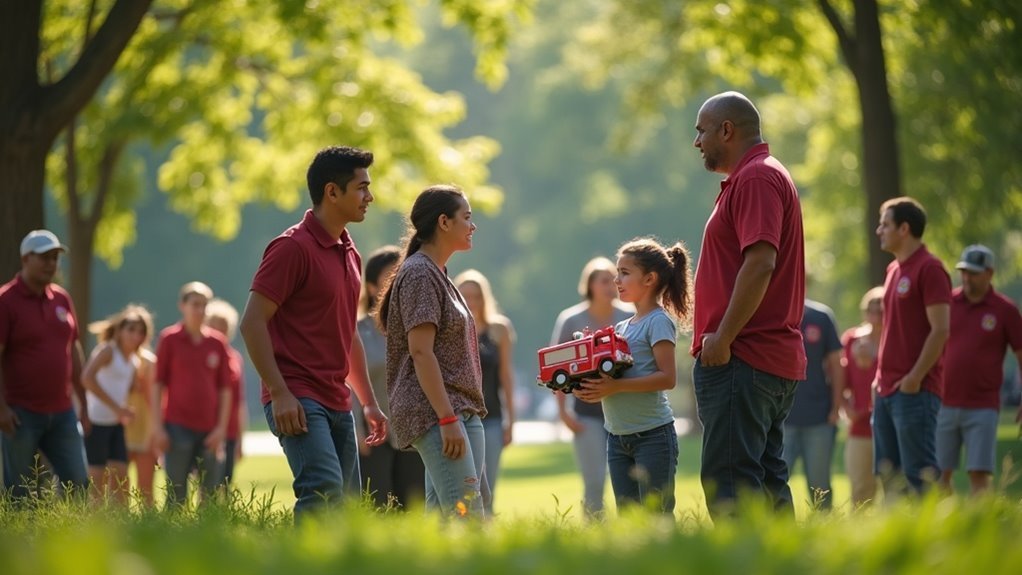
Absolutely, community drills are invaluable for survivalists and preppers. They not only enhance overall preparedness but also strengthen bonds among community members, creating a network of support during crises. Regular drills build confidence and reduce panic when facing emergencies, which is crucial for effective survival strategies. Additionally, these exercises help pinpoint weaknesses in emergency plans, ensuring that everyone is aware of their specific roles and responsibilities should a situation arise. Investing time in these drills cultivates a more resilient community, better equipped to handle various survival scenarios. Explore how these advantages can significantly impact your community’s readiness for future challenges.
Key Takeaways
- Community drills enhance preparedness by reinforcing essential skills, leading to quicker and more effective responses during real emergencies.
- Regular drills foster strong relationships between community members and emergency responders, promoting trust and collaboration when it matters most.
- Drills help identify weaknesses in communication and emergency protocols, allowing for critical adjustments and improvements to survival plans.
- Practicing emergency procedures reduces panic and trauma, significantly improving response times in high-stress scenarios.
- Engaging in community drills cultivates a collective sense of responsibility and commitment to safety among all participants, reinforcing the survivalist mindset.
Enhancing Preparedness Through Practice
When you engage in community drills, you not only gain practical skills but also reinforce your muscle memory, enabling quicker responses in real emergencies.
Regular safety drills are essential for identifying weaknesses in communication and emergency response protocols, allowing for necessary adjustments. This practice encourages collaboration among local responders and community members, ensuring that everyone understands their roles during crises.
Regular safety drills strengthen communication and emergency response, fostering collaboration and clarity in crisis roles for everyone involved.
Research indicates that communities involved in such drills experience increased preparedness, which mitigates panic and improves outcomes when emergencies strike.
Furthermore, realistic drills enhance public confidence in survival protocols, familiarizing individuals with procedures and escape routes, ultimately fostering a safer environment for all involved.
Embracing these practices is a key aspect of effective survivalism and prepping.
Building Community Relationships
Building strong community relationships is essential for effective emergency preparedness in the context of survivalism and prepping. Establishing a network of trust and collaboration among residents and local responders enhances individual and collective resilience.
Engaging in community drills not only fosters this trust but also boosts overall emergency response capabilities. Here are three key benefits:
- Increased Familiarity: Residents become acquainted with local agencies and the resources available for survival situations, leading to a more informed and prepared public.
- Identifying Gaps: Drills expose weaknesses in emergency plans, allowing communities to make necessary adjustments and improvements for better preparedness.
- Building Partnerships: Collaboration during drills reinforces ties between public safety officials and community organizations, ensuring a coordinated response when crises occur and increasing the overall survival rates for everyone involved.
Reducing Panic and Trauma in Emergencies
To effectively reduce panic and trauma during emergencies, creating a calm environment is essential for survivalists and preppers.
By announcing drills in advance and tailoring them to be age-appropriate, you can help participants feel secure and prepared for any situation.
This thoughtful approach not only enhances skills and knowledge but also fosters confidence in responding to real emergencies, ensuring that everyone is ready when it counts.
Calm Environment Creation
Creating a calm environment during emergency drills is essential for minimizing panic and trauma among participants, especially in the context of survivalism and prepping.
Safety drills cultivate familiarity and confidence, which are vital for effective preparedness and response. Here are three key elements for creating a calm environment in these scenarios:
- Clear Communication: Clearly conveying emergency procedures ensures that participants understand what to expect, reducing misunderstandings that can lead to panic.
- Controlled Practice: Conducting simulated emergency responses in a structured setting helps foster composure and build mental resilience, which are crucial for survival situations.
- Mental Health Collaboration: Involving mental health specialists can help tailor drills to accommodate individuals with special needs, preventing trauma while providing realistic practice in managing emergencies.
These strategies significantly enhance effective emergency preparedness and response in survival situations.
Age-Appropriate Drills
Implementing age-appropriate drills is crucial in survival and preparedness training, ensuring that the practices resonate effectively with all participants, especially children. These drills aim to reduce panic and trauma by tailoring scenarios to different developmental stages, prioritizing the well-being of young learners.
Research indicates that overly realistic drills can induce fear; therefore, it’s vital to create practical, non-threatening experiences that foster confidence and preparedness. Collaborating with specialists ensures inclusivity for students with special needs, minimizing stress and enhancing comprehension.
Additionally, considering the emotional and psychological readiness of students helps cultivate a calm environment conducive to learning essential survival skills. Gathering feedback from students and staff after drills allows for necessary adjustments, ultimately improving the effectiveness of future exercises while reducing the potential for trauma.
Strengthening Communication Among Residents and Responders
While many may underestimate the importance of community drills, these exercises are vital for enhancing communication between residents and emergency responders in a survivalist framework. Strong collaboration fosters better preparedness and a clear understanding of roles during emergencies.
Here are three key benefits:
- Identifying Gaps: Effective drills reveal communication breakdowns, allowing communities to refine their emergency response protocols and ensure everyone knows their responsibilities.
- Building Trust: Regular interactions create rapport among residents and responders, which is essential for managing high-stress situations effectively.
- Community Ownership: Engaging locals in preparedness efforts instills a sense of responsibility and ownership, significantly improving overall readiness for any potential disaster.
Ultimately, these drills are essential for strengthening the bonds within your community, ensuring everyone is equipped and ready to respond effectively when real emergencies arise.
Emphasizing survivalism and prepping ensures that all community members are proactive and well-prepared for any situation.
Identifying Weaknesses in Emergency Protocols
Identifying weaknesses in emergency protocols is crucial for any survivalist community seeking to enhance its preparedness. Engaging in drills can expose significant gaps in communication and coordination among responders, as well as highlight outdated survival gear. Regular participation helps pinpoint issues with evacuation routes and the public’s understanding of emergency signals. After-action reviews yield valuable insights, allowing your community to implement targeted improvements for better survival outcomes.
| Weakness Identified | Impact on Safety | Recommended Action |
|---|---|---|
| Communication gaps | Delayed response in crises | Enhance training sessions for all members |
| Outdated survival gear | Increased risk to personal safety | Regularly update and maintain resources |
| Poor evacuation routes | Chaos during emergencies | Develop clearer and alternative escape plans |
| Unclear emergency signals | Confusion among community members | Launch improved public awareness campaigns on survival protocols |
Fostering a Culture of Safety and Responsibility
Community drills not only reveal weaknesses in emergency protocols but also play a crucial role in fostering a culture of preparedness and self-reliance among residents.
Community drills highlight the importance of emergency preparedness and cultivate self-reliance among residents for a safer future.
When you participate in these drills, you contribute to collective survival readiness through:
- Enhanced Familiarity: Regular practice with emergency protocols builds your confidence and skills in crisis situations.
- Increased Awareness: Drills expose potential hazards and encourage collaboration with local emergency services, ensuring you’re well-prepared for any eventuality.
- Stronger Bonds: Working together in drills strengthens community ties and fosters a shared commitment to safeguarding one another during emergencies.
Empowering Participants for Future Incidents
Participating in community drills is essential for survivalism and prepping, as it builds your confidence and hones your crisis response skills through hands-on practice.
By engaging with your team in realistic scenarios, you’ll improve coordination and learn to communicate effectively under pressure.
This preparation not only equips you for real emergencies but also fosters a resilient community that’s better prepared for any future incidents.
Building Confidence Through Practice
While emergencies can be unpredictable, regularly engaging in safety drills equips you with the skills and confidence needed to respond effectively when it matters most. Through practice, you enhance your ability to act decisively.
Here’s how drills build confidence in a survivalist context:
- Muscle Memory: Repeated practice helps you internalize emergency procedures, enabling quick, calm responses to threats or disasters.
- Familiarity: Regular participation in drills reduces panic and improves response times in high-stress situations, ensuring you can navigate challenges with a clear mind.
- Knowledge Retention: Engaging in drills reinforces your understanding of survival protocols, leading to better execution during real emergencies, whether it’s a natural disaster, an attack, or a medical crisis.
Ultimately, these drills empower you, ensuring you’re prepared for whatever may come your way in a survival scenario.
Strengthening Team Coordination Skills
Building on the confidence gained from individual practice, enhancing team coordination skills is essential for effective survival and emergency preparedness.
Community drills immerse participants in high-stress scenarios, allowing for the practical application of survival protocols. These exercises foster a shared understanding of each member’s role, enhancing efficiency during real emergencies.
Regular participation helps identify and address communication gaps, ultimately boosting team collaboration and trust. Engaging in diverse survival situations equips you with adaptability, improving overall situational awareness.
Post-drill debriefs provide valuable feedback, enabling teams to refine their coordination strategies and elevate readiness for future incidents. This collective growth is crucial for successful survival efforts and preparedness in any crisis.
Enhancing Crisis Response Preparedness
While emergencies can occur without warning, community drills serve as a crucial component in preparing individuals for effective survival and response. Here’s how they bolster crisis response preparedness in the realm of survivalism and prepping:
- Hands-On Experience: Engaging in realistic scenarios allows participants to build confidence and enhance their skills, making them more adept at handling actual emergencies when they arise.
- Identifying Weaknesses: Consistent drills provide the opportunity to pinpoint weaknesses in emergency response strategies, ensuring that everyone is well-acquainted with essential survival protocols.
- Fostering Collaboration: Collaborating with local emergency services and fellow preppers promotes better communication and coordination, which is vital for increasing overall community resilience and safety during crises.