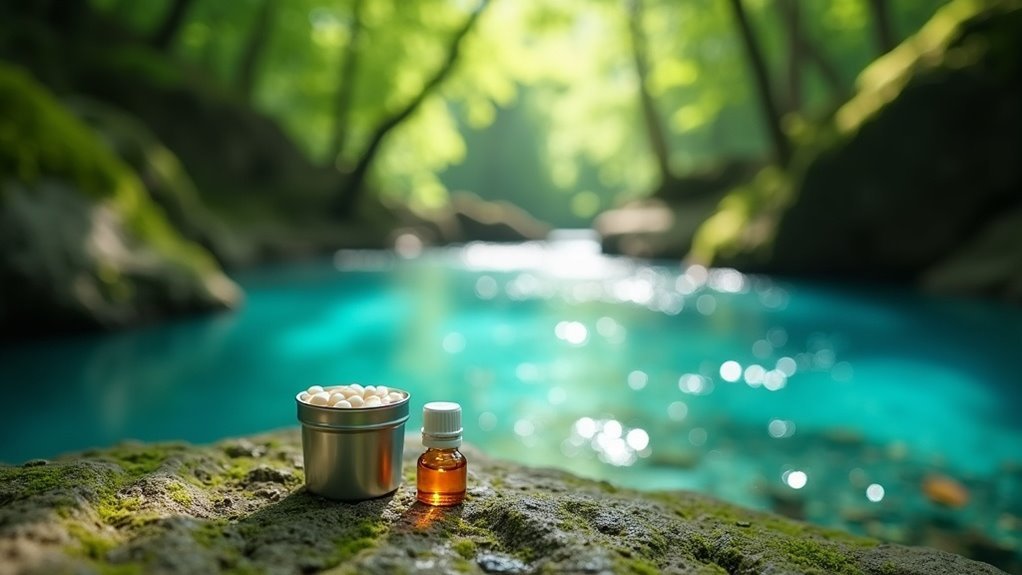
When choosing between water purification tablets and drops for survival situations, it’s essential to evaluate effectiveness, taste, and shelf life. Tablets act quickly, making them ideal for immediate clean water needs, but they may require pre-filtering and can leave an unpleasant taste. On the other hand, drops are tasteless, provide broader purification capabilities, and boast an unlimited shelf life, making them a solid choice for long-term preparedness. If you’re in a survival scenario where quick access to clean water is critical, tablets may be more advantageous; however, for ongoing use and storage, drops are often preferred. Each method has unique advantages that are crucial to consider, especially regarding your long-term survival strategy and water purification requirements. There’s a wealth of information to further assist in making an informed decision.
Key Takeaways
- Water purification tablets are effective for quick water treatment, typically taking around 35 minutes, but they may leave an unpleasant taste. In contrast, purification drops offer a neutral flavor, making them more palatable for regular use.
- Purification drops provide a broader range of purification capabilities and do not necessitate pre-filtering for sediment or heavy metals, setting them apart from tablets.
- Tablets generally have a shelf life of 1 to 5 years, whereas drops like Purinize can last indefinitely, making them a superior choice for long-term storage and preparedness.
- In emergency situations, tablets can deliver rapid access to clean water, while drops are preferable for sustained use due to their better taste and effectiveness over time.
- Ultimately, the decision between tablets and drops hinges on your immediate needs, personal taste preferences, and overall long-term survival strategies.
Understanding Water Purification Tablets and Drops
When preparing for survival scenarios, it’s crucial to understand the differences between water purification tablets and drops.
Water purification tablets, such as Potable Aqua PA+, contain iodine and can treat up to 25 liters of water in 35 minutes, though they often leave an unpleasant taste.
On the other hand, drops like Aquamira use chlorine dioxide to purify up to 112 liters in just 20 minutes without any lingering taste, making them a preferred choice for many preppers.
While tablets are compact and economical, they don’t eliminate sediment or heavy metals, making pre-filtering necessary for optimal safety.
Additionally, Purinize drops boast an unlimited shelf life, although they require a longer purification time of 60 minutes, which should be factored into your emergency preparedness plans.
Understanding these differences can help you make informed decisions for your survival kit.
Advantages of Using Water Purification Tablets
While both water purification tablets and drops serve the essential function of making contaminated water safe to drink, the advantages of tablets make them a must-have for your emergency preparedness kit.
| Feature | Description | Benefit |
|---|---|---|
| Fast Treatment Time | Treats water in just 35 minutes | Provides quick access to safe drinking water in critical situations |
| Lightweight and Portable | Weighs only 0.35 ounces | Easy to pack in survival kits without adding extra weight |
| Effective Against Microorganisms | Targets bacteria and viruses | Ensures your water source is safe, vital for health during emergencies |
| Long-Term Storage | Shelf life of 1 to 5 years | Reliable and ready for use when you need it most |
With straightforward dosage calculations, water purification tablets are an efficient solution for ensuring effective water treatment, making them an essential tool for any survivalist or prepper.
Benefits of Water Treatment Drops
Water treatment drops provide essential benefits for survivalists and preppers, making them an excellent choice for purifying drinking water in various situations. Their swift and straightforward application ensures you have access to clean drinking water when you need it most.
Here are some key advantages:
- Chemical efficiency: Employ chlorine dioxide for powerful and effective purification, critical in survival scenarios.
- No residual taste: Enjoy water that isn’t only safe but also pleasant to drink, which is important for maintaining morale during challenging times.
- Unlimited shelf life: Store these drops long-term without concerns about degradation, ensuring you’re always prepared for emergencies.
- Lightweight design: Their compact size makes them easy to carry, whether you’re on the move or stocking up for extended periods.
With precise dosing capabilities, water treatment drops enhance your flexibility and readiness, ensuring that you’re equipped to handle any situation that demands access to safe water.
Comparing Effectiveness of Tablets and Drops
Assessing the effectiveness of water purification methods is crucial for survivalists and preppers who prioritize clean water access in emergencies.
Water purification tablets, such as Potable Aqua PA+, take approximately 35 minutes to treat water, whereas Akimira drops can purify it in just 20 minutes. Both options utilize chlorine dioxide to effectively neutralize pathogens without leaving a chemical aftertaste, which many survivalists find advantageous.
Water purification tablets like Potable Aqua PA+ take 35 minutes, while Akimira drops can purify in just 20 minutes, both using chlorine dioxide.
However, tablets have the capacity to treat larger volumes—Potable Aqua PA+ can handle up to 25 liters—making them ideal for group situations when portability is essential.
While some tablets may degrade over time, Purinize drops boast an unlimited shelf life, offering a reliable solution for long-term preparedness and broader purification capabilities without the unpleasant taste associated with some chemical disinfectants.
Speed and Convenience in Water Treatment
When you need quick access to clean water in a survival situation, understanding the differences between purification tablets and drops can greatly influence your choice.
- Purification drops, like Akimira, can treat water in just 20 minutes, making them ideal for urgent scenarios.
- Tablets, such as Potable Aqua PA+, require 35 minutes to purify 25 liters, which could be critical time in an emergency.
- Drops typically lack the unpleasant chemical taste often found in tablets, making them more palatable for extended use.
- Tablets are compact and easy to store, which makes them a reliable option for your emergency kit.
While tablets may offer a longer shelf life for long-term preparedness, purification drops stand out for their speed and convenience, providing a faster purification method without compromising on quality.
Assess your specific survival needs and priorities when choosing the best option for your water treatment strategy.
Shelf Life and Storage Considerations
When it comes to shelf life, water purification tablets typically last between 1 to 5 years, while some liquid treatments like Purinize can remain effective indefinitely under optimal conditions.
To ensure their reliability during emergencies, it’s crucial to store these tablets in a cool, dry environment, as exposure to heat and moisture can significantly diminish their potency.
Regularly checking expiration dates and rotating your stock are essential practices for preparedness, ensuring you have dependable treatment options ready when survival situations arise.
Shelf Life Comparison
When it comes to water treatment options for survival and prepping, selecting between tablets and drops is often driven by their immediate effectiveness.
However, their shelf lives and storage requirements are just as vital for ensuring readiness in the long term.
- Water purification tablets, such as Potable Aqua PA+, typically last around 4 years, making them a reliable choice for medium-term preparedness.
- Akima treatment drops, on the other hand, can last over a decade when stored properly, providing an excellent option for extended survival situations.
- Clorox bleach, while commonly used for emergency water treatment, has a shorter shelf life of about 1 year, which may not be ideal for long-term storage.
- Purinize treatment drops stand out with an unlimited shelf life, thanks to their natural composition, making them a go-to for those serious about long-term water purification solutions.
It’s essential to note that improper storage can significantly reduce the shelf life of these products.
Therefore, choosing the right water treatment solution that aligns with your long-term preparedness strategy is crucial for survivalists and preppers.
Best Storage Practices
To ensure the longevity and effectiveness of your water treatment options while preparing for any survival scenario, it’s essential to adhere to best storage practices.
Store water purification tablets, such as iodine and chlorine dioxide tablets, in a cool, dry location that’s shielded from direct sunlight. High temperatures and humidity can significantly diminish their shelf life and potency, which could be critical in an emergency situation.
Keep chlorine dioxide tablets in their original packaging until the expiration date to maintain their efficacy. Regularly check expiration dates to guarantee reliable water treatment, as some products, like bleach, can degrade rapidly within 6-18 months.
Choosing the Right Option for Your Needs
When selecting between tablets and drops for water treatment in survival situations, it’s essential to consider how urgently you need access to clean water and the taste implications of each option.
Tablets can purify water more rapidly, which is crucial in emergency scenarios, but they may leave a chemical aftertaste that could be unappealing during extended survival situations.
On the other hand, drops generally offer a more neutral flavor, making them preferable for long-term use, but they may take longer to effectively treat water.
Ultimately, your choice should reflect your immediate needs for clean water and personal preferences regarding taste and treatment duration, ensuring you’re prepared for any situation.
Treatment Speed Comparison
Choosing the right water treatment option is crucial for survival, especially in emergency situations where access to clean water can mean the difference between life and death.
Understanding treatment speeds is essential in ensuring you’re prepared.
- Water purification tablets typically require 30 to 35 minutes to effectively treat water.
- Katadyn Micropur Tablets are a quick option that can purify water in as little as 30 minutes, making them a solid choice for preppers on the go.
- Akimira treatment drops have a faster reaction time of about 20 minutes, although some formulations may take up to 60 minutes for complete purification.
Careful consideration of treatment times is vital to ensure you have potable water available when you need it most.
In the world of survivalism, being aware of the speed at which different tablets and drops work can greatly enhance your ability to manage chemical water treatment in urgent circumstances.
Always be prepared and know which options will serve you best in a crisis.
Taste and Aftertaste Factors
When selecting a water treatment option for survival situations, taste and aftertaste are crucial factors that can greatly impact your willingness to consume treated water.
Water purification tablets often leave an unpleasant chemical taste, which can hinder your hydration efforts during critical times. In contrast, drops containing Chlorine dioxide, such as Akimira and Purinize, are recognized for their taste neutrality, making them a more appealing choice for many preppers.
Tablets like Potable Aqua PA+ strive to minimize aftertaste while effectively neutralizing pathogens.
For long-term use in survival scenarios, it’s essential to consider how these taste factors may influence your decision between tablets or drops, ensuring a more pleasant and sustainable hydration experience when resources are limited.