Yes, carbon monoxide can linger in your home even after shutting off heaters, particularly if appliances are malfunctioning or if there is inadequate ventilation. This colorless, odorless gas can accumulate in areas such as heat exchangers or from other household sources, posing serious health risks that can compromise your survival. To ensure your safety, it’s essential to be proactive. Installing carbon monoxide detectors is a crucial step, but regular maintenance and preparedness are vital. As a prepper, you should be aware of the risks and take critical measures to prevent exposure, ensuring a safe and healthy living environment for you and your family.
Key Takeaways
- Carbon monoxide (CO) can linger in enclosed spaces even after heaters are turned off, due to previous emissions during operation, posing a serious survival risk.
- Poor ventilation can exacerbate CO accumulation, making it crucial for preppers to ensure adequate airflow in their living environments.
- CO can become trapped in heating systems, especially if there are issues like cracked heat exchangers, which could compromise safety in a survival situation.
- It’s essential for preppers to monitor CO levels with detectors, particularly after using heating appliances, to ensure a safe living space.
- Regular maintenance of HVAC systems is vital for reducing the risk of lingering CO, helping to maintain a safe and prepared environment for any emergency.
Understanding Carbon Monoxide and Its Properties
Carbon monoxide (CO) is a silent threat that can accumulate in your home without warning, making it a crucial concern for survivalists and preppers. This colorless, odorless gas is produced during incomplete combustion of fuels, rendering it undetectable by your senses.
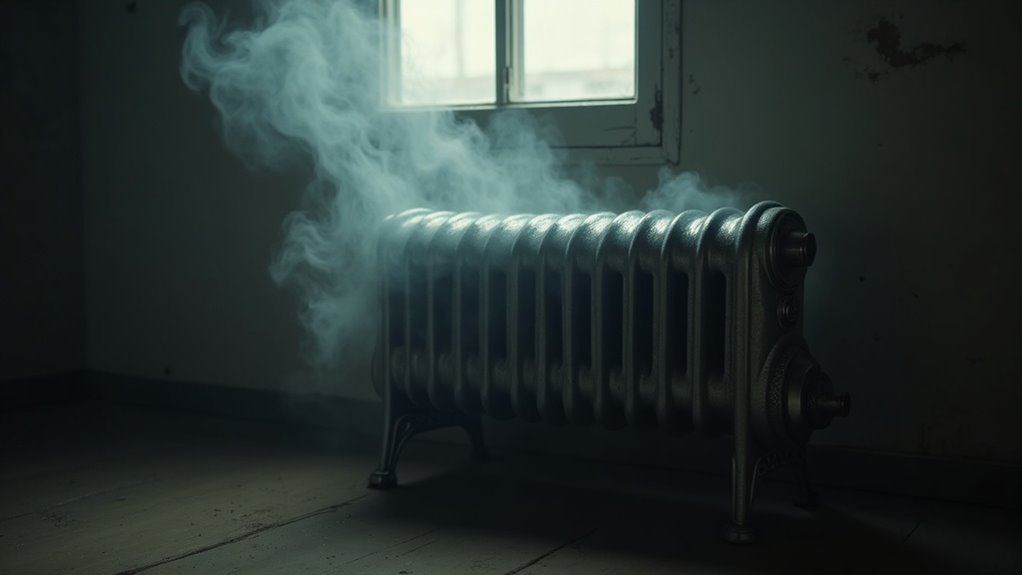
Residual carbon monoxide can linger in your heating system, particularly in the heat exchanger, even after shutting off the heater. If the heat exchanger is cracked, CO may flow into your living spaces, significantly increasing the risk of exposure.
To combat this danger, ensure your ventilation system is functioning properly and conduct regular maintenance on gas appliances. Being aware of CO’s properties and taking proactive measures is vital for maintaining a safe home environment, especially in preparedness for emergencies.
Sources of Carbon Monoxide in Your Home
In a survivalist context, it’s crucial to be aware that common household appliances, such as gas stoves and clothes dryers, can become potential sources of carbon monoxide if they malfunction or are inadequately vented.
Problems with your ventilation system, including blocked vents and cracked heat exchangers, can also result in dangerous CO buildup, posing a significant risk to your safety.
Understanding these sources is vital for maintaining a secure and prepared living environment, especially in scenarios where self-sufficiency and safety are paramount.
Regular maintenance and awareness of these risks can help ensure you remain safe in your home, even in challenging situations.
Common Household Sources
While many may overlook it, several common household appliances can pose serious risks, including the release of carbon monoxide (CO) in your home—especially critical for those focused on survivalism and prepping.
Fuel-burning appliances such as furnaces, water heaters, and fireplaces can produce CO during incomplete combustion, which can be especially dangerous in emergency situations. Gas ranges and clothes dryers contribute to emissions as well, particularly when not properly maintained.
Additionally, motor vehicles and small engines can emit CO, especially in enclosed spaces, which can be a concern during power outages or in makeshift shelters. Tobacco smoke is another source of CO risk indoors.
To safeguard yourself and your loved ones, it’s crucial to install CO detectors. These devices will alert you to elevated levels of CO from these various sources, helping to ensure a safer living environment when preparing for any unforeseen circumstances.
Ventilation System Issues
When ventilation systems fail to operate effectively, the risk of carbon monoxide (CO) accumulation in your survival space increases significantly.
Cracked heat exchangers and blocked vents can trap combustion gases, allowing CO to linger in your indoor air, which is particularly dangerous during emergencies. If gas appliances like water heaters and stoves aren’t properly ventilated, they can also elevate carbon monoxide levels, posing a severe threat to your safety.
Inadequate maintenance of ventilation systems exacerbates these risks, circulating harmful gases throughout your living areas.
To safeguard against CO exposure, ensure you have a functioning CO alarm in your prepper supplies and regularly inspect your ventilation system.
Address any potential issues before they escalate into hazardous situations, especially when self-sufficiency is crucial during a crisis.
How Carbon Monoxide Accumulates After Heater Shutdown
Even after a heater shuts down, carbon monoxide can accumulate in the system due to residual combustion gases trapped within the heat exchanger. This poses a significant risk for survivalists and preppers.
Here are several reasons why this can happen:
- Cracked heat exchangers may allow carbon monoxide to escape into indoor living spaces, which can be particularly dangerous in a survival situation where every resource counts.
- Inadequate ventilation systems can fail to expel residual gases properly, increasing the risk of poisoning when relying on alternative heating methods.
- Blocked vents may force carbon monoxide back into the furnace system, creating a hazardous environment in your prepared shelter.
- Without functioning carbon monoxide detectors, residents may not be alerted to dangerous levels, making it crucial to have backup detection systems in place.
Understanding these factors is essential for survivalists to prevent carbon monoxide poisoning and ensure that your home remains a safe haven, even after the heater is turned off.
Always prioritize safety measures in your prepping plans.
Health Risks Associated With Lingering Carbon Monoxide
Lingering carbon monoxide (CO) in your survival space can pose significant health risks that are often overlooked in prepping discussions.
Even after shutting off your water heater, residual CO can remain in the heat exchanger, leading to increased carbon monoxide levels indoors. Exposure to CO may result in symptoms such as headache, dizziness, nausea, and fatigue, which can easily be mistaken for flu-like illnesses.
The CDC reports around 400 unintentional CO deaths annually in the U.S., underscoring the dangers associated with lingering CO in your environment. Prolonged exposure can lead to severe effects, including confusion or loss of consciousness—critical risks for those in survival situations.
Therefore, incorporating a carbon monoxide alarm into your preparedness plan is essential for ensuring the safety of you and your loved ones.
Importance of Carbon Monoxide Detectors
Carbon monoxide detectors are vital tools for survivalists and preppers, ensuring your shelter is safe from the lethal threat of carbon monoxide exposure.
Carbon monoxide detectors are essential for preppers, safeguarding your shelter from the deadly risks of CO exposure.
These devices enable you to identify hazardous CO levels before symptoms of poisoning manifest, allowing you to take swift action.
To enhance your safety and preparedness, consider the following guidelines:
- Install a CO detector within 10 feet of sleeping areas to ensure early detection while you rest.
- Equip every level of your shelter with at least one CO detector to maintain comprehensive coverage.
- Regularly test your CO alarms and replace batteries at least once a year to ensure they function when needed most.
- Remain vigilant regarding CO concentrations, as these detectors provide crucial early warnings that can prevent serious health risks and enhance your survival chances in any situation.
Steps to Ensure Safety and Prevent Exposure
To ensure safety and prevent carbon monoxide exposure in your survivalist preparations, it’s crucial to prioritize regular maintenance checks of your heating systems.
This practice helps identify potential issues, such as cracked heat exchangers, which can leak harmful gases.
Additionally, installing carbon monoxide detectors is essential for early detection, providing peace of mind in your off-grid or homestead environment.
Make these steps part of your preparedness plan to safeguard yourself and your loved ones against hidden dangers.
Regular Maintenance Checks
While many survivalists may prioritize food storage and self-defense, the importance of regular maintenance checks for heating systems shouldn’t be overlooked.
Neglecting this essential step can lead to serious safety hazards, including carbon monoxide exposure, which can jeopardize your preparedness efforts.
To ensure safety and improve indoor air quality in your survival shelter, follow these crucial steps:
- Schedule annual HVAC system checks to identify issues like cracked heat exchangers that could compromise your heating source.
- Clean or replace air filters regularly to maintain proper airflow and efficiency, ensuring warmth during emergencies.
- Inspect and clean flues and exhaust systems to prevent blockages that could lead to dangerous situations.
- Include a carbon monoxide inspection during maintenance to detect leaks early and safeguard your group from this silent threat.
Install Carbon Monoxide Detectors
To ensure the safety of your living environment in a survivalist context, it’s crucial to install carbon monoxide detectors in strategic locations throughout your home or survival shelter.
Place these detectors within 10 feet of sleeping areas to guarantee early detection of this silent threat. Opt for carbon monoxide alarms that meet UL 2034 or IAS 6-96 standards for reliability and effectiveness.
Regular maintenance is key; test your carbon monoxide detectors at least once a month and replace batteries annually, ideally during daylight savings time, to ensure they’re always operational.
Educate yourself on the symptoms of carbon monoxide poisoning, such as headaches, dizziness, and confusion, so you can respond swiftly if your alarm sounds.
Additionally, always ensure proper ventilation and air circulation in your living space to mitigate the risks associated with this dangerous gas.
Prioritizing these measures will enhance your preparedness and survival in any situation.