To insulate your cooler for extended periods, begin by measuring its interior dimensions and cutting high-quality closed-cell foam panels to fit snugly. Secure these panels with polyurethane glue and seal the edges with duct tape to prevent any air gaps that could compromise insulation. Pre-chill your cooler and its contents overnight with ice to maximize cooling efficiency. When loading the cooler, layer food with heavier items at the bottom to optimize space and maintain temperature. Opt for block ice instead of cubes, as it lasts significantly longer. Limit the frequency and duration of cooler openings to retain the cold air. For more survivalist tips on maintaining your cooler in the field, consider exploring additional resources.
Key Takeaways
- Invest in high-quality closed-cell foam insulation, securing it with durable polyurethane glue to bolster thermal resistance and longevity in your cooler.
- Seal the edges of the foam panels with duct tape to eliminate air gaps and prevent thermal bridges, ensuring maximum efficiency.
- Pre-chill your cooler and all contents overnight to significantly lower the internal temperature before packing, an essential step for optimal cooling.
- Strategically layer your food, placing heavier items at the bottom and surrounding them with block ice to enhance cooling efficiency and prolong freshness.
- Consider covering the cooler with a wet fabric or reflective material to improve insulation and minimize heat absorption, which is crucial for survival situations.
Essential Materials for Insulation
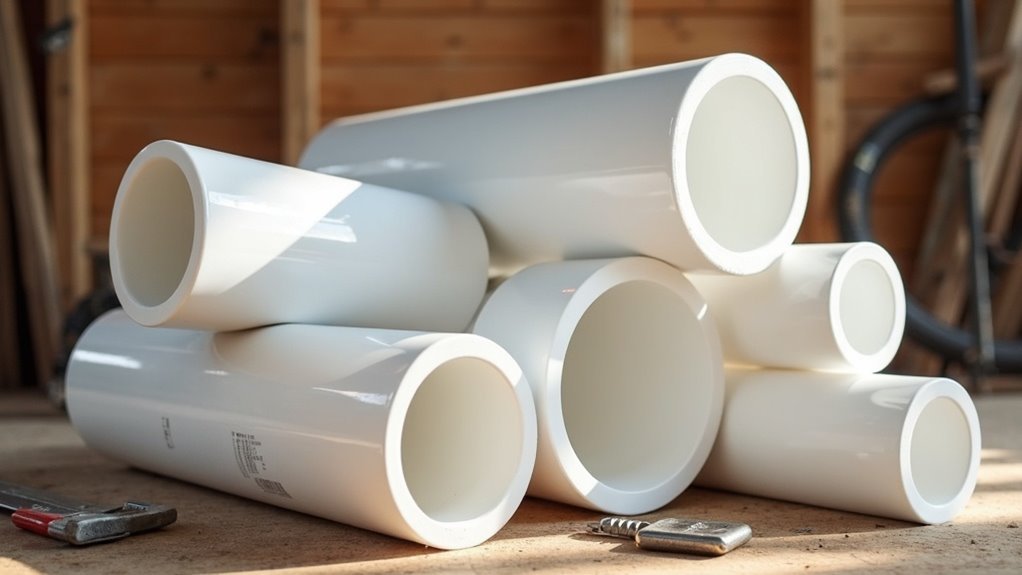
When you’re preparing to insulate your cooler for survival situations, choosing the right materials is crucial for optimal performance. Closed-cell foam insulation is highly recommended due to its durability and moisture resistance, making it ideal for various environments. Aim for a thickness of 1.5 to 3 inches, depending on your cooler’s size and the conditions you might face.
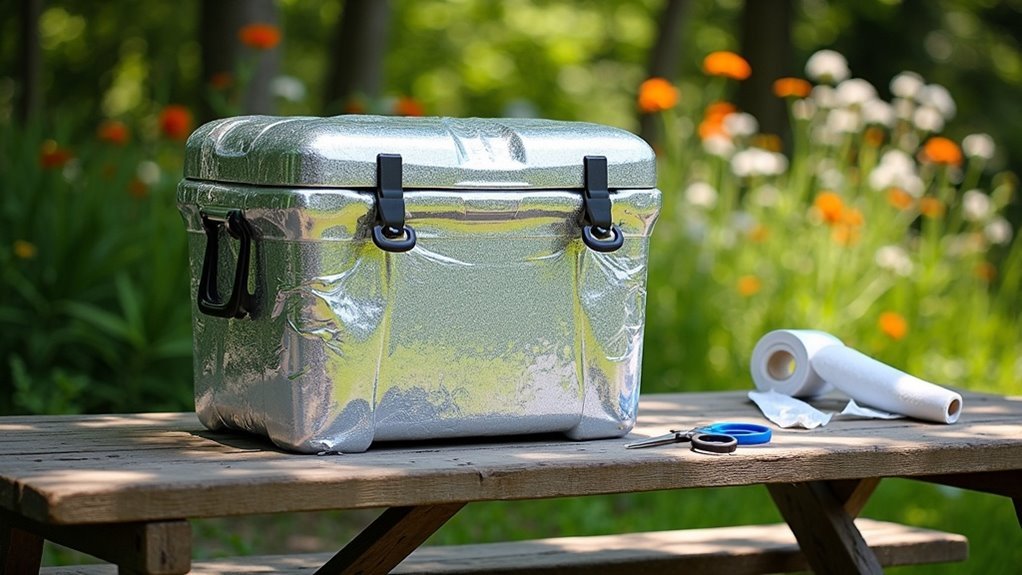
To enhance effectiveness, consider adding reflective materials like aluminized mylar to reduce heat absorption, which is particularly important for preserving food and supplies. Use polyurethane glue to firmly secure foam panels to the cooler’s walls, lid, and base, ensuring they withstand rugged use.
Finally, seal the edges of the foam with duct tape to prevent air gaps and thermal bridges, maximizing insulation efficiency for your cooler. Proper insulation can be a game-changer in survival scenarios, keeping your resources protected and extending their usability.
Step-by-Step Insulation Process
To effectively insulate your cooler for survival and prepping purposes, start by measuring its interior dimensions carefully to ensure that the foam panels fit snugly against the walls, lid, and base.
Opt for high-quality closed-cell foam for insulation, as it provides excellent thermal properties and moisture resistance—key factors for long-term storage of food and supplies.
Choose premium closed-cell foam for insulation, ensuring superior thermal performance and moisture resistance for food storage.
Cut the foam panels to size and secure them to the cooler‘s surfaces with a strong adhesive to withstand outdoor conditions.
Seal the edges with duct tape to prevent heat transfer and moisture infiltration.
Once insulated, test your cooler’s ice retention to evaluate improvements; this is crucial for ensuring your provisions stay fresh during extended trips or emergencies.
Regularly inspect for any loose edges or gaps, as maintaining the integrity of the foam is vital for peak cooling efficiency, which could be essential in a survival scenario.
Effective Packing Techniques
Packing a cooler efficiently is essential for maintaining your food and drinks during long trips, especially in survival and prepping scenarios.
Begin by pre-chilling your cooler overnight with bags of ice to lower its internal temperature, which is crucial for ensuring food safety.
Utilize durable, screw-top containers to prevent spills and contamination, which is paramount in survival situations.
Layer your food strategically, placing heavier items at the bottom and surrounding them with ice to minimize air pockets and enhance cooling efficiency.
Organize food in heavy-duty shopping bags or bins to keep it separate from melting ice, preventing sogginess and spoilage.
Limit cooler openings during the hottest parts of the day to conserve cold air, and consider using a separate cooler for beverages to maintain a stable, cold environment for your perishable food items.
Proper packing techniques can significantly extend the viability of your supplies, which is a key aspect of effective preparedness.
Managing Ice Retention
While you might think that keeping your cooler cold is solely about the amount of ice you use, effectively managing ice retention involves several strategic steps to ensure your supplies remain fresh during survival situations. Pre-chill your cooler and contents overnight to reduce their initial temperature, use block ice for longer-lasting results, and layer food and ice to minimize air voids, which is crucial for maintaining optimal conditions. Covering your cooler with wet fabric or mylar-coated bubble wrap can significantly enhance evaporative cooling, a useful technique in survival scenarios. Regularly check your ice levels and limit openings to preserve the cool environment for as long as possible.
| Strategy | Benefit |
|---|---|
| Pre-chill | Reduces initial temperature, enhances efficiency in food preservation |
| Block ice | Melts slower, ideal for extended survival situations |
| Layering | Provides better insulation, crucial for maintaining cold |
| Wet cover | Utilizes evaporative cooling, effective in hot conditions |
Best Practices for Cooler Maintenance
Maintaining your cooler is just as crucial as managing ice retention in survival situations. Regularly inspect the entire cooler for signs of damage, particularly around seals and hinges, to ensure maximum insulation and prevent any loss of cold air.
After each use, clean it thoroughly to eliminate any residue that could attract pests or lead to odors and mold, which can compromise food safety. Store your cooler in a cool, dry location when not in use to extend its lifespan and readiness for emergencies.
Cleaning your cooler after each use is essential to prevent odors and pests, ensuring food safety for future use.
During hot weather, consider using a reflective cover or towel to provide additional insulation against direct sunlight, helping to keep your supplies cooler for longer.
Lastly, pre-chill the cooler and its contents with ice or ice packs for several hours before adding food and drinks, significantly improving ice retention and ensuring your perishable supplies remain safe during critical times.