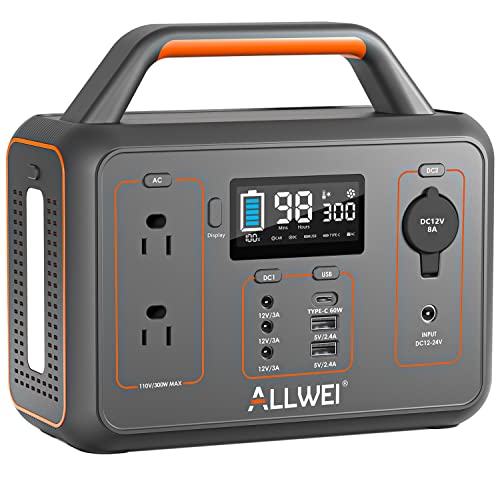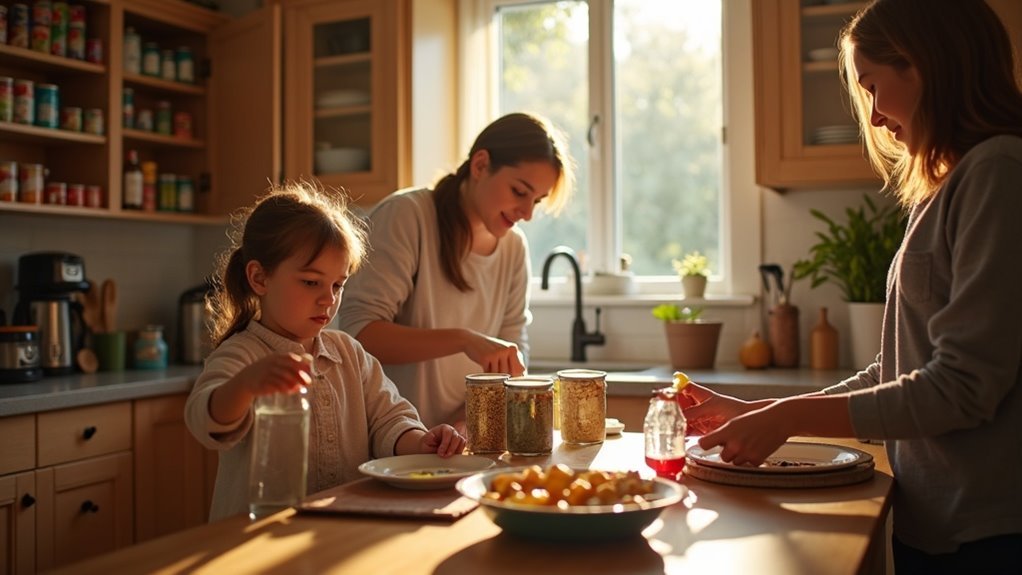
To integrate preparedness into daily life, begin by assembling a comprehensive emergency kit filled with vital supplies such as non-perishable food, water, first aid items, and tools for self-defense. Take stock of the gear and resources you already possess, and systematically enhance your inventory by adding a few essential items each week. Conduct regular emergency drills with your family to ensure everyone knows their role and can respond effectively in a crisis. Remain vigilant about seasonal threats and adjust your preparedness plans accordingly. By fostering a culture of situational awareness, you ensure you are equipped to handle unforeseen events and can continually refine your survival strategies.
Key Takeaways
- Integrate survivalist preparedness items into your regular grocery shopping by designating one crucial item each week to gradually enhance your survival kit.
- Perform routine home inspections to assess and inventory your survival supplies, ensuring they are functional, well-maintained, and ready for any crisis.
- Conduct emergency drills with your family at least twice a year to reinforce roles and response strategies for various survival scenarios.
- Stay informed about seasonal threats and adjust your survival kit accordingly, ensuring you have the necessary supplies for extreme weather and other potential emergencies.
- Develop situational awareness by consistently observing your surroundings and familiarizing yourself with local survival resources and emergency contact information.
Start With the Basics: Building Your Emergency Kit
Building a robust emergency kit is crucial for ensuring your family’s safety in times of crisis. Start by assembling a foundational emergency kit that includes non-perishable food, water (one gallon per person per day for at least three days), a reliable flashlight, a comprehensive first aid kit, and a multi-tool.
Aim for a 72-hour emergency kit to sustain each family member during natural disasters or evacuation scenarios. Adhere to FEMA guidelines by incorporating essential medications, hygiene products, and important documents stored in waterproof containers.
Regularly inspect and update your kit every six months, and strategically enhance it by acquiring one or two additional supplies during each grocery trip. This proactive approach to preparedness will bolster your family’s resilience in challenging situations, aligning with the principles of survivalism and prepping.
Assessing What You Already Have for Readiness
To assess your survival readiness, begin with a detailed walkthrough of your home, inspecting every room for non-perishable foods, first aid supplies, and tools that will bolster your emergency preparedness kit.
Pay special attention to closets, utility drawers, and garages, as these areas often conceal valuable items such as flashlights and batteries.
Compiling a comprehensive inventory of what you currently possess will help you pinpoint any deficiencies in your supplies and prevent unnecessary expenditures, ensuring you’re well-equipped for any situation.
Home Walkthrough Inventory
A comprehensive home walkthrough inventory is crucial for assessing your preparedness for emergencies and survival situations.
Begin by cataloging non-perishable food items and essential supplies stored in common areas like closets, garages, and basements. Look for vital resources such as flashlights, batteries, first aid kits, water purification systems, and thermal blankets that can enhance your survival readiness.
Compile a detailed list of these items, creating a solid foundation for your emergency plan and reducing the risk of unnecessary purchases. Make it a habit to regularly review your inventory to ensure all items remain functional and within their expiration dates, especially food and medical supplies.
Implement a checklist to streamline this process and ensure you have all critical gear and provisions needed for any potential crisis.
Existing Emergency Supplies
Identifying existing emergency supplies in your home is a crucial step in elevating your preparedness for unforeseen situations. Conduct a thorough walkthrough, checking closets, utility drawers, and garages for essential survival items like flashlights, batteries, first-aid kits, and non-perishable food.
Compile a comprehensive list of useful supplies to avoid unnecessary purchases, establishing a robust foundation for your emergency preparedness. Remember to assess the shelf life of food and medical supplies to ensure their effectiveness during critical scenarios.
Utilize what you have on hand to gradually construct an all-encompassing 72-hour kit, incorporating essentials such as water, food, and personal hygiene products you already own. This proactive approach will bolster your self-sufficiency and resilience in times of crisis.
Gradual Stocking: Adding Supplies Over Time
You can make emergency preparedness manageable by gradually stocking supplies during your regular grocery trips.
By aiming to add one or two essential items each week, you’ll build a robust survival kit without feeling overwhelmed.
Keeping a checklist and exploring budget-friendly options will help you stay organized and save money as you enhance your readiness for any situation.
Regular Shopping Habits
Integrating emergency preparedness into your regular shopping habits can be both practical and budget-friendly. By gradually stocking up, you can build your survival kit without straining your finances.
Consider these strategies:
- Designate one essential emergency item each week during your grocery trips to enhance your preparedness.
- Prioritize non-perishable food items such as canned goods, dried beans, and grains for long-lasting nutrition in any survival situation.
- Include essential survival tools like flashlights, multi-tools, or first aid supplies during your monthly shopping to ensure you’re well-equipped.
- Utilize a preparedness checklist to track your progress and avoid missing critical items that could be vital in an emergency scenario.
Budget-Friendly Options
While it may seem challenging to build a comprehensive emergency preparedness kit on a budget, a gradual approach can make the process both manageable and cost-effective.
During each grocery trip, consider purchasing one or two essential survival items, such as canned goods, dehydrated foods, or first aid supplies. Seek out sales or bulk options at discount retailers or wholesale clubs to maximize your savings.
Maintain a checklist to track your inventory and identify what you still need, prioritizing cost-effective and high-utility items. Establishing a monthly budget for these purchases can help you avoid large upfront costs.
Moreover, engaging with community groups focused on survivalism can provide access to shared deals and resources, further enhancing your budget-friendly preparedness efforts.
Essential Items Checklist
Creating an essential items checklist is a vital component of your emergency preparedness strategy. Begin with a focused approach—gradually accumulate supplies during your weekly grocery trips, which helps maintain your budget.
Regularly evaluate your home for items you already possess that can enhance your survival kit.
Here are some critical essentials to include in your preparedness arsenal:
- Non-perishable food items suitable for long-term storage
- Clean drinking water
- A comprehensive first aid kit
- Reliable flashlights and extra batteries
Ensure your checklist remains current to monitor what additional supplies you need.
Engaging in Regular Emergency Drills
Engaging in regular emergency drills is crucial for ensuring your household is well-prepared for unexpected situations in the context of survivalism and prepping.
Conduct these drills at least twice a year, involving every family member, including pets, to foster a clear understanding of roles.
Simulate various scenarios such as fires, floods, and power outages, as well as more extreme situations like civil unrest or natural disasters, to rigorously test your emergency plan and identify any weaknesses.
After each drill, hold a debriefing session to discuss successes, areas for improvement, and emotional responses to enhance your family’s resilience.
Keeping the drills varied and engaging not only maintains interest but also builds essential skills and confidence, ultimately reducing fear and anxiety when facing real emergencies.
Adapting Plans for Seasonal Challenges
As the seasons change, it’s essential for survivalists and preppers to adapt their emergency plans to tackle the unique challenges each season presents.
Neglecting to do so can leave you vulnerable during critical times. Here are key considerations to enhance your preparedness:
- Stock up on non-perishable food and water during hurricane season to ensure you have enough supplies to last through potential disruptions.
- Ensure you have adequate heating supplies, like firewood and fuel, as well as winter clothing to stay warm during severe winter storms.
- Update your emergency kits with essential items like flashlights, weather radios, and extra batteries during spring and summer, when storms are more likely to occur.
- Regularly assess and replenish your vehicle’s emergency supplies, including blankets, snacks, and first-aid kits, to ensure you’re ready for any roadside emergencies.
Cultivating Awareness of Your Surroundings
How often do you take a moment to observe your surroundings? Practicing situational awareness is crucial for survivalism and prepping, as it helps identify potential hazards like blocked exits or suspicious activity.
Familiarize yourself with local emergency resources, such as fire hydrants, hospitals, and potential safe havens, to ensure you can act quickly during a crisis. Engage in community workshops on disaster preparedness and survival tactics to better understand local risks and how to mitigate them.
Regularly update your emergency contact information and keep it easily accessible for efficient communication. Incorporate daily habits that enhance your awareness, such as taking different routes to work or school and observing changes in your environment, which will sharpen your ability to recognize potential threats and improve your overall preparedness.