To effectively prepare for household load shedding in the context of survivalism and prepping, start by understanding your utility’s schedule and peak hours. Assemble essential survival supplies like batteries, water, and non-perishable food items that can sustain you for an extended period. Consider downloading reliable load shedding apps for real-time updates, and connect with community groups focused on preparedness for information sharing and support. Set up backup power solutions, such as solar generators or power banks, to keep critical devices operational during outages. Additionally, plan simple, no-cook meals that require minimal resources and can be easily prepared. There’s much more to explore about enhancing your preparedness and ensuring your household’s resilience in the face of power interruptions.
Key Takeaways
- Evaluate your household’s energy requirements and identify critical appliances to prioritize during load shedding to ensure your survival preparations remain intact.
- Stockpile a robust supply of non-perishable foods and essential emergency supplies to sustain yourself and your family during outages.
- Utilize load shedding apps for real-time updates and notifications on outages, allowing you to stay informed and ready for any disruptions.
- Create a strategic meal preparation plan that reduces cooking requirements during outages, ensuring you have adequate nourishment without relying on power.
- Implement a communication network with family and neighbors to effectively exchange information and resources, fostering a community of preparedness.
Understanding Load Shedding
When you understand load shedding, you can better prepare your household for its impacts, especially in a survivalist context.
Load shedding is a controlled strategy used by utility companies, like the Electric Reliability Council of Texas (ERCOT), to balance electricity supply and demand during critical times. During peak hours, particularly from 5 a.m. to 8 a.m. and 4 p.m. to 9 p.m., extreme weather conditions can trigger these outages.
Load shedding is a strategy by utility companies like ERCOT to manage electricity supply and demand during critical peak hours.
Involuntary load shedding often serves as a last resort to maintain grid stability, preventing a complete power loss. Temporary outages can occur until ERCOT assesses and improves conditions, affecting all areas they service.
As a prepper, it’s essential to stay informed through your utility provider for updates and develop a plan to manage power outages effectively.
Consider investing in alternative energy sources, such as solar panels or generators, and stock up on essential supplies to ensure you and your family can remain self-sufficient during these challenging times.
Essential Preparations for Outages
Preparing for power outages requires a proactive approach to ensure your household remains secure and self-sufficient. Here are essential preparations to consider for survivalism and prepping:
- Check and maintain backup batteries for alarm systems and critical devices to ensure they function when needed.
- Gather alternative lighting options such as torches and solar-powered lights, and have them easily accessible in multiple locations.
- Charge essential devices like cellphones, laptops, and radios in advance, and invest in reliable power banks for extended use during emergencies.
- Build a stockpile of bottled water and non-perishable food items, ensuring you have enough supplies to last through extended outages and unforeseen circumstances.
Utilizing Load Shedding Apps
How can you stay prepared for power outages using technology? Load shedding apps are invaluable tools for survivalists and preppers looking to manage their energy needs during outages.
Begin by downloading a reliable app that offers real-time updates on scheduled power cuts in your region. Set up notifications to keep you informed about any changes to the schedule or unexpected outages, ensuring you can adapt your plans quickly.
Utilize mapping features to pinpoint affected areas, allowing you to organize your activities and resources effectively. Engaging with community groups within the app encourages collaboration, enabling you to exchange strategies and insights with fellow preppers in your neighborhood.
Make it a habit to regularly check for updates, particularly during extreme weather events or peak demand periods, to maintain your preparedness and resilience.
Stocking Up on Supplies
When preparing for load shedding, it’s crucial to prioritize essential non-perishable foods, battery-powered lighting solutions, and comprehensive first aid kits.
Stocking these survival supplies ensures you can sustain nourishment, maintain visibility, and ensure safety during outages.
Essential Non-Perishable Foods
While unexpected power outages can significantly impact your preparedness efforts, having a strategically curated stock of essential non-perishable foods is crucial for survival.
Consider these key items to enhance your readiness and manage your electric load effectively:
- Canned Goods: Stock up on a variety of vegetables, beans, and soups that have a shelf life of 2-5 years, providing vital nutrients during emergencies.
- Dry Staples: Items like rice, pasta, and lentils can last indefinitely when stored in a cool, dry environment, ensuring you have a reliable food source.
- Nut Butters: Whole grain crackers and nut butters aren’t only rich in protein and healthy fats but can also last 6-12 months, making them an excellent choice for energy-dense snacks.
- Shelf-Stable Dairy Alternatives: Options such as powdered or plant-based milk can last up to 1 year, providing flexibility in your food preparation and nutrition.
Battery-Powered Lighting Options
To ensure your home stays illuminated during power outages, it’s essential to invest in reliable battery-powered lighting options as part of your preparedness strategy.
LED lanterns and flashlights are highly energy-efficient, providing hours of light with minimal battery usage—crucial for survival situations. Opt for rechargeable models that can be charged ahead of time, reducing your dependence on disposable batteries and ensuring you’re ready for any emergency.
For outdoor areas, solar-powered lights are an excellent choice, utilizing sunlight to provide illumination at night without drawing from your limited energy supplies.
Always keep spare batteries for all devices on hand, as a well-stocked supply can be a lifesaver during extended outages. Additionally, consider using battery-powered string lights; they not only enhance your space’s ambiance but also serve a practical purpose in maintaining visibility.
Prepare now to ensure you and your loved ones are safe and secure during unexpected power disruptions.
First Aid Kits
In the event of power outages, the risk of injuries or health concerns can significantly increase, making a well-stocked first aid kit a vital component of your survival and preparedness strategy.
To ensure you’re ready for emergencies, consider incorporating the following essential items into your kit:
- A variety of adhesive bandages, antiseptic wipes, gauze pads, and medical tape to treat common injuries efficiently.
- Emergency medications, including pain relievers, antihistamines, and any prescribed medications for all household members, to manage health issues that may arise.
- Critical tools such as a thermometer, scissors, tweezers, and disposable gloves, which are invaluable for handling a range of emergency situations.
- A comprehensive manual or guide outlining basic first aid procedures to enable effective management of injuries during outages.
Remember to regularly inspect and replenish your first aid kit to ensure you’re always prepared for any situation that may arise.
Being equipped is key to maintaining safety and health in uncertain times.
Setting Up Backup Power Solutions
How can you ensure your household remains powered during load shedding?
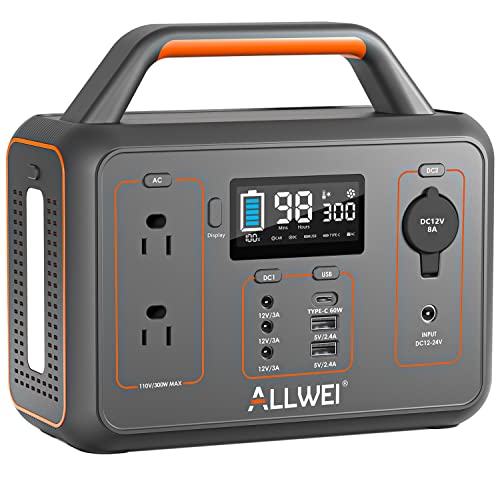
Begin by investing in a robust load shedding kit, like the EcoFlow RIVER Pro Solar Generator. With a capacity of 720Wh and a 600W AC output, it’s ideal for powering essential survival devices.
Assess your energy requirements by calculating the wattage of your appliances to ascertain the necessary battery capacity for your prepping needs.
Focus on solutions that offer rapid charging capabilities, such as the EcoFlow series, which can recharge in as little as one hour, ensuring you’re always ready for emergencies.
Finally, select backup power solutions from trusted manufacturers that provide warranties, guaranteeing reliability and support during outages, which is crucial for any survivalist or prepper.
Meal Planning During Outages
When planning meals during outages, prioritize non-perishable food options that require minimal cooking to ensure you can sustain yourself and your family.
Utilize simple techniques, such as cooking on a gas stove or grill, which can help you prepare meals efficiently even in challenging situations.
Implementing meal prep strategies, such as batch cooking and freezing, will ensure you have nutritious options readily available when the power goes out, reinforcing your preparedness for any emergency scenario.
Non-perishable Food Options
Planning for power outages is an essential aspect of survivalism and prepping, especially when it comes to assembling a reserve of non-perishable food options.
To ensure you have ample meals during outages at home or in your preparedness stockpile, consider these critical items:
- Canned Goods: Build a diverse stockpile of canned vegetables, fruits, and proteins to sustain your nutritional needs.
- Dry Grains and Pasta: These staples are vital for providing necessary carbohydrates to fuel your body during challenging times.
- Legumes: A long-lasting and excellent source of protein, legumes are a must-have for any prepper’s food supply.
- Freeze-Dried Meals: Ideal for emergency situations, these meals can be prepared quickly with just water, making them a convenient option.
To maintain a reliable food supply, regularly rotate your stock, monitor expiration dates, and consume items that are nearing their end.
This practice will help ensure you’re always prepared with fresh and nutritious food during unexpected power outages.
Simple Cooking Techniques
Effective meal planning during power outages is crucial for survival and maintaining nutrition while minimizing stress. Focus on meals that require little to no cooking, such as salads, sandwiches, and wraps, to reduce reliance on electrical appliances.
Prepare large batches of meals in advance and freeze them for easy access when the power goes out. Utilize a gas stove or portable gas burner for cooking, ensuring you stock up on ample gas supplies.
Consider no-cook options, such as canned goods and fresh fruits, which are essential for preparedness. Investing in thermal flasks can keep pre-cooked meals hot for hours, providing comfort and sustenance during outages.
Always be ready and equipped to handle unforeseen situations by planning your meals wisely.
Meal Prep Strategies
To navigate power outages successfully, it’s essential to adopt strategic meal prep methods that ensure you maintain nutrition and minimize stress during emergencies.
Here are some effective meal prep strategies tailored for survivalism and prepping:
- Plan meals that require minimal cooking, focusing on salads and cold dishes that can be easily assembled without heat.
- Prepare and freeze meals in advance; a fully stocked freezer can keep food safe for up to 48 hours, providing you with reliable options during outages.
- Utilize non-perishable food items such as canned goods, dried fruits, and freeze-dried meals to ensure you have nutritious options that don’t require refrigeration.
- Batch cook using a gas stove or portable burner, and store hot water in thermal flasks to provide warm meals when the power goes out.
Communicating During Emergencies
How can you ensure your family remains connected during power outages? Start by leveraging mobile communication apps and social media for real-time updates on outages and emergency information.
Create a comprehensive list of essential contacts, including local emergency services and ERCOT, keeping copies both digitally and on paper for redundancy.
Regularly monitor your electric provider or load shedding app for any schedule changes. Encourage your family to charge devices in advance and limit usage to conserve battery life for critical communications.
Additionally, establish a neighborhood communication group to share information and coordinate efforts.
This proactive approach not only enhances your family’s preparedness but also strengthens your community’s resilience during unexpected power disruptions, ensuring effective communication in times of crisis.