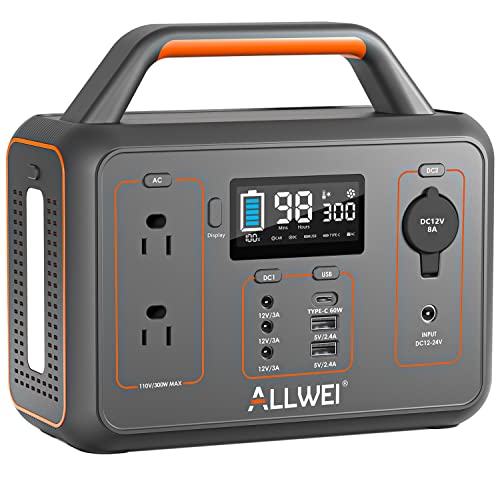
To set up a solar trickle charger for your survival kit, first, choose a 20W charger that is compatible with your battery’s voltage and type, such as 12V lithium or lead-acid. Position the solar panel in a location that receives direct sunlight to maximize energy absorption. Carefully connect the leads to the battery, making sure to maintain correct polarity to avoid any potential damage. Utilize high-quality wiring and secure all connections with insulation to prevent any interruptions in power.
It’s crucial to regularly monitor the battery’s voltage and inspect connections for any signs of corrosion, as maintaining your equipment is essential for long-term survival. For added stability during travel or in rugged conditions, consider using rare earth magnets to secure the solar panel in place. By following these steps, you can ensure your solar trickle charger operates efficiently and supports your preparedness efforts in any situation.
Key Takeaways
- Choose a solar trickle charger that is compatible with your battery’s voltage and type, ensuring it includes features like overcharge protection and voltage regulation to safeguard your power supply.
- Position the solar panel in a sunny area, free from obstructions that could block sunlight. Secure it using reliable methods like rare earth magnets or sturdy brackets for stability in various weather conditions.
- Connect the solar panel leads to the battery, paying close attention to correct polarity to avoid damage, and use an appropriate wire gauge to ensure safe and efficient connections.
- Regularly monitor battery voltage, keeping it above 12.4 volts to maintain readiness, and frequently check the solar panel’s positioning to ensure it captures optimal sunlight for effective charging.
- Store the charger in a dry location to prevent moisture damage, organizing cords to avoid tangling, and regularly inspect all connections for cleanliness and corrosion to ensure reliable operation in emergency situations.
Selecting the Right Solar Trickle Charger
When selecting the right solar trickle charger for your survival and prepping needs, how do you ensure it meets your specific requirements?
Begin by confirming that it matches your battery’s voltage and amperage needs, which is often 12V for RVs, boats, and emergency power supplies.
Choose a charger designed for your specific battery type—lithium or lead-acid—because they’ve different charging profiles that can affect performance in critical situations.
Selecting a charger tailored for your battery type—lithium or lead-acid—is crucial for optimal performance during emergencies.
Look for models that include built-in overcharge protection and voltage regulation to prevent damage to your battery, which is essential for reliability during emergencies.
A 20W solar panel is typically effective for trickle charging and can provide a consistent power source when traditional methods fail.
Lastly, check user reviews and ratings to ensure the solar trickle charger’s reliability and performance in real-world scenarios, confirming it will function as expected when you need it most.
Installation Process for Your Solar Panel
To install your solar panel for survival and prepping purposes, begin by selecting a strategic location that maximizes sunlight exposure, ensuring it’s also discreet and secure from potential threats.
Next, connect the solar panel leads to your battery terminals using alligator clamps, making sure to observe the correct polarity to avoid any electrical mishaps.
Finally, secure the panel with rare earth magnets or brackets to prevent it from detaching during use, ensuring it remains operational even in adverse conditions.
Having a reliable solar power source can be crucial in emergency situations.
Choosing Ideal Location
Where can you find the perfect spot for your solar panel in a survival situation? Select a location that maximizes sunlight exposure and is free from obstructions like trees or buildings. Ideally, mount your panel on a flat surface or at an angle to capture direct sunlight efficiently, ensuring that your energy source remains reliable during emergencies. Secure it firmly using bolts or rare earth magnets to withstand storms and other environmental challenges. Consider placing it on a trailer tongue or vehicle roof for easy accessibility and clean wire management, which is crucial in a survival scenario. Regular maintenance is essential; a clean panel absorbs sunlight effectively, providing you with the energy needed for essential survival tasks.
| Aspect | Recommendation | Notes |
|---|---|---|
| Sunlight Exposure | Full sun, no shadows | Check daily for optimal performance |
| Mounting Angle | Flat or angled for direct sunlight | Adjust seasonally for maximum efficiency |
| Security | Use bolts or rare earth magnets | Ensure stability during storms and adverse conditions |
| Location | Trailer tongue or vehicle roof | Provides easy access and promotes aesthetic appeal for your setup |
Connecting to Battery
With your solar panel securely positioned for optimal sunlight exposure, the next step is crucial for ensuring your survival preparedness: connecting it to your battery.
Utilize alligator clamps to securely attach the solar charger leads to the battery terminals: connect the positive (red) lead to the positive terminal and the negative (black) lead to the negative terminal.
If you’re working with a trailer or RV, it may be beneficial to remove the battery vent screws to facilitate a neat wiring setup.
Once connected, keep a close eye on the voltage levels; you should observe an increase, indicating that charging has commenced.
Always adhere to the manufacturer’s guidelines for your specific solar trickle charger to ensure a safe and efficient connection, reinforcing your self-sufficiency in any situation.
Securing Solar Panel
Securing your solar panel is crucial for maintaining its stability and functionality, particularly during extreme weather conditions. Start by utilizing powerful rare earth magnets for metal surfaces to ensure a firm hold. For additional security, consider bolting it to the kingpin of your vehicle or trailer, which provides enhanced stability during travel. Use command strips to neatly manage extension cords, preventing tangles and damage while on the move. For a clean and organized setup, thread the cord through the battery vent. Lastly, connect the solar panel directly to your battery using alligator clamps, and keep an eye on voltage levels to ensure optimal performance.
| Method | Pros | Cons |
|---|---|---|
| Rare Earth Magnets | Strong grip, easy to reposition | Limited to metal surfaces |
| Bolting to Kingpin | Superior stability during transport | Requires tools and time |
| Command Strips | Organized and tidy installation | Adhesive may degrade over time |
Wiring Connections and Safety Precautions
Before you start making any wiring connections for your solar trickle charger, it’s crucial to ensure the charger is compatible with your battery type. Using an incompatible charger can’t only damage your battery but also hinder efficient charging, which is vital in a survival scenario.
Always disconnect the battery before wiring to prevent short circuits or electrical shocks, which can be hazardous in emergency situations.
Disconnecting the battery before wiring is essential to avoid short circuits and electrical shocks in emergencies.
Opt for proper wire gauge; a #12 gauge wire is ideal for long runs to reduce voltage drop, ensuring reliable power supply when you need it most.
Secure all connections with appropriate connectors and insulate them with heat shrink tubing or electrical tape to protect against moisture—this is especially important in outdoor or rugged environments.
Regularly inspect the wiring for wear and tear, ensuring connections remain tight and free from rust or debris, as maintaining your equipment is key to preparedness and self-sufficiency.
Enhancing Stability With Rare Earth Magnets
To bolster the stability of your solar panel setup during emergencies, consider using rare earth magnets for secure mounting.
These powerful magnets not only ensure resilience against severe weather but also facilitate quick installation and removal, making your solar system more versatile for survival situations.
Secure Solar Panel Mounting
Using rare earth magnets for securing your solar panel can greatly enhance its stability in various weather conditions, making it an ideal choice for survivalists and preppers.
Here’s how to effectively use them for solar panel mounting in your off-grid setup:
- Attach two rare earth magnets bolted to the solar panel for added security against harsh elements.
- Position the magnets on a metal surface, such as a sturdy roof rack or mounting bracket, for optimal grip and durability.
- Enjoy simplified installation, reducing the need for extra mounting hardware, which is essential when conserving resources in survival situations.
- Easily remove the solar panel when necessary, such as before travel or to secure it during extreme weather events.
Implementing this method can provide a reliable and flexible solution for harnessing solar energy in your preparedness efforts.
Storm Resistance Enhancement
When strong winds or storms threaten your solar setup, enhancing the stability of your solar panel becomes crucial for survival.
Attaching rare earth magnets provides a robust mounting solution, preventing detachment during high winds. The powerful grip of these magnets ensures your solar panel remains stable against vibrations caused by adverse weather, which is essential during a crisis.
You can strategically bolt two rare earth magnets to the solar panel and mount them to a metal surface, significantly boosting your storm resistance.
This method not only reduces the risk of damage during transit or extreme weather but also simplifies the process of mounting and dismounting when necessary, allowing you to remain prepared in any situation.
Easy Installation Technique
Enhancing the installation of your solar trickle charger with rare earth magnets not only simplifies the setup process but also significantly improves stability against harsh weather conditions, which is crucial for survival situations.
This method is easy to install and offers several advantages:
- Securely attach solar panels to metal surfaces, ensuring they remain in place during storms or emergencies.
- Bolt two rare earth magnets to the solar panel for a robust and reliable mounting solution.
- Minimize the need for complex mounting hardware, allowing for quick and efficient setup when time is of the essence.
- Benefit from versatile installation options, enabling easy removal and storage when the system isn’t in use, perfect for those who value preparedness and flexibility.
Monitoring Battery Performance and Maintenance
Monitoring battery performance and maintenance is crucial for ensuring the longevity and efficiency of your solar trickle charger system, especially in a survival or prepping context.
Regularly check the battery voltage with a multimeter; aim to keep it above 12.4 volts for optimal health. Additionally, inspect the solar panel’s positioning to maximize sunlight exposure, as this enhances charging efficiency, vital for maintaining power reserves.
Regular voltage checks and optimal solar panel positioning are essential for maximizing battery health and charging efficiency.
Periodically examine battery connections for cleanliness and corrosion, as these can impede charging and lead to degradation, which could be detrimental in a survival situation. Keep a log of voltage readings over time to identify trends or potential issues, ensuring you’re always prepared.
Lastly, utilize the solar charger during off-seasons to maintain battery health and prevent natural discharge, keeping your energy supply reliable when you need it most.
Tips for Storing and Securing Your Setup
Proper storage and securing of your solar trickle charger setup is crucial for ensuring its reliability and longevity, especially in survival situations.
Follow these tips to guarantee optimal performance while trickle charging:
- Store your charger in a dry, easily accessible location, such as the glove box or a dedicated survival kit compartment, to prevent damage during travel and ensure quick access in emergencies.
- Utilize rare earth magnets or robust mounting methods to secure the solar panel, ensuring it remains stable and operational during adverse weather conditions or while on the move.
- Neatly organize and tuck away excess cords using command strips or similar solutions to avoid tangling, which can lead to damage and lost energy efficiency.
- Regularly inspect and clean connections to prevent corrosion and power loss, ensuring your setup remains ready for use when you need it most.
Always remove and securely store the solar panel before travel to maintain organization and functionality within your survival gear.