A safety circle is a crucial aspect of survivalism and prepping, serving as a designated zone around you when using tools to prevent injuries during potentially dangerous tasks. It enhances your situational awareness and facilitates effective communication about risks in your environment. By understanding your safety circle, you can mitigate the chances of accidents caused by swinging tools, obstructions, or unexpected hazards. Establishing a clear safety zone is vital not only for your safety but also for those around you in high-stakes situations. Continue exploring to learn more about improving your tool handling practices and creating a safer environment in your preparedness endeavors.
Key Takeaways
- A safety circle is a crucial perimeter established around individuals engaged in survival tasks or tool usage to mitigate the risk of injuries from swinging or mishandling equipment.
- It enhances awareness of one’s surroundings, significantly reducing the chance of accidents caused by obstructions or distractions while handling essential survival tools.
- Establishing a safety circle is vital for clear communication regarding the dangers associated with using cutting or handling tools in survival situations.
- Regularly practicing the concept of safety circles helps instill strong safety habits, particularly in outdoor and survival scenarios where tools are frequently used.
- Safety circles also promote the importance of educating fellow survivalists about situational awareness, thereby improving overall group safety during critical tasks.
Definition and Importance of a Safety Circle
A safety circle is an essential zone established around you when using cutting or handling tools, especially in survival and prepping situations. This area ensures that no one enters while you’re engaged in potentially hazardous tasks, significantly reducing the risk of injury from swinging tools.
It’s vital to maintain awareness of your surroundings; any person or object within this circle could be at risk. Before initiating any cutting activity, it’s imperative to check for obstructions to keep the area clear.
Creating a safety circle also facilitates effective communication regarding tool usage risks, educating those around you on the importance of maintaining a safe distance.
Regularly practicing this concept instills good safety habits, ultimately fostering a safer environment during outdoor survival scenarios and prepping activities.
Safety Practices for Effective Tool Handling
When handling cutting tools in survival situations, prioritizing safety practices is crucial to prevent accidents and ensure a secure environment.
Always grip the blade, not the handle, for better control, especially when precision is required for survival tasks. Establish a clear safety circle around your cutting area, keeping individuals and equipment out of the danger zone created by the tool’s swing.
Regularly check for obstacles to minimize injury risks, particularly in outdoor or rugged environments. Educate fellow survivalists on the importance of the safety perimeter and the need for situational awareness during tasks.
If someone inadvertently enters the safety zone, stop using the tool immediately. Reinforcing these practices fosters a vigilant and safe cutting experience, which is essential in any survival scenario.
Establishing Your Personal Safety Circle
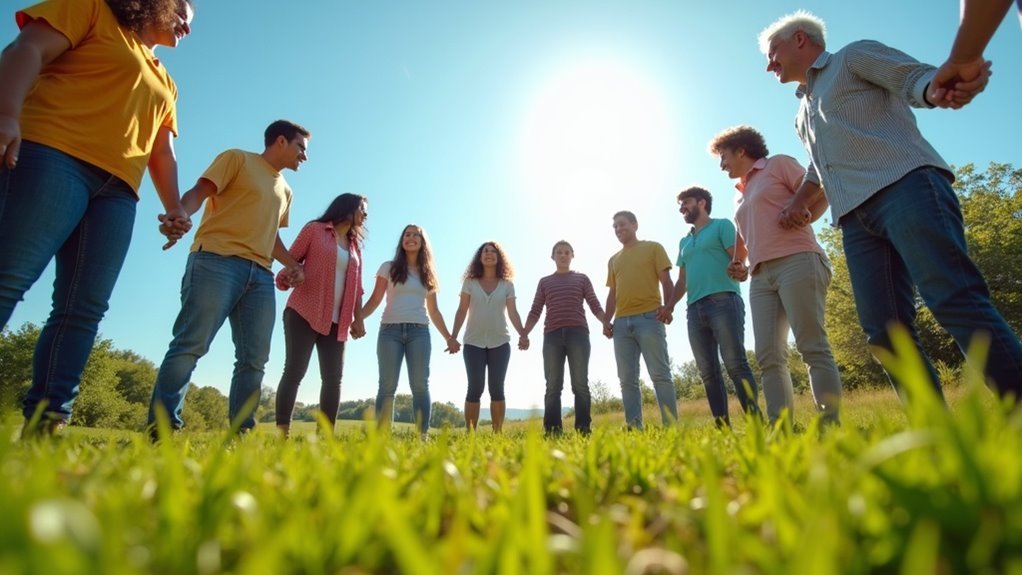
Establishing a personal safety circle is a crucial step in building a robust support system for survival situations and emergencies.
Begin by identifying trusted individuals, such as family members, close friends, and neighbors, who possess valuable skills or knowledge that can aid in crisis scenarios. Aim to include at least one person outside your immediate family to broaden your network of support.
You can visually represent your safety circle by writing their names on each finger of a hand drawing or within a drawn circle, ensuring you can easily recall who to turn to in times of need.
Regularly discussing your safety circle reinforces the importance of preparedness and fosters a sense of security in reaching out to those you trust when facing challenges.
Engaging Children in Safety Circle Activities
Engaging children in safety circle activities is crucial for building their understanding of personal safety and the importance of support systems. Here are four effective strategies to involve them:
- Diverse Support: Highlight the importance of including trusted adults in their safety circle, such as family members, teachers, and neighbors who can assist in emergencies.
- Boundary Education: Teach children to recognize safe and unsafe touch, using age-appropriate language to help them articulate their feelings about personal boundaries.
- Creative Learning: Incorporate hands-on activities like coloring or crafts to visually represent their safety circle, making the learning process enjoyable and memorable.
- Scenario Rehearsals: Conduct role-playing exercises to practice different scenarios where they may need to seek help, thereby enhancing their confidence and preparedness in real-life situations.
These activities not only reinforce the concept of a safety circle but also empower children with the knowledge and skills to protect themselves in various situations.
Real-Life Applications of Safety Circles in Various Contexts
Safety circles are crucial in various survival and prepping contexts, helping individuals establish boundaries and support networks.
In firearm training, they delineate a safe personal space, ensuring that the muzzle is directed away from others while participants assess potential threats.
For children, safety circles assist in identifying trusted adults to whom they can report any inappropriate behavior, fostering a sense of security.
In survivalist communities, these circles promote team cohesion and encourage open communication, creating a protective environment that enhances group preparedness.
During outdoor survival activities, safety circles are used to teach participants safe practices when handling tools, reducing the risk of accidents.
Furthermore, the Circle of Safety in prepping organizations underscores the importance of leaders cultivating environments that prioritize group well-being, ultimately boosting morale and productivity in emergency situations.