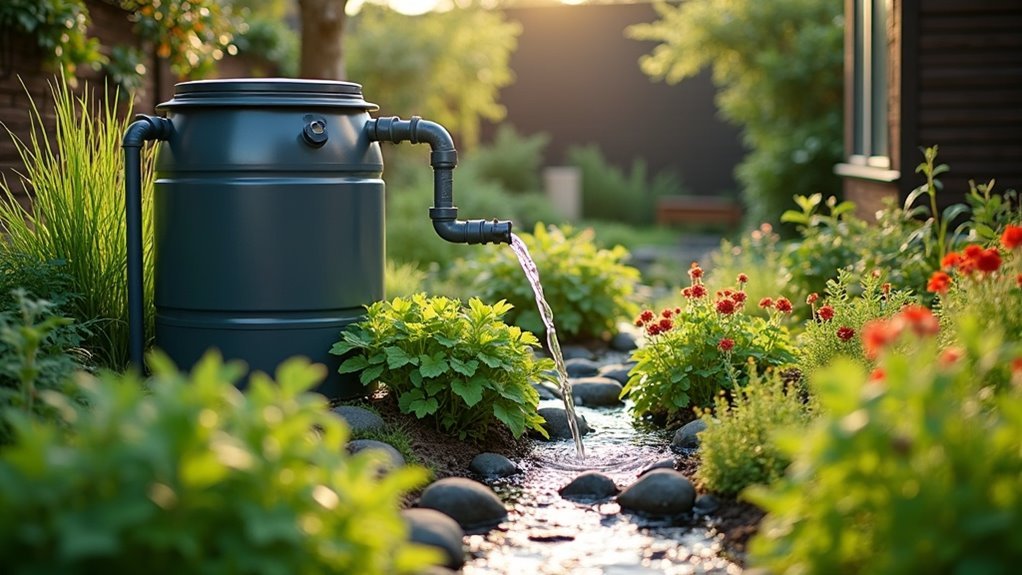
Gray water reuse is a vital technique in survivalism and prepping, where untreated wastewater from sources like sinks, showers, and washing machines is recycled for non-potable uses, such as irrigation and toilet flushing. This practice significantly reduces overall water consumption, which is crucial in emergency situations where water supply may be limited. By easing the burden on sewage systems, gray water reuse helps maintain sanitation in a survival scenario.
Implementing effective gray water systems requires safe practices, proper treatment processes, and an understanding of local regulations, all of which are essential for ensuring health and safety during crises. By adopting these systems, you not only promote water conservation but also enhance your self-sufficiency and resilience in the face of environmental challenges. Learn more about the benefits of gray water reuse and the safe handling practices that can help you prepare for any situation.
Key Takeaways
Gray water reuse is a critical strategy for survivalists and preppers, as it involves treating and repurposing wastewater from sinks, showers, and washing machines for essential non-potable purposes like irrigation and toilet flushing. This type of wastewater constitutes about 65% of household wastewater, making it a valuable resource for water conservation, especially in emergency situations where water supply may be compromised.
By implementing gray water reuse systems, households can significantly reduce overall water consumption by up to 30%, enhancing sustainability and self-sufficiency during crises. It is vital to follow safe practices and comply with local regulations when setting up these systems to ensure effective and responsible reuse. Treatment processes, such as filtration and disinfection, can greatly improve gray water quality, making it suitable for safe reuse applications, thereby fortifying your preparedness efforts.
Understanding Gray Water
Gray water, often overlooked in survivalism and prepping, has a crucial role in sustainable water management. Defined as untreated wastewater from sinks, showers, and washing machines, it excludes toilet waste and kitchen sink water.
Gray water constitutes about 65% of total household wastewater and can be effectively reused for non-potable purposes such as irrigation and toilet flushing, making it a valuable resource during times of crisis. Its lower pathogen levels and organic matter compared to black water make it safer for various applications, which is essential for maintaining hygiene and health in survival situations.
Implementing treatment systems for gray water can significantly enhance water conservation efforts, potentially saving up to 30% of total water usage—an important consideration when resources are limited.
However, it’s crucial to be aware that regulations regarding gray water reuse can vary by region, so ensure compliance with local health standards to safeguard your preparedness efforts.
Sources of Gray Water
While many people mightn’t realize it, a significant portion of household water usage comes from sources that can be classified as gray water, which can be a valuable resource in survival situations.
This gray water primarily originates from everyday household activities, including showers, bathtubs, sinks, and washing machines. In fact, around 39% of your daily water usage can be gray water, which may total about 78 gallons in a typical home.
Laundry contributes the most, generating up to 50% of gray water, followed by showers and sinks. In prepping and survival scenarios, reusing this water can conserve your clean water supply.
Unfortunately, this valuable resource often goes unreused, usually mixed with other wastewater in your plumbing system, limiting its potential for effective reuse in a self-sufficient lifestyle.
Benefits of Gray Water Reuse
Reusing gray water offers numerous benefits that align perfectly with survivalism and prepping principles, enhancing your household’s self-sufficiency and resource management.
By implementing gray water reuse, you can significantly reduce your overall water consumption, which is crucial for long-term sustainability during emergencies or resource shortages. This practice also decreases the volume of wastewater generated, lightening the load on municipal sewage systems and making your household less reliant on public utilities.
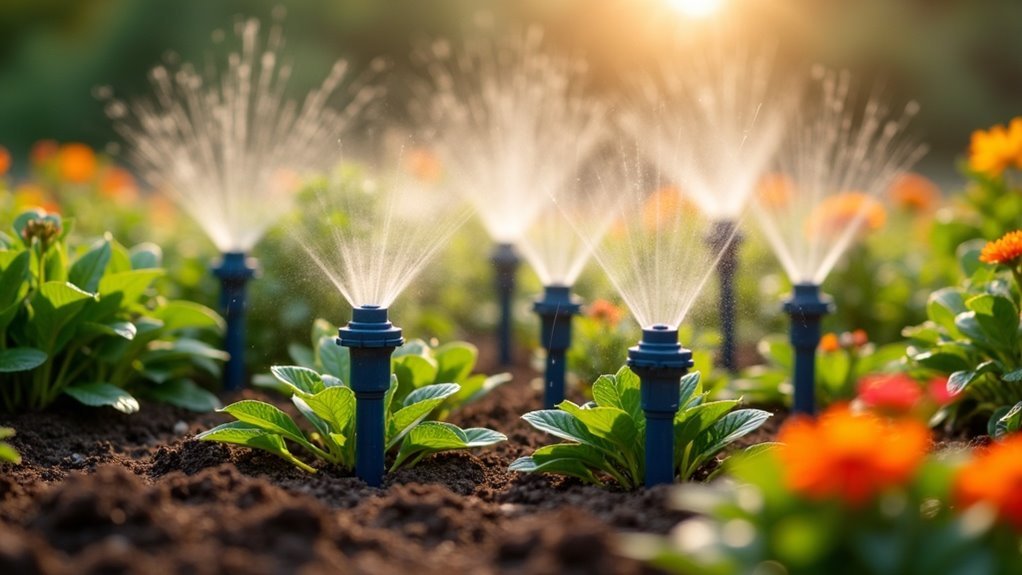
Utilizing gray water in your irrigation system not only nourishes your plants but also helps maintain a productive garden, ensuring a steady food supply even in times of drought or crisis.
Moreover, this approach supports environmental conservation by minimizing freshwater extraction and lessening the energy consumed for treatment and transportation.
Treatment Processes for Gray Water
Effective treatment processes are crucial for ensuring that gray water is safe and suitable for reuse in irrigation and other non-potable applications, especially in a survivalist context.
Initially, settling tanks are used to remove large particles and organic matter, allowing solids to sink for easier management. Aerobic treatment systems can further enhance gray water quality by promoting organic decomposition, which is vital for maintaining hygiene in off-grid living situations.
Filtration systems, including drain and activated charcoal filters, effectively target specific contaminants that could pose health risks. Disinfection methods, such as chlorine and iodine, are essential for eliminating pathogens, although it’s important to note that chlorine’s effectiveness may diminish in environments rich in organic matter, which is often the case in survival scenarios.
Regular maintenance, such as pumping settling tanks every 3 to 5 years and routinely checking filters, is crucial for ensuring the efficiency and safety of your gray water treatment system, enabling you to rely on this resource during emergencies or in long-term off-grid living situations.
Safe Practices for Handling Gray Water
When managing gray water in a survival situation, it’s crucial to implement safe practices to mitigate health risks and ensure effective reuse.
Always utilize gray water within 24 hours to avoid unpleasant odors and the growth of harmful bacteria.
Utilize gray water within 24 hours to prevent odors and harmful bacteria growth.
Steer clear of airtight containers for storage to prevent anaerobic conditions that can lead to dangerous gases.
To limit exposure to pathogens, wear gloves when handling gray water.
Ensure that your gray water plumbing systems are free of leaks to prevent pooling, which can attract pests like mosquitoes and pose contamination risks to your environment.
Cover storage tanks to keep insects at bay while still allowing for ventilation.
Regulations Surrounding Gray Water Use
Though regulations surrounding gray water use can be complex and vary widely by location, understanding them is vital for safe and legal reuse in the context of survivalism and prepping.
Here are key points to take into account:
- In New Mexico, you need permits for gray water systems to prevent health hazards and environmental degradation, which is crucial in a survival scenario.
- California’s plumbing code allows for safe irrigation through recycled water, making it an important resource for sustainable living.
- The Department of Environmental Quality in Wyoming has specific policies for gray water reuse that can be beneficial in emergency preparedness.
- Compliance with regulations like BS8525 in the UK guarantees proper gray water system use, ensuring reliability in non-potable water sources.
Familiarizing yourself with these regulations is important for effective non-potable water use and self-sufficiency in your area.
Practical Applications of Gray Water
You can significantly bolster your survival strategy by incorporating gray water systems for garden irrigation and toilet flushing.
By redirecting about 39% of your household’s water use, you’ll not only cut down on water expenses but also nourish your plants, reducing dependence on municipal water sources during emergencies.
Understanding the practical applications of gray water is crucial for maximizing its benefits and ensuring safe usage in a self-sufficient lifestyle.
Garden Irrigation Benefits
Utilizing greywater for garden irrigation presents valuable benefits for survivalists and preppers, particularly in conserving water resources and enhancing food security.
Here are four key advantages:
- Cost Efficiency: Implementing greywater systems can lead to a significant reduction in water expenses, potentially saving you up to 30% on your household water bill.
- Resource Maximization: With approximately 65% of household wastewater being greywater, you have access to a substantial resource that can be repurposed to support your survival garden.
- Nutrient Enrichment: Greywater supplies essential nutrients to established plants and non-root vegetable crops, reducing reliance on potable water and enhancing your self-sufficiency.
- Sustainable Practices: Adopting a greywater system not only conserves vital water resources but also promotes sustainable management practices that are crucial for long-term preparedness and resilience.
Incorporate greywater irrigation into your survival strategy for a more sustainable and self-reliant approach to gardening!
Toilet Flushing Systems
While many survivalists focus on conserving resources in the wild, integrating gray water systems for toilet flushing can significantly enhance self-sufficiency and sustainability at home. By recycling gray water from showers and washing machines—free from fecal contamination—you can reduce your household water consumption by up to 30%, which is crucial during emergencies or resource shortages. Implementing these flushing systems requires a dedicated plumbing setup to collect and filter used water. Many jurisdictions permit this practice, provided that guidelines are adhered to. Regular maintenance is essential to ensure that the system operates efficiently and minimizes the amount of wastewater sent to treatment facilities, thereby supporting sustainable living practices.
| Aspect | Details |
|---|---|
| Source | Showers, washing machines |
| Water Type | Non-potable applications |
| Potential Savings | Up to 30% reduction in consumption |
| Maintenance Requirements | Regular checks on filtration systems |