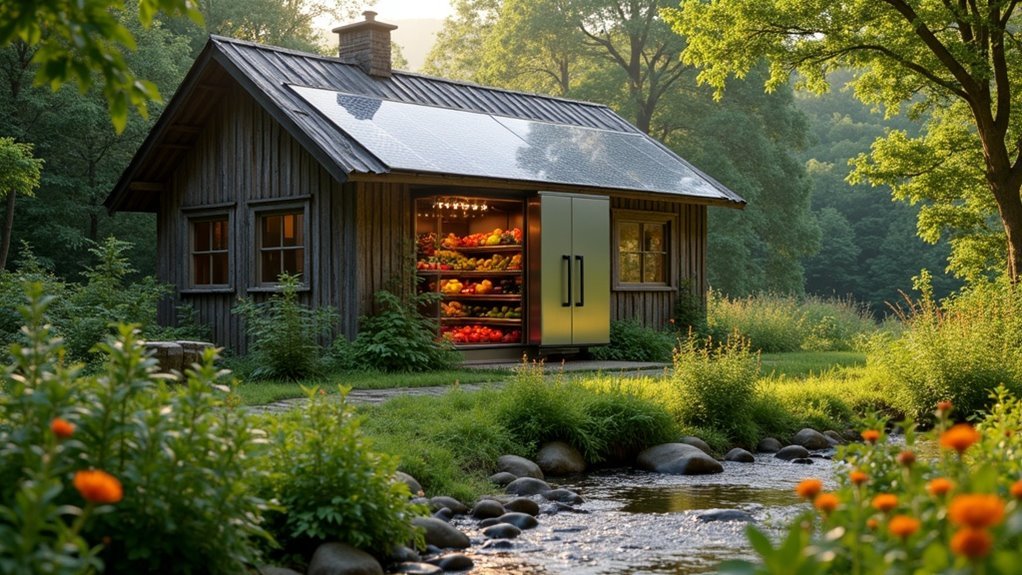
Off-grid refrigeration is an essential self-sufficient solution for food preservation that aligns perfectly with survivalism and prepping philosophies. It eliminates reliance on traditional power sources, utilizing alternative energies such as solar power or propane to keep your food fresh and safe. These systems are designed with thick insulation for maximum energy efficiency, making them ideal for long-term food storage in emergency situations. They come in various models, including converted chest freezers and specialized DC units tailored for off-grid living. By understanding how these refrigerators operate, you can enhance your self-sufficiency and preparedness for any crisis. Dive deeper to explore the available options, power consumption insights, and how to effectively integrate off-grid refrigeration into your survival strategy.
Key Takeaways
- Off-grid refrigeration is essential for survivalists and preppers, operating independently from traditional power sources and utilizing renewable energy sources like solar panels or propane for effective food preservation.
- These units are designed with thick insulation to maximize energy efficiency, minimizing heat transfer and significantly reducing overall energy consumption, which is crucial in survival situations.
- Off-grid refrigerators can be powered by either DC or AC, with DC models being particularly energy-efficient and ideal for solar setups, ensuring that your food stays preserved without drawing on conventional electricity.
- Many preppers opt for converted chest freezers due to their superior insulation and lower energy requirements, often consuming less than 200 watt-hours per day, making them a smart choice for off-grid living.
- In the context of self-sufficiency and preparedness, off-grid refrigeration is vital, enabling you to store food safely without dependence on the electrical grid, which is especially important in emergencies or survival scenarios.
Key Takeaways
When considering off-grid refrigeration for survivalism and prepping, it’s crucial to understand its unique advantages and operational methods. Off-grid refrigerators function independently of grid electricity, often relying on solar power systems to operate.
Their power consumption varies with size—mini models use around 100-200W, while larger units can consume up to 800W. Built with thick insulation, these units are designed to be more energy-efficient than traditional models, requiring less electricity to maintain optimal temperatures.
Furthermore, you can convert energy-efficient chest freezers into refrigerators, capitalizing on their superior insulation and lower energy consumption. Utilizing solar generators, such as the Jackery models, ensures sustainable operation in remote locations, making it an essential consideration for off-grid living and preparedness.
What Is an Off Grid Refrigerator
An off-grid refrigerator is an essential appliance for survivalists and preppers, operating independently from traditional utility power by utilizing alternative energy sources such as solar generators.
These units are engineered with thick insulation and highly efficient cooling methods, which keep energy consumption to a minimum while delivering optimal performance.
For those preparing for self-sufficiency, understanding the various types and power requirements of off-grid refrigerators is crucial for effective energy management and long-term sustainability in any survival situation.
Power Sources Overview
Off-grid refrigerators are essential for survivalists and preppers who seek independence from traditional power sources. These units utilize alternative energy options such as solar generators and propane to fulfill their refrigeration needs. Here’s a concise overview of the power sources available for off-grid refrigeration, ideal for those preparing for emergencies or remote living:
| Power Source | Description | Capacity Range |
|---|---|---|
| Solar Generators | Utilize solar panels to harness renewable energy | 1.2kWh – 24kWh |
| Propane | Provides reliable fuel for efficient cooling systems | Varies by model |
| DC Models | Direct current models known for energy efficiency | 100-800W consumption |
| AC Models | Alternating current options for versatility | 100-800W consumption |
| Converted Freezers | Chest freezers adapted for off-grid use | Varies by model |
Efficiency and Insulation
Understanding the power sources for off-grid refrigeration is crucial for survivalists and preppers looking to maximize efficiency in their preparedness strategies.
Off-grid refrigerators are specifically designed with thick insulation that minimizes heat transfer, significantly enhancing efficiency and reducing energy needs—essential for self-sufficient living. Compact models can operate on just 100-200W, making them suitable for small setups, while larger units may require up to 600-800W, ideal for larger families or extended survival situations.
With high-quality insulation, these refrigerators maintain internal temperatures effectively, running only about 35% of the time. This not only reduces energy consumption but also supports sustainable living practices, allowing for longer food preservation without reliance on traditional electricity sources.
The use of efficient insulation materials further boosts energy efficiency ratings, making them a smart choice for those preparing for any scenario.
Types of Off-Grid Models
Refrigeration technology has significantly advanced to support self-sufficient living, particularly for survivalists and preppers.
Here are various off-grid models designed to meet diverse needs:
- DC-powered models: Highly efficient and ideal for solar setups, though they can come with a higher price tag.
- Energy-efficient AC models: Versatile units that work well with inverters, providing flexibility for different power sources.
- Converted chest freezers: Known for their excellent insulation and lower energy consumption, these are a favored choice for those looking to maximize efficiency.
These off-grid refrigeration options operate independently of conventional electricity, utilizing solar power or propane to keep your food and supplies fresh.
Off-Grid Refrigerator Options
When considering off-grid refrigerator options for survivalism and prepping, you’ll discover a variety of energy-efficient models designed to meet your needs and budget while ensuring food preservation in challenging conditions.
Exploring conversion techniques—such as transforming a chest freezer into a refrigerator—can yield significant energy savings, which is crucial for those preparing for potential emergencies.
Additionally, understanding your power requirements is vital for selecting the right unit, ensuring optimal performance and reliability when it matters most.
Energy-Efficient Models
For those focused on survivalism and prepping, finding efficient off-grid refrigeration solutions is essential for long-term sustainability.
Here are several energy-efficient models that stand out for their practicality and energy savings:
- Compact DC Refrigerators: These models consume between 100-200W for around 4.5 cubic feet of storage, making them ideal for limited spaces and lower power needs—perfect for off-grid living.
- Specialty Models: Brands like Sunfrost and Sun Danzer are specifically designed for off-grid use, offering high efficiency that can withstand the rigors of survival scenarios.
However, be prepared for a higher investment, as these units may range from $2,500 to $3,000.
– Converted Chest Freezers: Utilizing superior insulation, these freezers can consume less than 200 watt-hours per day, providing an excellent alternative for those looking to maximize energy efficiency while ensuring food preservation in a survival situation.
These refrigeration solutions can help you maintain food security while minimizing energy consumption in off-grid environments.
Conversion Techniques
Energy-efficient models provide a reliable foundation for off-grid refrigeration, essential for those committed to survivalism and prepping.
However, exploring conversion techniques can enhance your options significantly. One practical method is transforming an older energy-efficient AC chest freezer into a refrigerator using an external thermostat. This modification not only drastically reduces energy consumption but also optimizes insulation, effectively trapping cold air.
For example, a converted freezer can operate at less than 200 watt-hours per day. With specialty DC models costing as much as $3,000, these budget-friendly conversion techniques offer a strategic alternative for preppers.
Just ensure you assess inverter efficiency and thermostat compatibility for the best results in your preparedness plans.
Off-Grid Refrigerator Power Consumption
Understanding off-grid refrigerator power consumption is crucial for survivalists and preppers aiming for effective energy management in remote living situations.
Effective energy management in off-grid living hinges on understanding refrigerator power consumption for survivalists and preppers.
These units exhibit significant variation in their energy use. Consider the following:
- Standard refrigerators consume between 100 to 800 watts, depending on their size and type, which can impact your overall energy strategy.
- Energy-efficient models, such as DC refrigerators, significantly lower consumption, making them ideal for solar panel systems often utilized in preparedness scenarios.
- A converted chest freezer can operate under 200 watt-hours daily, greatly reducing energy needs and allowing for better resource allocation in off-grid living.
How Do You Power an Off-Grid Refrigerator
How can you effectively power an off-grid refrigerator for your survival needs?
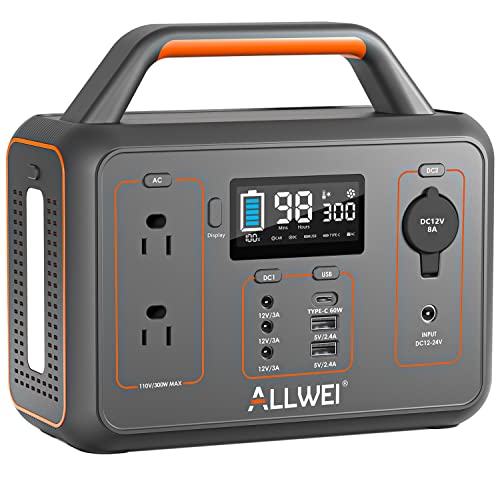
To establish a robust and dependable power system, consider utilizing solar generators such as the Jackery Solar Generator 1000 Plus for smaller fridges and the 2000 Plus for larger freezers. These units are capable of managing the average consumption of 400-600W per hour, ensuring your food stays preserved even in off-grid situations.
Incorporate a charge controller to optimize the capture and use of solar energy, and an inverter to convert DC to AC power, allowing your refrigeration units to operate seamlessly.
It’s also wise to choose energy-efficient DC models, as they significantly reduce overall energy demands, making your off-grid lifestyle more sustainable while maintaining essential food storage.
This approach not only meets your power requirements but also aligns with the values of self-sufficiency and environmental stewardship crucial for prepping and survivalism.
Alternatives to Help You Survive Without Refrigeration
While modern refrigeration offers convenience, there are several effective survival alternatives you can utilize to thrive without it.
Modern refrigeration may be convenient, but many effective survival alternatives can help you thrive without it.
Consider these traditional methods and food preservation techniques that align with survivalism and prepping:
- Root cellars: Harness the natural coolness of the earth for long-term storage of root vegetables and other perishables, ensuring access to fresh produce year-round.
- Fermentation and pickling: Transform your perishable items into shelf-stable foods through these time-honored preservation techniques, enhancing their nutritional value while extending their shelf life.
- Insulated containers: Use insulated coolers and thermal protection along with ice packs to maintain lower temperatures for food storage, crucial for preserving your supplies during emergencies.