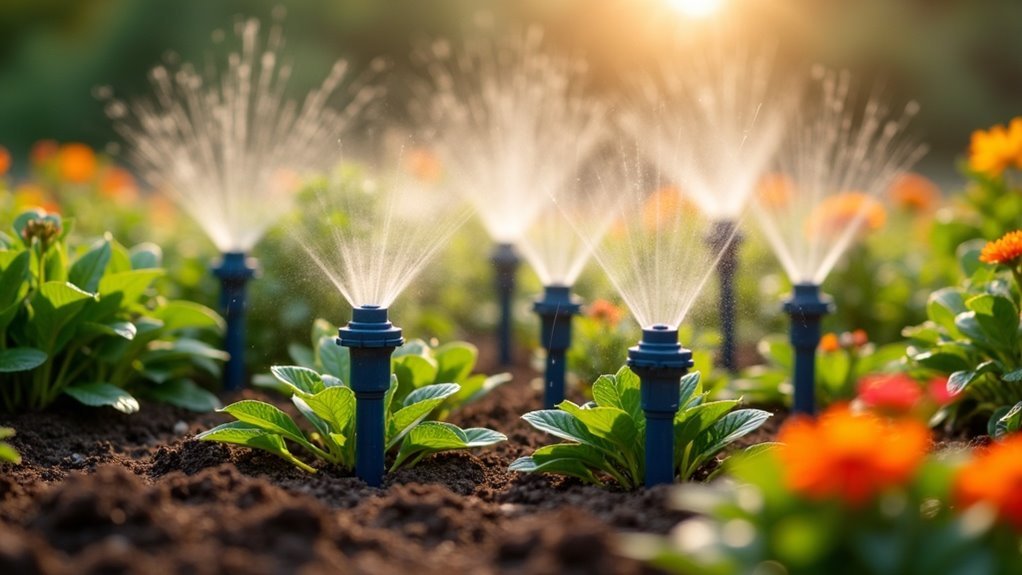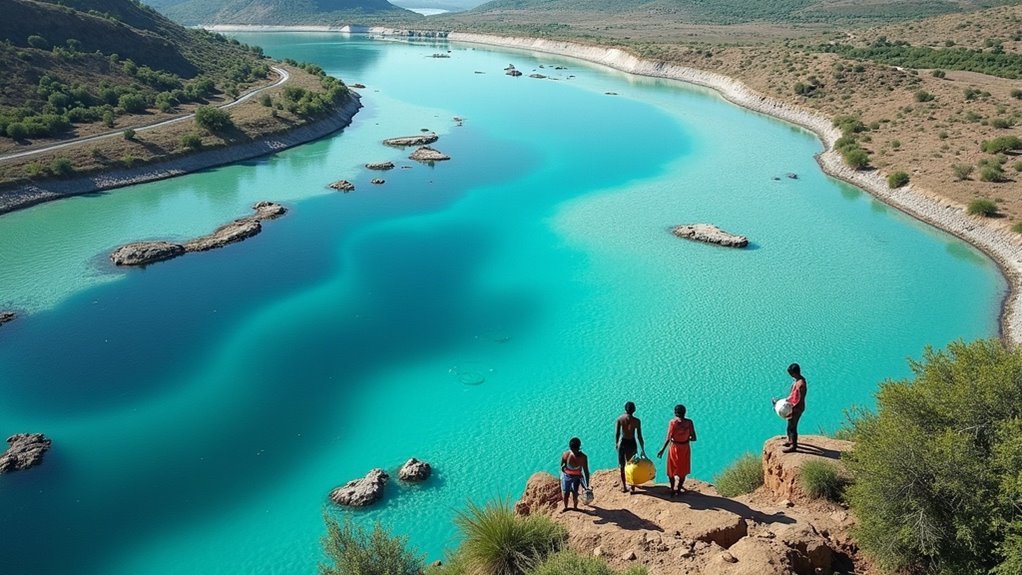
Diversifying water sources is crucial for survivalists and preppers looking to combat the impacts of climate change and ensure reliable access to water in any situation. By reducing dependence on a single water supply, you can minimize risks of contamination and shortages during emergencies. Incorporating alternative sources, such as rainwater harvesting and potable reuse, enhances your preparedness and promotes long-term sustainability in your survival plans. However, managing multiple water systems can present challenges and costs. Understanding these complexities will help you develop effective water management strategies that meet your future survival needs. Dive deeper into the essential aspects of water source diversification for optimal preparedness.
Key Takeaways
- Diversifying water sources is crucial for survivalism, as it reduces dependence on a single supply and enhances resilience against climate change and potential disasters.
- By diversifying, you minimize contamination risks and ensure access to safer water in emergency situations, which is vital for your preparedness plans.
- A varied water supply promotes long-term sustainability and encourages conservation efforts, aligning with the core principles of self-sufficiency in prepping.
- Innovative water management practices, such as rainwater harvesting, are essential strategies supported by source diversification, helping you create a more robust water reserve.
- Engaging with community members is important for developing successful and sustainable water management strategies, enhancing your network of preparedness.
The Importance of Diversifying Water Sources
As climate change increasingly threatens traditional water supplies, diversifying water sources becomes crucial for survivalists and preppers looking to ensure a reliable and clean water supply.
A diversified water supply not only reduces dependence on single sources, like rivers or aquifers, but also minimizes contamination risks, which is vital in emergency situations. By investing in systems such as rainwater harvesting, recycled water, and stormwater capture, you enhance your preparedness and self-sufficiency.
Case studies, like Singapore’s Four Taps strategy, demonstrate that strategic diversification fosters resilience against both droughts and floods, which can disrupt essential supplies.
Ultimately, prioritizing diversified sources strengthens your preparedness infrastructure, mitigates risks, and guarantees a consistent water supply, ensuring that you and your community can thrive in an uncertain climate future.
Challenges of Water Source Diversification
While diversifying water sources is crucial for survival preparedness, it presents several challenges that must be navigated with caution. You need to evaluate:
- Complexity: Managing multiple water systems can lead to unforeseen issues that may compromise your survival strategy.
- Investment: Initial costs for establishing infrastructure and acquiring technology can be substantial, impacting your overall preparedness budget.
- Water Quality: New sources may carry contamination risks, emphasizing the need for thorough testing and filtration to ensure safety.
- Public Resistance: Communities may view alternative sources as inferior, which can hinder widespread acceptance and cooperation in emergency situations.
Confronting these challenges is essential for ensuring that you have access to safe, reliable, and diverse water supplies, ultimately supporting your self-sufficiency and preparedness for any situation.
Environmental Considerations in Water Management
Understanding environmental considerations in water management is crucial for those involved in survivalism and prepping, as it directly impacts the ability to secure a sustainable and resilient water supply. Diversifying water sources not only alleviates pressure on conventional supplies but also fosters ecological stability, which is essential for long-term survival. This approach helps to reduce contamination risks and improves water quality management, critical in emergency situations. Effective collaboration among community members and stakeholders is vital for protecting water sources from pollutants and ensuring that everyone has access to clean water.
| Environmental Aspect | Benefits of Diversification | Challenges |
|---|---|---|
| Strain on Resources | Reduces over-extraction, ensuring availability in crises | Initial costs may deter some preppers |
| Contamination Risk | Enhances quality management, vital for survival | Navigating regulatory compliance can be complex |
| Climate Resilience | Boosts adaptive capacity in changing conditions | Implementation can be logistically challenging |
Strategies for Protecting Water Sources
Securing a reliable water supply is a crucial aspect of survivalism and prepping. To effectively protect your water sources, consider these strategies:
- Collaborate with local authorities and water utilities to establish measures that prevent contamination of your water supply.
- Monitor your water sources regularly to detect emerging contaminants, such as PFAS, that could compromise your water quality.
- Implement best management practices in your land use planning to minimize pollution risks and ensure sustainable water access.
- Engage with fellow preppers and community members to balance property rights with practices that promote sustainable water management for all.
Building a Resilient Water Supply System
To build a resilient water supply system for survival and prepping, prioritize redundancy and constant monitoring.
Implement interconnected components that ensure seamless operation even during failures, which is crucial when resources are limited.
Robust monitoring systems allow for quick detection of issues, ensuring you can address problems before they escalate.
Redundancy in Water Systems
Redundancy in water systems is essential for survivalism and prepping, ensuring a reliable water supply in the face of environmental challenges and potential crises.
To maintain access to clean water during emergencies, consider these key elements:
- Seamless operation during component failures is crucial to minimize service interruptions and ensure you have access to water when needed.
- High detection and instantaneous switching capabilities are vital for quickly responding to disruptions, allowing you to maintain water availability.
- Full interconnectivity among systems enhances overall reliability, ensuring that if one source fails, others can compensate.
- Integrating conventional and unconventional sources creates a diversified water portfolio, providing multiple backup options for your water needs in survival situations.
Importance of Monitoring
While a resilient water supply system is crucial for survivalism and prepping, effective monitoring is an essential element that can’t be overlooked.
Implementing robust monitoring programs allows preppers to track the performance and reliability of diverse water sources, ensuring they’ve access to safe drinking water in times of crisis. This vigilance guarantees compliance with water quality standards and helps identify contamination risks, protecting your health and that of your loved ones.
Continuous data collection supports adaptive management, enabling timely adjustments to address challenges such as droughts or other climate impacts.
Case Study: Durham, NC’s Water Diversification Efforts
Durham, NC has implemented a robust strategy for water diversification that aligns with survivalism principles, ensuring the community is well-prepared for potential droughts and water shortages.
Here are the essential components of their water management plan that can inform your own preparedness efforts:
- Sourcing from Eno and Little Rivers: By tapping into these natural water sources, Durham enhances its supply reliability, a crucial step for those looking to secure water resources in times of crisis.
- Expanding water treatment facilities: As demand grows, the city is investing in its infrastructure to ensure that clean water remains accessible, an important consideration for anyone focused on long-term survival.
- Promoting water conservation: Initiatives to reduce per capita usage not only help the community but serve as a reminder for preppers to practice efficient water use and develop habits that minimize waste.
- Utilizing reclaimed water: This approach for irrigation and industrial processes highlights the importance of recycling resources, a vital strategy for those preparing for self-sufficiency and resilience in challenging situations.
Future Directions in Water Resource Management
Water resource management in survivalism is crucial for ensuring self-sufficiency and resilience in times of crisis. Embracing a diversified approach, as demonstrated by successful case studies like Durham, NC, can provide valuable lessons.
By developing a robust water supply strategy that includes conservation, rainwater harvesting, and greywater recycling, you can enhance your preparedness against climate impacts and potential water shortages. Investing in personal water infrastructure, similar to initiatives in California, reflects a commitment to long-term sustainability.
Developing a comprehensive water supply strategy enhances preparedness for climate impacts and promotes long-term sustainability through conservation and innovative practices.
Moreover, understanding and implementing potable water reuse strategies can be vital for effective resource management during emergencies. Exploring projects like the Cadiz Valley initiative shows how private investment in water resources can supplement your supplies.
Utilizing a water reliance index will help you measure and adapt to changing demands, ensuring that you’re well-prepared for any future challenges in water resource management.