Yes, children will remember evacuation routes better with practice, especially in the context of survivalism and prepping. Consistent drills help transform unfamiliar procedures into instinctive responses, which is crucial for reducing panic during emergencies. Tailoring these activities to suit their age keeps them engaged, making the learning process both educational and enjoyable. By incorporating fun elements, you’ll see increased recall and confidence in their ability to respond to potential crises. Strengthening their memory will build their resilience, ensuring they’re better prepared to navigate emergencies when it matters most. There’s much more to learn about effective strategies for emergency preparedness and survival techniques.
Key Takeaways
- Regular practice of evacuation routes is essential for children to become familiar with them, significantly increasing their ability to recall the paths during emergencies.
- Repetition converts unfamiliar procedures into instinctive responses, which enhances memory retention among children, a crucial skill in survival situations.
- Engaging drills and activities not only make learning enjoyable but also improve children’s understanding and recall of evacuation procedures, which is vital in a prepping mindset.
- Tailoring drills to different age groups ensures that children grasp the importance of these routes, fostering better retention and preparedness for potential emergencies.
- Frequent reviews and active family involvement reinforce memory and build confidence in children regarding their emergency responses, making them better equipped for survival scenarios.
The Role of Practice in Emergency Preparedness
When it comes to emergency preparedness, practicing evacuation routes is crucial for everyone, especially children. Regular practice drills significantly enhance their familiarity with these routes, enabling them to recall procedures effectively during real emergencies.
Consistent drills help children respond calmly and appropriately, reducing panic when it matters most. Providing developmentally appropriate explanations helps them understand the importance of these routes, making retention easier.
Additionally, incorporating sensory elements like alarms and visual cues reinforces memory retention. Research shows that frequent drills not only improve information retrieval but also contribute to a child’s overall sense of security during emergencies, which is essential for fostering resilience and preparedness in a survivalist mindset.
Engaging Children in Evacuation Drills
Engaging children in evacuation drills is crucial for equipping them with the skills and confidence needed to respond effectively in emergencies.
By integrating survival skills into these drills, such as practicing safe routes and identifying meeting points, you can make the experience both educational and enjoyable.
Incorporating interactive activities like songs or games can further enhance their understanding of evacuation procedures while instilling a sense of preparedness.
When children actively participate, they not only learn vital survival strategies but also build resilience and self-assurance, ensuring they’re ready to handle real-life situations when they arise.
Importance of Repetition
Repetition plays a crucial role in helping kids understand evacuation routes, transforming unfamiliar procedures into instinctive responses.
By engaging them in regular practice drills, you’re not only reinforcing their memory but also instilling a sense of confidence in their ability to respond to emergencies. Research indicates that children who regularly participate in these drills have a significantly better recall of evacuation procedures compared to those who do not.
By providing age-appropriate explanations, you help kids grasp the importance of these routes, making the experience less daunting. Involving them in the planning process fosters a sense of ownership, which further enhances their memory retention.
Ultimately, consistent practice is key to ensuring that, in a survival situation, your child can navigate safely and effectively, equipping them with vital skills for preparedness.
Incorporating Fun Activities
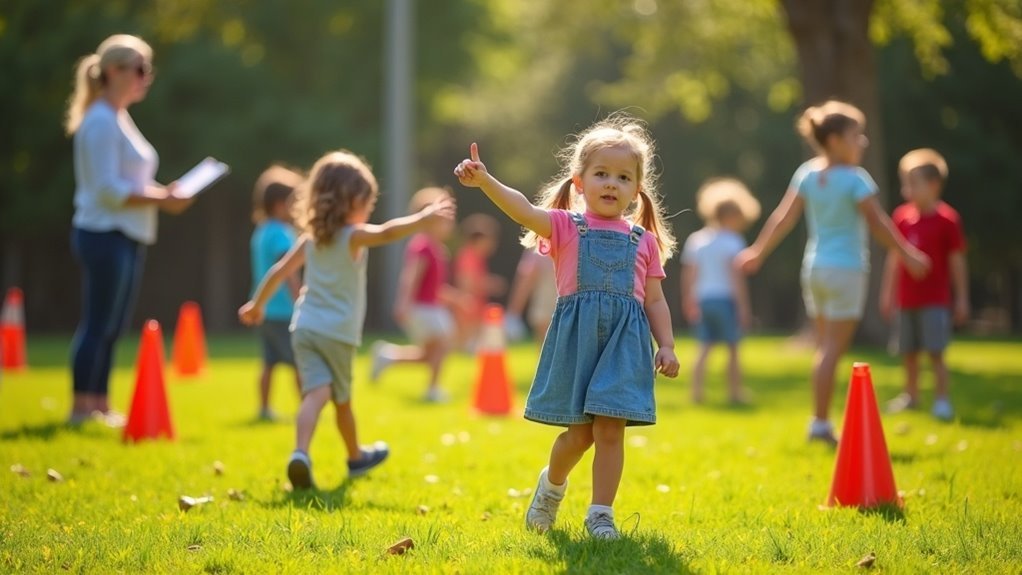
Making evacuation drills enjoyable can greatly enhance children‘s understanding and retention of safety procedures, especially in the context of survivalism and prepping. By incorporating songs and games, you can engage children, transforming a potentially stressful experience into a valuable learning opportunity.
Role-playing scenarios allow them to act out evacuation routes and survival tactics, solidifying their knowledge while reducing anxiety. Utilizing sensory elements like alarms or visual aids can familiarize them with emergency situations, making the experience more realistic and relevant to a prepping mindset.
Additionally, involving children in assembling emergency supply kits fosters a sense of ownership over their safety. This hands-on experience reinforces their understanding of evacuation procedures and survival skills.
This approach not only educates but also empowers them to be proactive and resourceful during emergencies.
Developmentally Appropriate Explanations for Young Learners
When teaching young learners about evacuation routes in the context of survivalism and prepping, it’s essential to use developmentally appropriate explanations that align with their understanding.
Here are some effective strategies:
- Use simple, relatable language to explain why knowing evacuation routes is important for safety during emergencies.
- Incorporate visuals like maps or diagrams to help them visualize the routes and understand where to go.
- Engage children with play-based activities, such as role-playing different scenarios, to make learning enjoyable and practical.
- Encourage discussions with peers and family about what they’ve learned during practice drills to reinforce their understanding.
These methods not only simplify complex concepts but also help children feel more prepared and confident in their ability to navigate emergency situations, fostering a sense of safety and awareness.
Tailoring Drills for Different Age Groups
When planning evacuation drills for survivalism and prepping, it’s crucial to consider the distinct needs of each age group to ensure they understand the concepts effectively.
Younger children might respond better to engaging activities and hands-on experiences that emphasize the importance of safety and preparedness. In contrast, older children can engage in more in-depth discussions about survival strategies and emergency protocols.
Age-Appropriate Drill Techniques
Tailoring evacuation drills to fit the developmental stages of children is essential for their understanding and retention of safety procedures, especially in the context of survivalism and prepping. Here are some age-appropriate techniques:
- Infants & Toddlers: Use comfort items and positive interactions to ease anxiety during practice drills, ensuring they feel secure in unfamiliar situations.
- Preschoolers: Incorporate sensory elements like alarms and use songs about emergency procedures for engagement, making the concept of safety more relatable and fun.
- Early School Age: Simplify explanations and emphasize fun activities that demonstrate the evacuation plan, instilling the basics of preparedness in an enjoyable way.
- Older Children: Hold discussions post-drill to evaluate their understanding, reinforcing the importance of practice drills for their safety, survival skills, and overall wellbeing in emergency situations.
Engaging Learning Methods
Understanding how to engage children during evacuation drills is crucial in the context of survivalism and prepping, as it directly impacts their ability to remember and execute safety procedures in real emergencies.
Utilizing engaging learning methods tailored to different age groups can significantly enhance their preparedness. For younger kids, incorporating survival-themed songs or rhymes can make learning evacuation routes fun and memorable.
Older children benefit from discussions about local disasters and emergency preparedness, connecting practice drills to real-world scenarios they may face.
Adding sensory elements, like alarms during drills or the use of survival gear, creates immersive experiences that enhance recall and understanding.
Incorporating Play and Interactive Activities
Incorporating play and interactive activities into evacuation training is a vital strategy for families and communities focused on survivalism and prepping. Not only does it make the learning process enjoyable for children, but it also enhances their understanding of essential emergency procedures.
Here are some engaging ideas to consider:
- Role-playing evacuation scenarios to reinforce routes and build confidence in decision-making during emergencies.
- Interactive games that simulate various emergency situations, allowing children to practice procedures in a fun and engaging way.
- Utilizing visual aids like maps and diagrams during play to improve spatial awareness and route memorization.
- Creating songs or chants that outline evacuation steps, making it easier for children to remember critical information.
These enjoyable activities can significantly reduce anxiety and help children become more familiar with evacuation routes, ensuring they’re well-prepared in a real emergency situation.
The Importance of Regular Review and Reinforcement
While it may seem tedious, regularly reviewing and reinforcing evacuation routes is crucial for your child’s safety and confidence in emergency situations. Consistent practice not only helps them internalize the necessary steps but also improves memory retention through repetition. To make this learning process engaging and effective, consider incorporating enjoyable activities that resonate with the survivalist mindset.
| Activity Type | Purpose |
|---|---|
| Drills | Reinforce memory of evacuation routes and survival skills |
| Games | Engage children in preparedness concepts for better retention |
| Positive Feedback | Boost confidence while fostering a proactive approach to safety |
Involving Families in Emergency Preparedness
Engaging families in emergency preparedness is crucial for enhancing a child’s ability to navigate unforeseen circumstances effectively. When families actively participate, it promotes understanding and alleviates anxiety during emergencies.
Here are four strategies to involve families in survivalism and prepping:
- Maintain regular communication about emergency plans and survival drills to emphasize their significance in preparedness.
- Provide detailed information on local natural disasters and optimal evacuation routes to ensure tailored and effective plans.
- Offer resources such as comprehensive checklists for assembling emergency kits, empowering families to take proactive measures for survival.
- Encourage the practice of drills that foster community collaboration, aiding children’s development in remembering evacuation processes through shared experiences and reinforcing the importance of being prepared.
Strategies for Building Confidence and Reducing Anxiety
Building confidence and reducing anxiety in children during emergencies is essential in the realm of survivalism and prepping. Intentional strategies can make this learning process both effective and enjoyable. Regular practice drills familiarize them with evacuation routes, while incorporating songs and sensory elements keeps it engaging for young minds. Teaching self-calming techniques, such as deep breathing and visualization, can further mitigate anxiety and enhance their focus during critical situations. Discussing local natural disasters and potential survival scenarios helps to contextualize these routes and prepares them for real-life situations. Finally, conducting post-drill evaluations allows children to express their feelings and thoughts, reinforcing their learning and building resilience.
| Strategy | Purpose | Benefits |
|---|---|---|
| Practice Drills | Familiarity with evacuation routes | Increases recall during emergencies |
| Self-Calming Techniques | Manage anxiety | Enhances focus on procedures |
| Engaging Activities | Make learning enjoyable and memorable | Reinforces understanding |
| Contextual Discussions | Relate to real-life survival scenarios | Makes routes relatable and applicable |
| Post-Drill Evaluations | Process experiences and feelings | Solidifies knowledge and builds resilience |