Homeowners insurance can cover food spoilage after blackouts, particularly if the outage results from a peril listed in your policy. Generally, you might receive between $500 and $2,500 for losses, depending on your coverage limits. However, as survivalists and preppers know, relying solely on insurance can leave you vulnerable. It’s crucial to maintain a well-stocked pantry and invest in alternative power solutions, like generators or solar backups, to mitigate food spoilage risks. To file a claim, accurate documentation is necessary, including photos and receipts of the spoiled items. Understanding your policy’s specific terms is essential, as exclusions may apply. Staying informed about these details can help safeguard your food supplies and enhance your preparedness for future disruptions.
Key Takeaways
- Homeowners insurance may cover food spoilage from power outages if caused by a covered peril such as storms or fires, which is important for those preparing for emergencies.
- Reimbursement limits for food spoilage typically range from $500 to $2,500, depending on the specifics of your policy, making it essential to know your coverage as part of your survival plan.
- Proper documentation, including photos, a detailed list of spoiled items, and receipts, is crucial for filing a claim, emphasizing the need for meticulous record-keeping in your preparedness strategy.
- Coverage usually applies to perishable items like dairy and meats, but may exclude dry goods and canned foods, so it’s wise to stock up on the right types of food for long-term storage.
- Timely reporting of the outage and adherence to claim filing timelines are vital for successful processing, highlighting the importance of quick action in emergency situations.
Understanding Homeowners Insurance Coverage for Food Spoilage
When your power goes out due to a covered peril, understanding how homeowners insurance addresses food spoilage can be crucial for survivalists and preppers looking to safeguard their food supplies.
Most homeowners insurance policies provide coverage for food spoilage resulting from power outages, with reimbursement limits typically ranging from $500 to $2,500.
To effectively file a claim for lost food, it’s essential to meticulously document your items with photos, a comprehensive list, and receipts.
While coverage for food spoilage mainly includes refrigerated and frozen goods, it’s important to note that dry items may be excluded from this coverage.
For those seeking to bolster their protection, consider additional options like equipment breakdown coverage, which can significantly enhance your reimbursement potential and help you maintain your preparedness in the face of unforeseen events.
Conditions for Coverage During Power Outages
Understanding the conditions under which homeowners insurance covers food spoilage during power outages is essential for preppers and survivalists concerned about potential losses.
Typically, coverage applies only if the outage is caused by a covered peril, such as storms or fires. It’s important to be aware of the coverage limits, which often range from $500 to $2,500, as well as any exclusions for outages resulting from maintenance issues or flooding.
To effectively file a claim, ensure you follow your insurer’s timeline and provide thorough documentation, including photographs and receipts.
Reviewing your policy’s specific terms will help clarify what’s covered and any applicable deductibles, enabling you to better prepare for unexpected challenges.
Filing a Claim for Food Loss
When you file a claim for food loss due to spoilage, accurate documentation is essential to ensure you’re prepared for any emergencies.
Gather photos of the spoiled items, create a detailed list of what was lost, and collect any receipts to support your claim.
After preparing your documentation, contact your insurance provider to initiate the submission process, making sure to meet any necessary deadlines.
This will help you stay on track in maintaining your food storage and preparedness for future situations.
Claim Documentation Requirements
To effectively file a claim for food spoilage due to a blackout, especially in the context of survivalism and prepping, it’s crucial to meticulously document your loss.
Start by taking photographs of the spoiled items and create a detailed inventory of what’s affected. Receipts are essential for substantiating your claim, but if they’re unavailable, bank statements can suffice.
Most homeowners insurance policies require prompt submission after the power outage, so act quickly to ensure your preparedness plan remains intact.
Be ready to provide estimates for lost food and any documentation showing the cause of the outage, as this information can help strengthen your case.
Finally, follow up with your insurance provider to ensure your claim is processed and to clarify any additional requirements that align with your preparedness strategies.
Submission Process Steps
After documenting your losses, the next step in your survival plan is to initiate the submission process for your claim regarding food spoilage.
It’s crucial to contact your homeowners insurance provider promptly after the power outage, as you may need to replace essential supplies.
Prepare thorough documentation, including photographs of the spoiled food, a detailed list of lost items, and receipts or proof of purchase to bolster your claim.
You can submit claims online or through local agents, but make sure to follow your insurer’s specific guidelines closely.
Be mindful of the claims submission timeframe; delays may jeopardize your coverage and hinder your preparedness efforts.
If you lack receipts, estimate costs and be ready to justify these figures to support your claim effectively, ensuring you can restock your emergency supplies.
Types of Food Typically Covered
Understanding which types of food are typically covered under homeowners insurance can be important for survivalists and preppers looking to protect their food stockpiles.
Typically, coverage applies to perishable items, including dairy products like milk and cheese, meats such as chicken and beef, and frozen foods like ice cream and popsicles.
Coverage generally includes perishable items like dairy, meats, and frozen foods, ensuring protection for your essential supplies.
However, staples that are crucial for long-term preparedness, like dry goods (flour, rice, and beans) and canned foods, often aren’t covered.
Most policies offer compensation limits for food spoilage, ranging from $500 to $2,500.
To ensure a smooth claims process, it’s essential to document your losses with photographs and receipts, as this information supports your claim for spoiled food.
As you build your food reserves for emergencies, be aware of your insurance policy’s limitations to better protect your investments.
Exclusions and Limitations in Food Spoilage Claims
When preparing for food spoilage scenarios, it’s crucial to recognize that coverage can be limited to specific risks outlined in your survival plan.
Natural disasters, such as floods, may result in exclusions that could leave you unprepared for the loss of food supplies.
Moreover, any reimbursement or recovery efforts may have limitations, so understanding these constraints can help you better manage your resources and expectations in a survival situation.
Covered Perils Only
While homeowners insurance can provide coverage for food spoilage, it’s crucial to understand that this protection is limited to specific perils. Coverage typically applies to power outages resulting from named perils like lightning or windstorms, which can be relevant for preppers stocking up on food supplies.
However, outages caused by utility failures or maintenance issues are often excluded. Additionally, be aware that flooding, earthquakes, or neglect—such as unpaid utility bills—are not covered.
The reimbursement amount can vary significantly, with some policies covering as little as $250, while others may offer up to $2,500. It’s important to consider deductibles, as they may differ from your standard coverage and impact the total compensation for your food spoilage claim.
As a prepper, ensuring you have a solid plan for food preservation and protection against spoilage is essential in the face of potential emergencies.
Exclusion of Natural Disasters
Natural disasters can pose significant challenges for homeowners, especially when it comes to food preservation. Many survivalists and preppers understand the importance of being prepared, but it’s crucial to know that traditional homeowners’ insurance may not cover food spoilage resulting from power outages caused by natural disasters. Typically, these outages—like those from floods or earthquakes—are excluded from coverage, which means you could face unexpected losses. Here’s a breakdown of how different causes of power outages affect your coverage:
| Cause of Power Outage | Coverage Status | Notes |
|---|---|---|
| Natural Disaster | Excluded | Floods and earthquakes not covered |
| Named Peril (e.g., Storm) | Covered | Food spoilage may qualify under specific conditions |
| Negligence (e.g., Bills) | Excluded | No coverage for negligence |
Tips for Preventing Food Loss During Outages
To effectively prevent food loss during outages and ensure your preparedness, it’s crucial to implement strategies that safeguard your food supply.
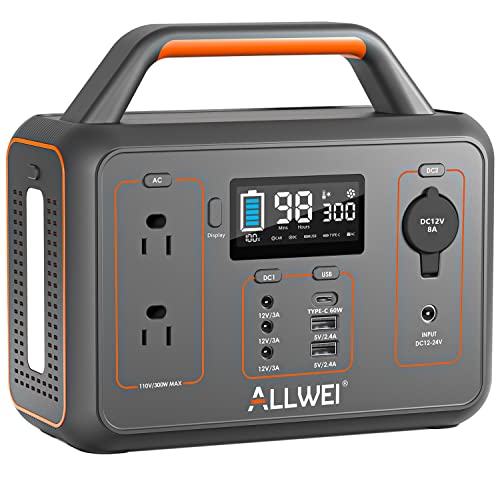
Begin by investing in a reliable backup power source, such as a generator or solar power system, to keep your refrigerator operational during power outages and minimize food spoilage. Stock up on non-perishable food items, like canned goods and freeze-dried meals, to reduce your reliance on refrigeration and ensure you have sustenance during emergencies.
Invest in a backup power source and stock up on non-perishable foods to safeguard against outages and minimize spoilage.
Regularly monitor your refrigerator’s temperature using a thermometer, and be sure to discard any food that has been above 40°F for more than two hours.
Organize your refrigerator for optimal airflow, and maintain a detailed inventory of perishable items. This inventory not only helps you keep track of what you have, but it also assists in documenting any losses for insurance claims should spoilage occur.