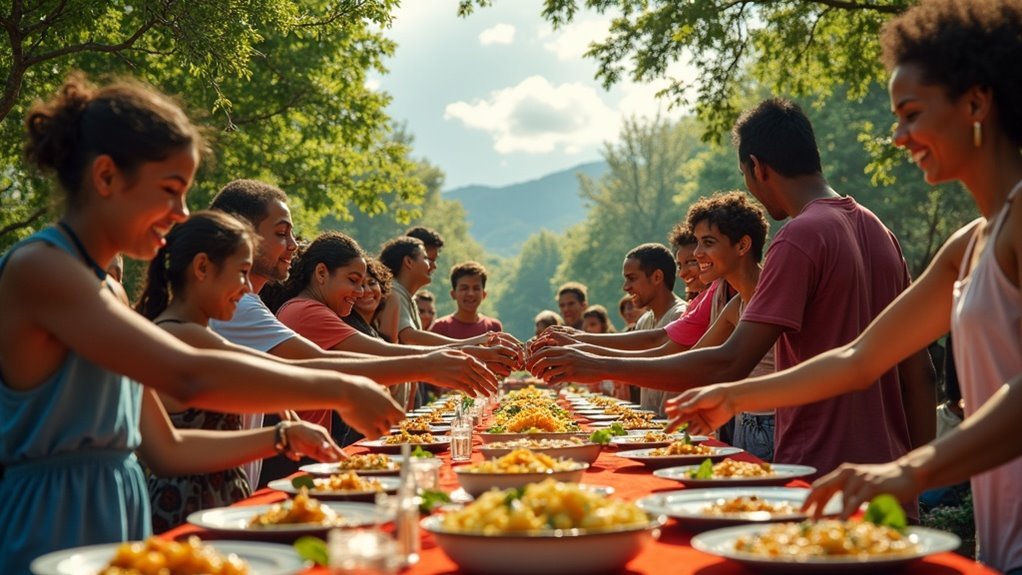
During extended crises, neighbors often come together, relying on strong social ties and mutual aid networks to enhance their collective response. For survivalists and preppers, this cooperation is crucial, as it improves resource mobilization and increases community resilience. Studies show that communities with preparedness plans and supportive neighbors not only fare better during emergencies but also have lower mortality rates. Historical data indicates that those with engaged and proactive neighbors experience improved recovery outcomes. By fostering strong relationships and sharing survival strategies, you can enhance your community’s readiness for future challenges. Explore effective approaches to build these essential connections and ensure you are all prepared for any situation.
Key Takeaways
- Strong community ties significantly enhance cooperation among neighbors during extended crises, which is crucial for effective resource mobilization and support in survival situations.
- In response to prolonged emergencies, mutual aid networks often form, allowing individuals to share essential resources and skills vital for preparedness.
- Historical data shows that communities with strong social connections tend to recover more effectively and experience lower mortality rates during crises, underscoring the importance of building a survival-oriented community.
- Regular neighborhood meetings focused on emergency preparedness not only foster collaboration but also strengthen relationships, ultimately enhancing the collective response to disasters.
- Technology, including survival apps and social media platforms, can greatly facilitate communication and coordination among neighbors, thereby promoting cooperation and preparedness during extended crises.
The Role of Community in Disaster Response
When disasters strike, the survival of communities often hinges on their collective strength and preparedness. Studies indicate that a significant 77% of rescues during landslides are conducted by neighbors, underscoring the importance of local support systems in survival scenarios.
For instance, during Hurricane Helene, proactive community members initiated their own recovery efforts long before formal aid arrived, demonstrating the value of being prepared. Historical events, such as the 1995 Kobe earthquake, highlight how robust community ties can facilitate rapid mobilization of resources in times of crisis.
Isolation can lead to increased mortality rates, emphasizing the necessity of neighborly support. By actively engaging in local preparedness groups and survival organizations, individuals can enhance their own readiness and resilience, fostering mutual aid that ultimately improves disaster response outcomes for everyone involved.
Embracing a survivalist mindset equips communities to handle emergencies more effectively.
Grassroots Initiatives and Mutual Aid
The strength of community ties is crucial not only for enhancing disaster response but also for cultivating grassroots initiatives, such as mutual aid networks, which are vital during extended crises.
In scenarios like the COVID-19 pandemic, many local groups have organized community meetings to coordinate essential services like grocery deliveries and provide emotional support. This demonstrates how mutual aid functions as a key component of social infrastructure, especially for those who prioritize self-sufficiency and preparedness.
Research indicates that communities with robust social connections are better equipped to mobilize during disasters. By utilizing technology and social media, these grassroots initiatives can efficiently disseminate resources and information, ensuring that neighbors are well-prepared to support each other in times of need.
The Impact of Social Connections on Recovery
While many factors influence recovery after a crisis, strong social connections stand out as a critical component that can profoundly impact survival outcomes.
In survival situations, communities with robust social networks often see lower mortality rates and more effective recovery efforts. Research reveals that 77% of rescues during landslides come from neighbors, highlighting the importance of local support in emergency scenarios.
Historical data, like that from the 2004 tsunami and the 1995 Kobe earthquake, shows that individuals with strong community ties are better prepared and fare better in the aftermath of disasters.
Engaging in local preparedness groups and survival organizations not only strengthens these connections but also enhances resilience, ultimately leading to a more effective recovery process when facing crises.
Technology as a Tool for Support
As communities prepare for potential crises, utilizing technology is crucial in enhancing support and coordination among survivalists and preppers.
Here are some ways technology bolsters community resilience in the face of emergencies:
- Real-time communication: Survival apps provide instant updates on local needs and resource availability.
- Resource sharing: Online forums and platforms enable preppers to exchange supplies, tools, and assistance.
- Fundraising platforms: Crowdfunding sites can mobilize financial support for essential survival resources during urgent situations.
- Social media campaigns: These can quickly rally individuals, as demonstrated in recent disaster responses like the Australian bushfires.
- Solidarity fostering: Digital connections strengthen community ties, which are vital for a collective response and mutual aid during emergencies.
Case Studies: Successful Community Cooperation
You’ll find that community responses during disasters often highlight the remarkable capacity for cooperation among neighbors, which is essential for survivalism and prepping.
For instance, after Hurricane Helene, residents in Marshall quickly organized aid efforts, showcasing the importance of local preparedness and resource sharing.
Additionally, mutual aid networks during the COVID-19 pandemic demonstrated grassroots support in delivering essentials, reinforcing the value of community connections in ensuring resilience.
These case studies not only reflect effective responses but also emphasize how meaningful relationships can be cultivated in times of crisis, ultimately enhancing our collective ability to survive and thrive.
Community Response During Disasters
Community response during disasters often reveals the strength and resilience found within neighborhoods, especially in the context of survivalism and prepping. When natural disasters strike, individuals and families who are prepared often rally together, showcasing their ability to support one another effectively.
- After Hurricane Helene, resourceful Marshall residents set up aid stations, demonstrating the importance of community preparedness.
- The 2004 Indian Ocean tsunami underscored the recovery benefits that come from strong social ties and pre-established networks.
- During Winter Storm Uri, well-prepared volunteers stepped in to assist neighbors when government aid lagged, highlighting the value of community readiness.
- Occupy Sandy organized local efforts after Superstorm Sandy, proving that grassroots mobilization can enhance community resilience.
- Research indicates that neighbors conduct 77% of rescues during landslides, underscoring the critical role of local preparedness and cooperation.
These examples illustrate how proactive planning and working together can greatly enhance recovery efforts and fortify community strength during crises.
Mutual Aid Success Stories
The ability of communities to unite during crises is vividly illustrated through inspiring examples of mutual aid success stories, particularly relevant for those interested in survivalism and prepping.
During Winter Storm Uri, proactive individuals like Susana Edith organized volunteers to deliver food and warm clothing to those in need, effectively filling gaps left by unresponsive government support.
After Superstorm Sandy, groups such as Occupy Sandy quickly mobilized resources for affected neighborhoods, demonstrating the power of organized preparedness and community cooperation.
Similarly, in the aftermath of the Grenfell Tower fire, local volunteers provided shelter and essential supplies, exemplifying the strength of community solidarity in times of disaster.
These instances underscore the value of mutual aid networks in enhancing resilience and recovery, highlighting the critical importance of strong community ties and preparedness strategies during crises.
Building Resilience Through Collective Action
When crises hit, your survival skills and social connections can make a significant difference in recovery outcomes.
Communities that actively engage in collective action, such as forming local prepper networks or grassroots survival organizations, often see improved resilience through mutual support and resource sharing.
Importance of Social Connections
Strong social connections within neighborhoods can play a crucial role in how effectively you and your fellow survivalists navigate crises. When community bonds are robust, you’re more likely to receive immediate assistance and resources during emergencies.
Here are some key benefits of cultivating social ties in a prepping context:
- Enhanced emergency preparedness through shared survival knowledge and skills
- Increased likelihood of receiving help and essential supplies during disasters
- Improved recovery outcomes facilitated by collective contributions and resources
- Lower mortality rates during emergencies, as supported by survival studies
- Strengthened relationships fostered through neighborhood preparedness events and training sessions
Building a solid network of like-minded individuals can greatly bolster your readiness for any crisis.
Community-Led Recovery Efforts
While individual preparedness is crucial during emergencies, community-led recovery initiatives can significantly enhance resilience and ensure a more comprehensive response.
Research indicates that strong social networks within your community greatly improve survival outcomes. In the aftermath of disasters like Hurricane Helene, neighbors quickly organized to set up aid stations and clear debris.
Similarly, during the COVID-19 pandemic, mutual aid networks showcased how collective action can effectively provide essential resources and services, such as food and medical supplies.
Investing in community preparedness and social infrastructure strengthens these connections, ensuring that when crises occur, your community is equipped to support each other and rebuild together, ultimately leading to a more robust recovery and enhanced survival for all.
Strengthening Local Networks
Building local networks is crucial for enhancing community resilience during crises, particularly in the realm of survivalism and prepping.
When you and your neighbors collaborate, strong social ties can significantly improve recovery outcomes.
Here are important strategies to strengthen these networks:
- Organize regular neighborhood meetings focused on survival strategies and preparedness planning
- Create mutual aid groups to share essential resources, tools, and skills for self-sufficiency
- Engage in community events that promote survival skills and emergency response training
- Invest in social infrastructure like community gardens and resource centers to bolster local preparedness
- Share local knowledge and skills for disaster preparedness, including food preservation, first aid, and emergency communication